

Zyphe
Zyphe is KYC compliance software for decentralized identity verification, KYB checks, and AML screening—verify once and reuse credentials.
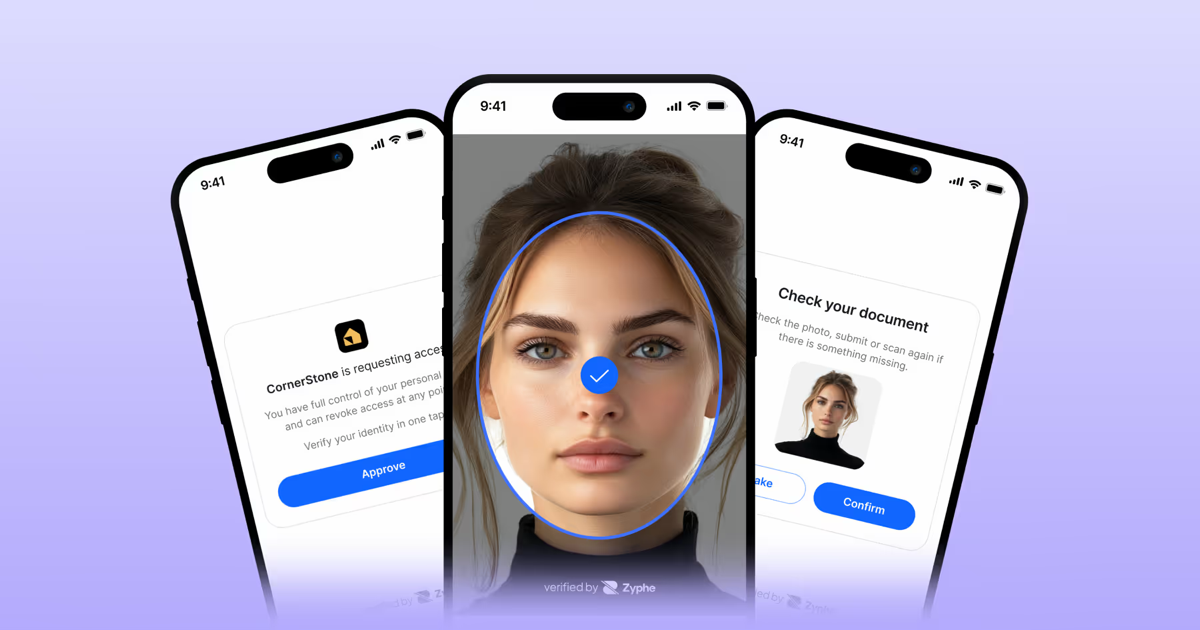
What is Zyphe?
Zyphe is a KYC compliance software platform for decentralized identity verification, KYB checks, and AML screening. It enables teams and AI agents to run identity and document checks while claiming a privacy-first approach that avoids storing personal data on Zyphe’s servers.
The platform is designed so users can verify once and reuse credentials across services that use Zyphe, aiming to reduce repeated onboarding and streamline compliance workflows.
Key Features
- Single API for KYC, KYB, and AML checks: Run identity, business (KYB), and AML screening through one interface.
- Global verification coverage: Perform checks across 190+ countries via a unified API.
- Store-nothing personal data approach: The site states that personal data “never hits” Zyphe’s servers, using decentralized storage and a zero-knowledge architecture.
- One-time verification with reusable credentials: Users verify once and reuse their credentials across platforms that integrate Zyphe, reducing repeat submission.
- Decentralized infrastructure and data placement: Zyphe describes distributing infrastructure and data retention across a global, independent network rather than relying on a single centralized authority.
- Developer-focused integration options: The site shows an example API call and mentions APIs and SDKs, plus no-code verification links.
- Workflow options: The platform can support a customized IDV workflow or preset flows (as described on the page).
How to Use Zyphe
- Get started by integrating Zyphe into your onboarding or verification flow (via API/SDK or no-code verification link).
- Send verification requests to Zyphe using your API key (the page provides an example
POSTrequest to a/v1/login_sessionsendpoint with anauth_typevalue). - Collect verification results within your application using the returned session/verification flow.
- Use reusable credentials so returning users can complete verification without re-submitting identity information for each new platform that uses Zyphe.
Use Cases
- Fintech user onboarding with identity checks: Run identity verification (KYC) for individuals during sign-up while using a reusable flow to avoid repeated document submission.
- Business onboarding and KYB verification: Verify company and business details as part of account creation or vendor onboarding using KYB checks.
- AML screening for risk review: Screen individuals and businesses as part of compliance processes by combining KYC/KYB verification workflows with AML screening.
- AI agent-driven compliance workflows: Use Zyphe in automated systems where “AI agents can verify individuals, businesses, and documents in seconds,” according to the site copy.
- Multi-platform identity reuse: When multiple services in the same organization rely on onboarding, integrate once with Zyphe so users can reuse credentials across platforms.
FAQ
What differentiates Zyphe from other KYC providers?
The page states that Zyphe differs from traditional providers by decentralizing identity storage, which it says can lower compliance overhead and speed onboarding through reusable credentials and data ownership.
How does Zyphe’s decentralization work?
Zyphe describes distributing infrastructure and data retention across a global, independent network (geographical decentralization) and moving verified data into a user-controlled decentralized vault so Zyphe is not the data custodian after verification.
Can Zyphe verify individuals and businesses?
Yes. The page says Zyphe can run KYC (individuals), KYB (businesses), and AML screening.
Does Zyphe store users’ personal data?
The site claims that personal data “never hits” Zyphe’s servers and describes decentralized storage and zero-knowledge architecture.
How do developers integrate Zyphe?
The page states you can integrate using APIs/SDKs and also start with no-code verification links. It also includes an example API request to create a login session.
Alternatives
- Traditional centralized IDV/KYC vendors: These typically handle identity verification and store sensitive data under centralized control, fitting workflows that require repeated onboarding when verification isn’t reusable.
- KYC/KYB/AML orchestration platforms: Category-level alternatives include software that coordinates multiple compliance checks and vendors; compared to Zyphe, they may differ in how they handle data storage and verification reuse.
- Self-managed verification workflows with third-party data sources: Some teams build custom flows using external screening and document/identity services; this can trade off implementation effort against control over data handling.
- No-code verification tools: If you want minimal engineering, no-code identity verification providers can support onboarding without a custom integration, though they may not offer the same “verify once” reuse model described by Zyphe.
Alternatives

FounderStackHub
FounderStackHub uses an always-on AI agent to scan, verify, and match startup perks like cloud credits, AI-tool credits, and SaaS discounts to your stack.

Elvixs
Elvixs is an AI job outreach tool for freshers and students—find HR contacts, generate AI cold emails, send from Gmail, and track opens.

Gossipic
Gossipic tracks how often your brand is mentioned in AI answers, analyzes sentiment, benchmarks competitors, and creates daily action plans. Start 7-day free trial.

SnapSub: Subscriptions Hub
SnapSub: Subscriptions Hub centralizes recurring services so you can track what you pay, upcoming billing dates, and get reports to review spending.

Abakada
Abakada is the Philippines’ curated directory of free, open-source tools—1,000+ verified listings across 45+ categories for students & educators.

Been There Global
Been There Global shares real stories from real travellers to help you “know before you go” and plan trips with more confidence.