
Loading...
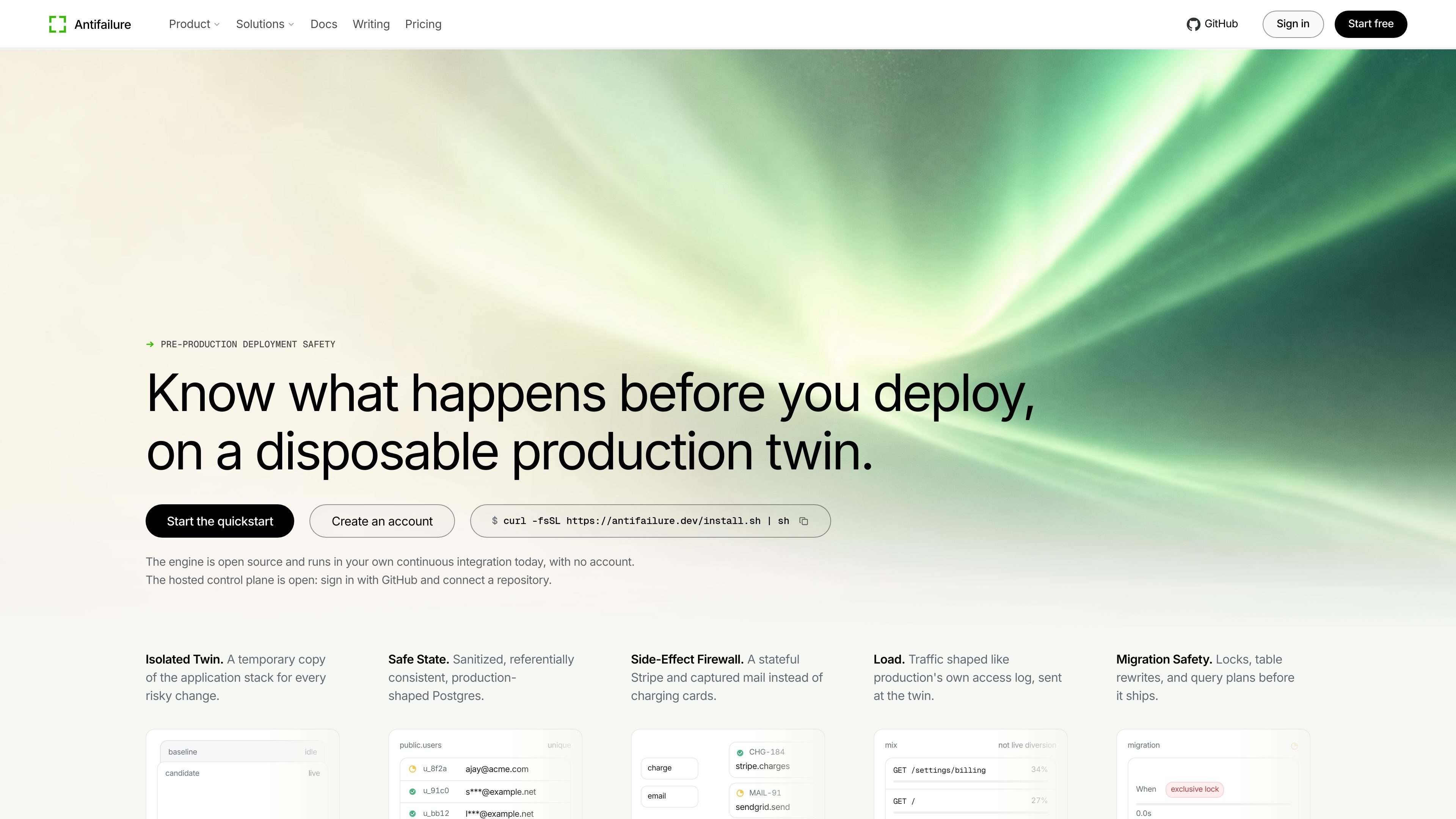

Antifailure creates a disposable copy of your production stack for each pull request so teams can catch migration issues, side effects, and other deploy-time failures before merge. It runs locally without an account for the core engine, with an optional hosted control plane for team coordination.


Harbory is an open source Rust-based orchestration system for managing containers, reverse proxies, and remote VMs from a dashboard. It is designed for small fleets of servers and uses paired agents instead of a Kubernetes cluster.
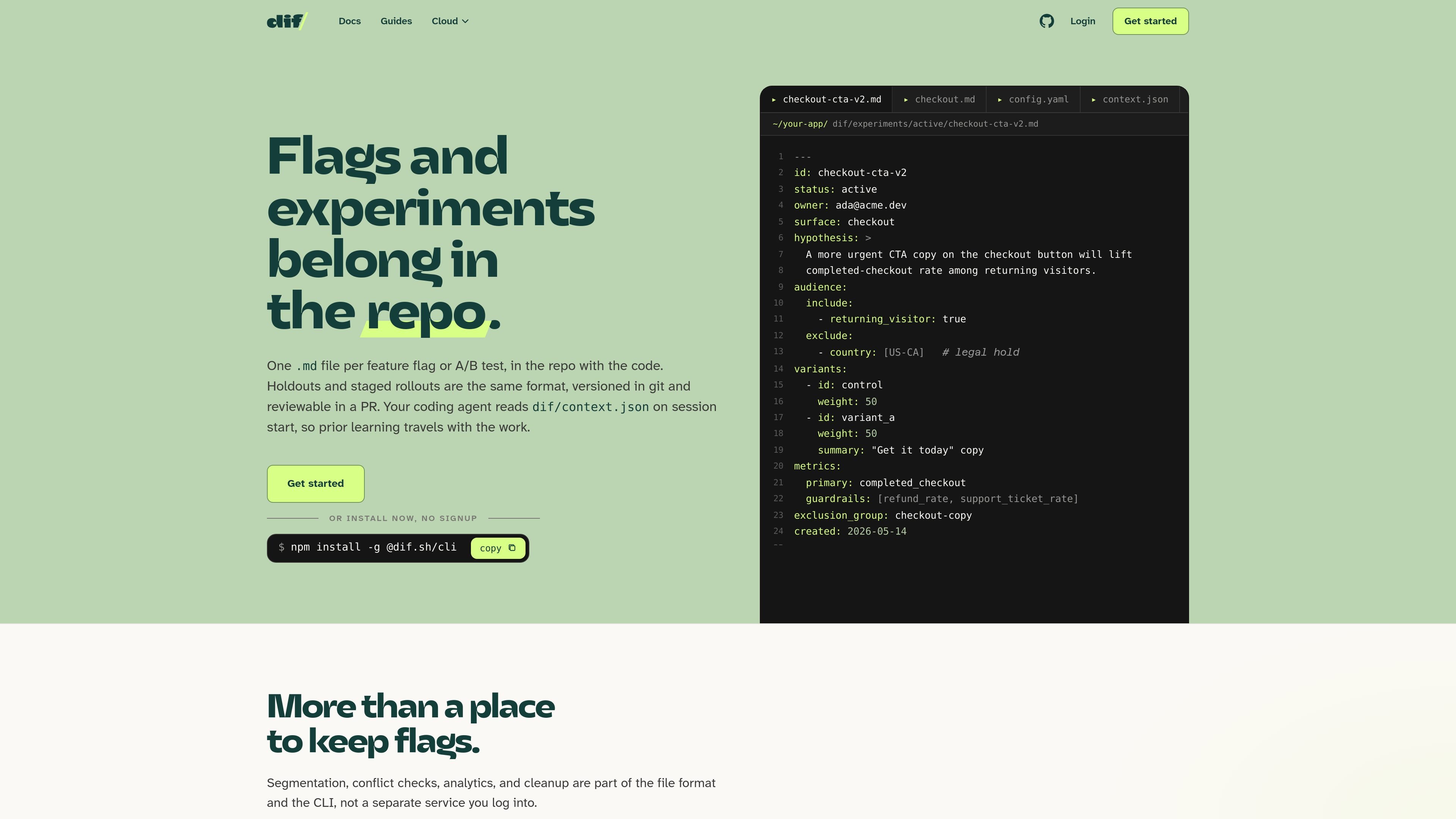

Dif.sh manages feature flags, A/B tests, holdouts, and staged rollouts as Markdown files in your repo. It uses a CLI to scaffold, validate, build, and conclude experiments, with Dif Cloud available for shared metrics and decision review.
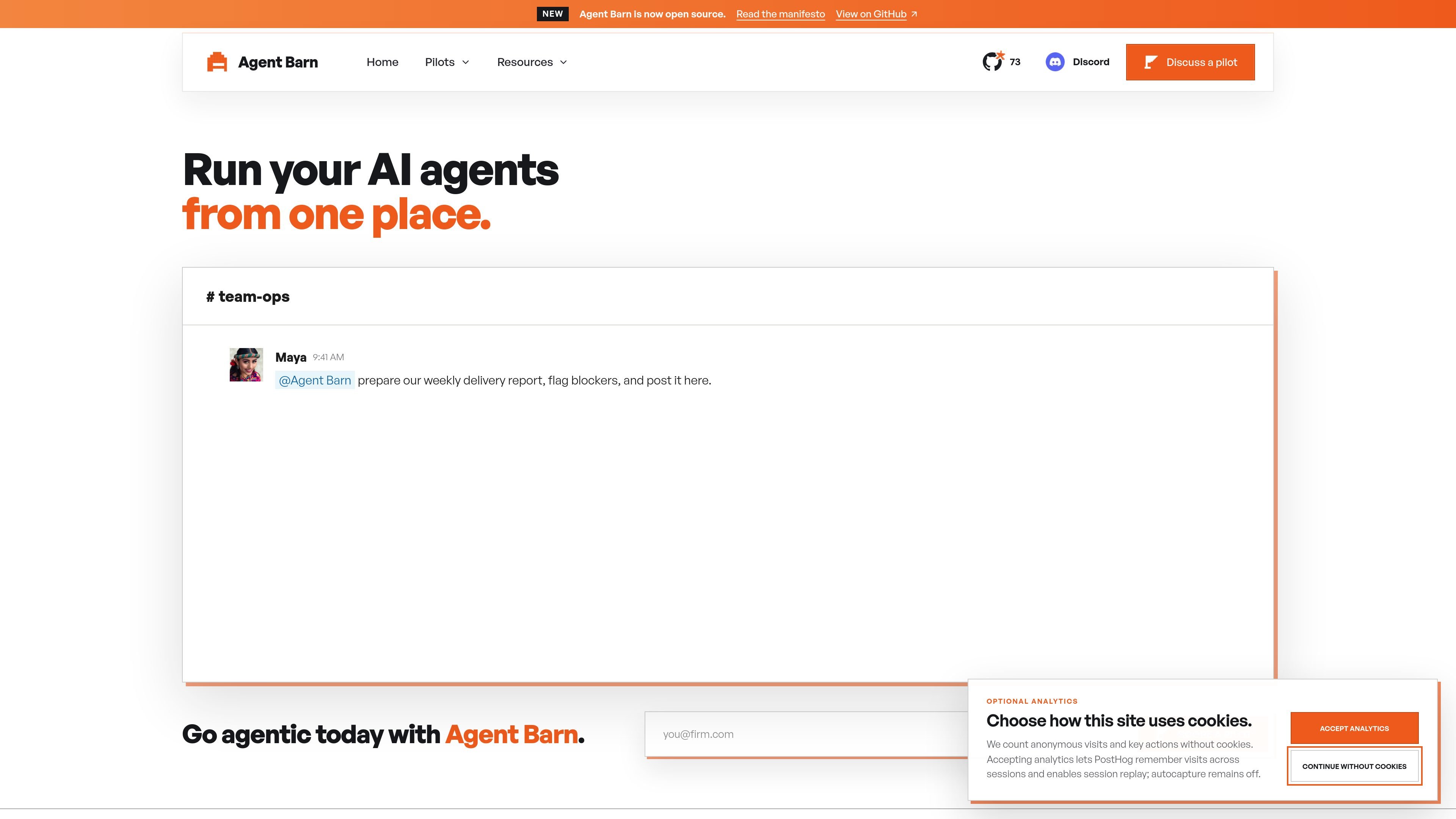

Agent Barn is a self-hosted control plane for creating, configuring, running, and monitoring AI agents across Slack, Microsoft Teams, Telegram, and connected business systems. It is aimed at teams that want agents to operate inside their own infrastructure.
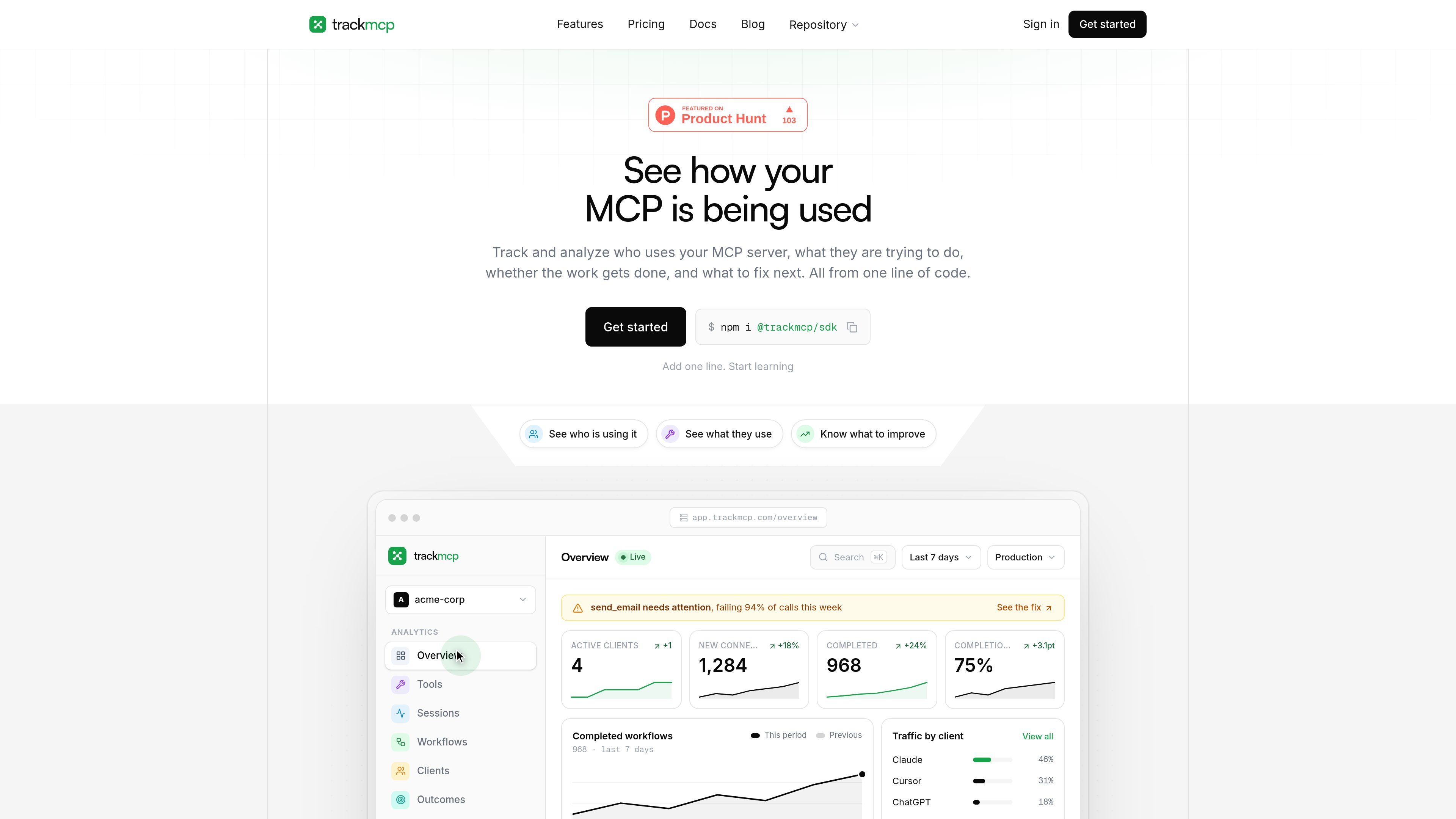

TrackMCP is an analytics and observability tool for MCP servers. It helps teams see which clients and tools are being used, where workflows fail or stall, and what to improve next.
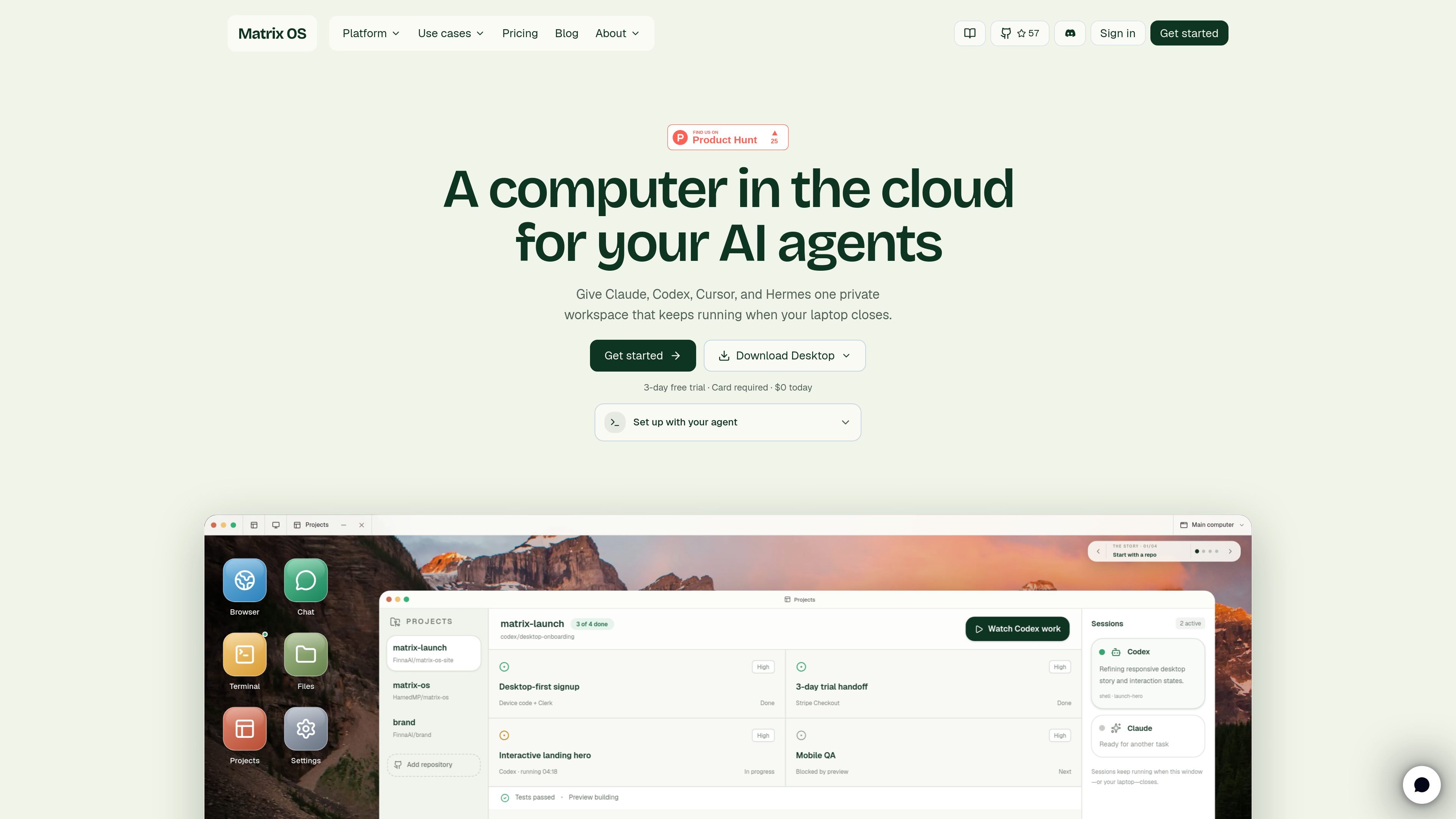

Matrix OS is a cloud computer and AI workspace for running coding agents and development tasks in the browser or from the CLI. It helps teams and individual developers keep work running after a laptop sleeps, with managed cloud and manual VPS setup options.
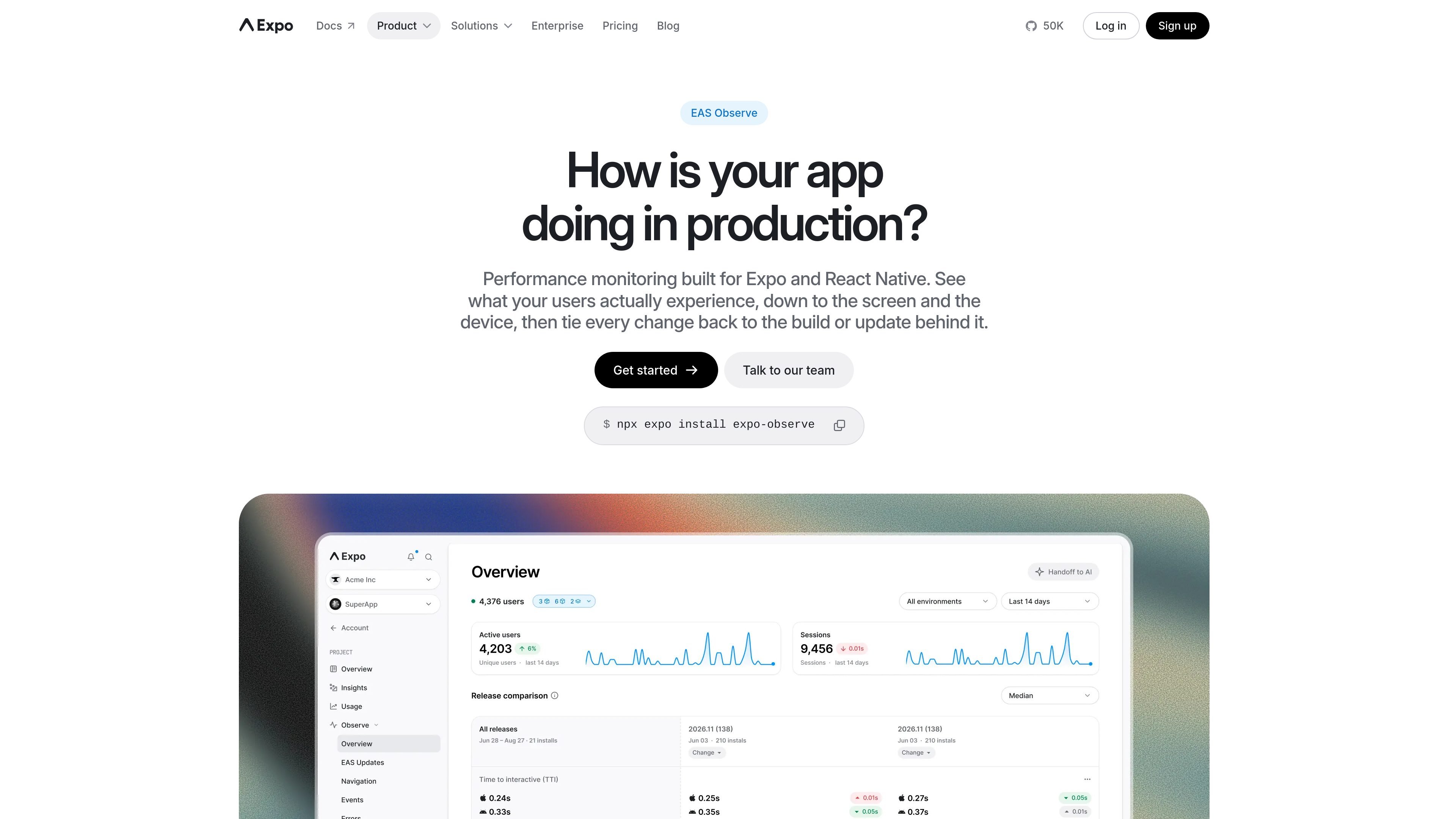

EAS Observe is a production performance monitoring tool for Expo and React Native apps. It shows startup metrics, session timelines, release markers, and errors inside the Expo dashboard.
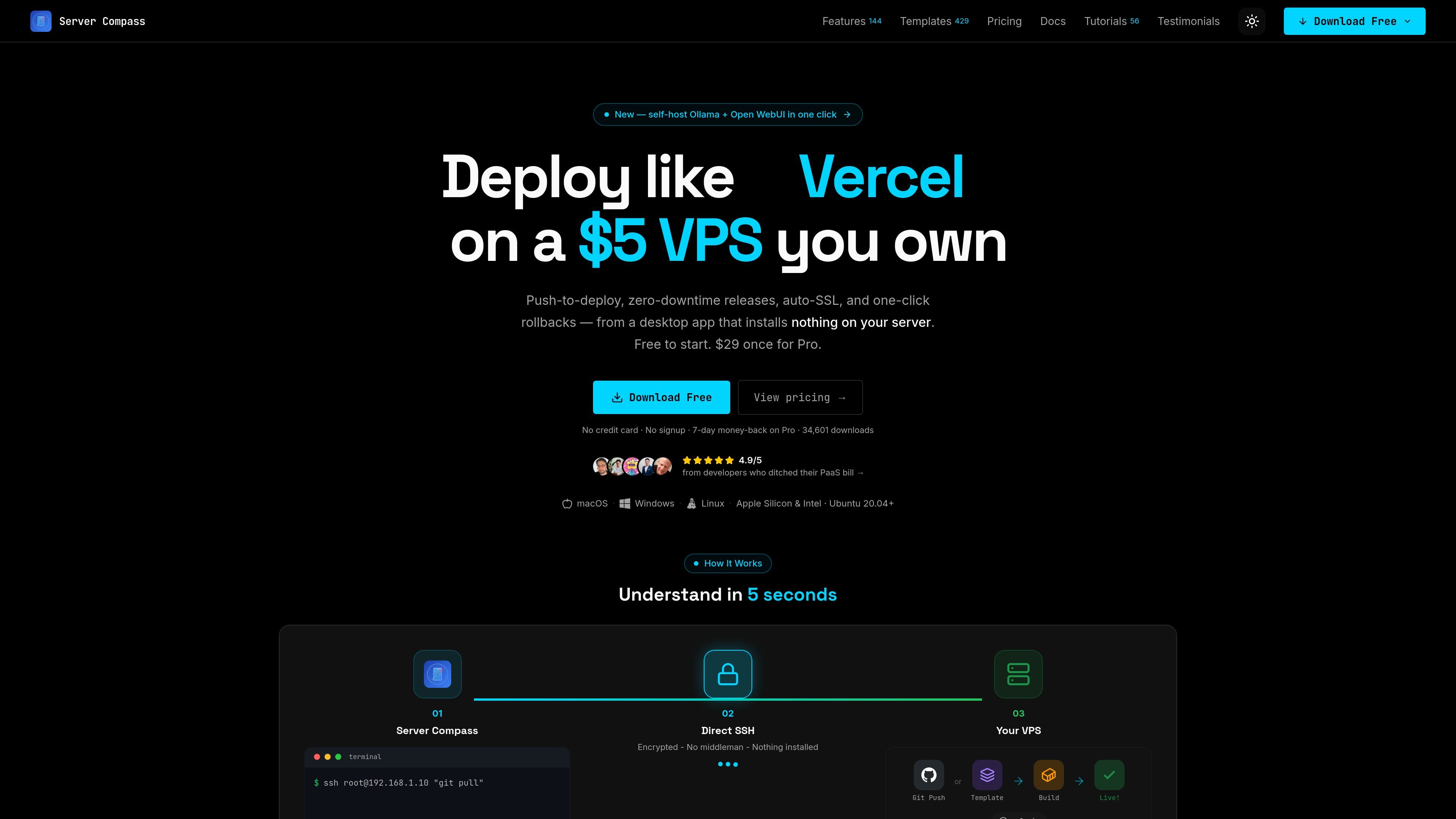

Server Compass is a local desktop app for deploying and managing apps on your own VPS over SSH. It supports templates, repository-based deployments, SSL, rollbacks, cron jobs, backups, and server monitoring.
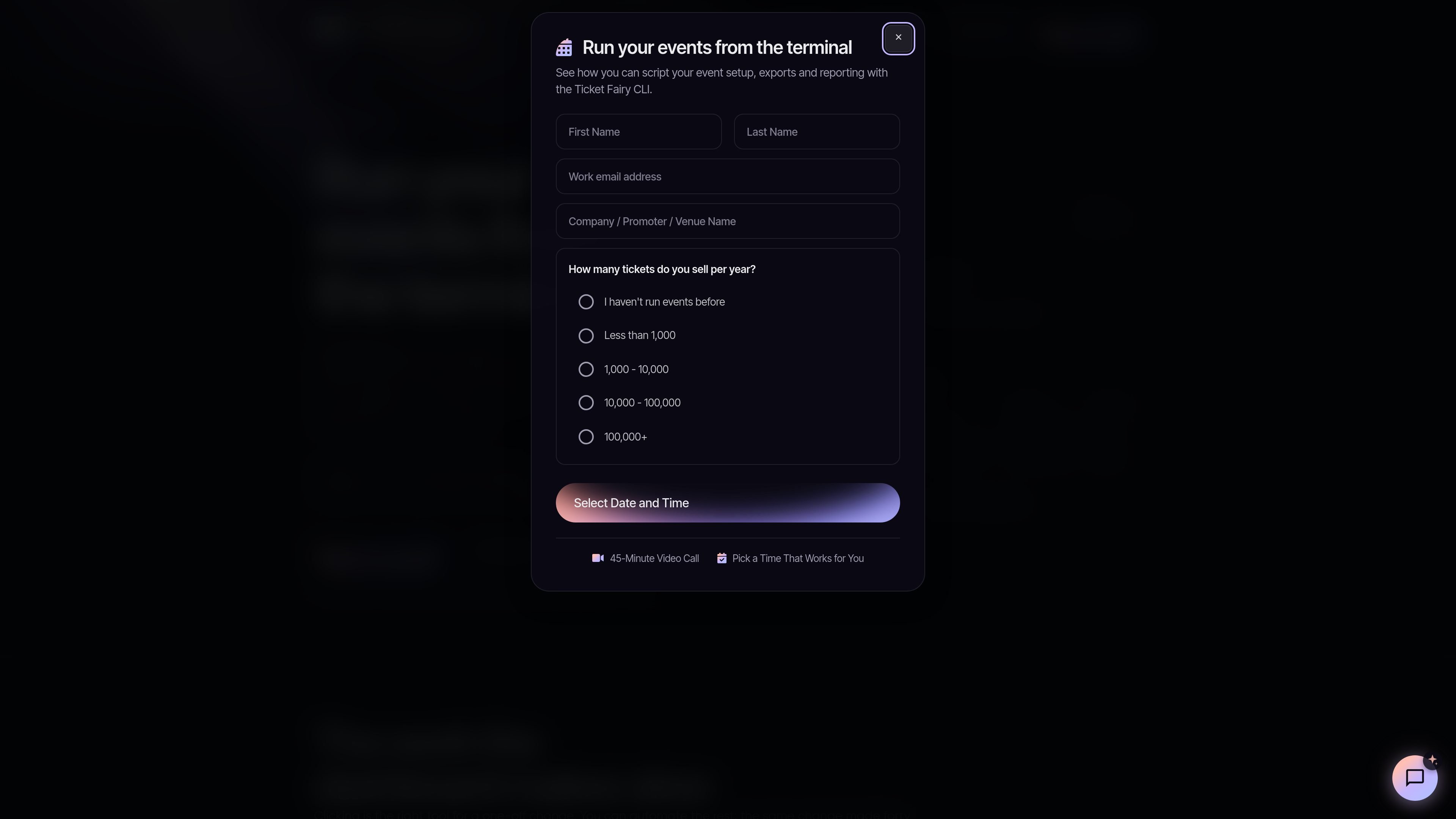

Ticket Fairy CLI is a command-line tool for promoters and event teams to manage Ticket Fairy events, exports, reporting, and other dashboard tasks from the terminal. It installs with npm and can also expose the same event data and actions to AI assistants through MCP.

DeployHermes is managed hosting for persistent Hermes AI bots. It gives each workspace a private runtime, mission flow, and integrations so bots can work across time with their own memory and tools.
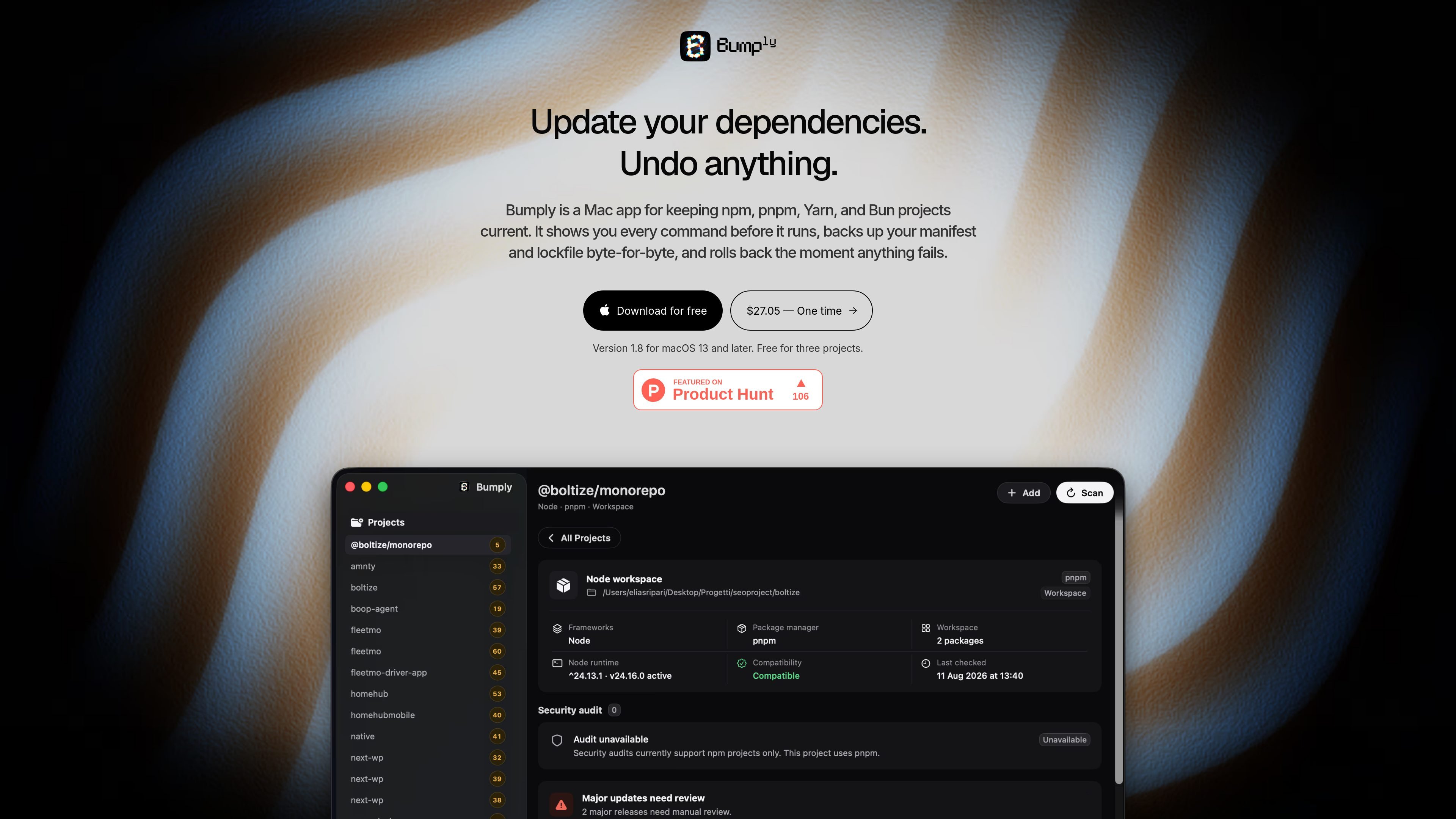

Bumply is a macOS app for updating npm, pnpm, Yarn, and Bun projects with command previews, reversible file changes, and read-only dependency audits.
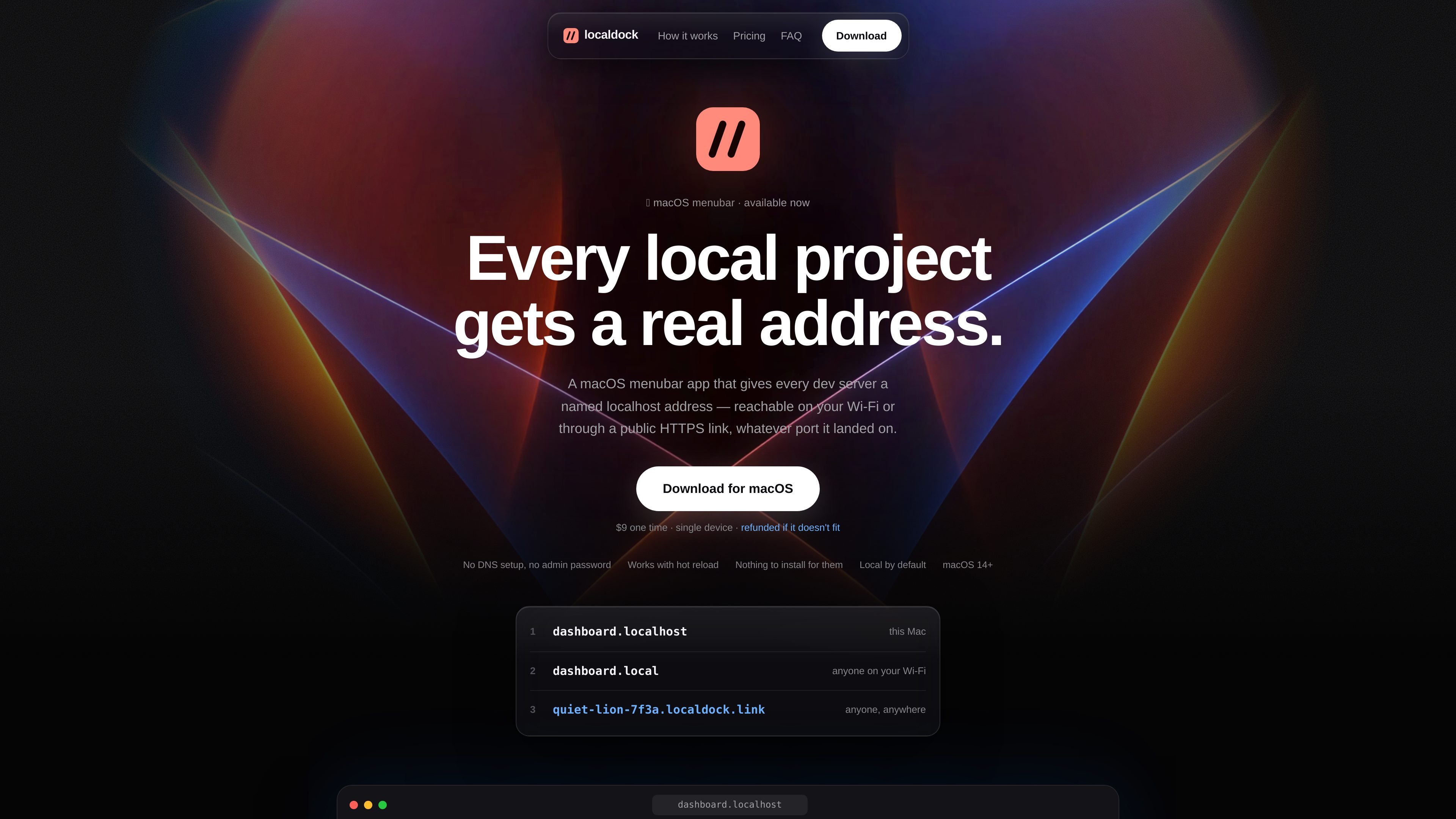

Localdock is a macOS menubar app that gives local dev servers stable project names and lets them open on the Mac, on Wi‑Fi, or through a temporary public HTTPS link. It is also aimed at AI coding workflows where port changes and orphaned servers are common.

Port Radar for macOS helps you identify what is running on your Mac, inspect listening ports, and stop or share local processes. It uses Apple Intelligence for process explanations and can create a Cloudflare Tunnel to publish a local app preview.

bitdrift is a mobile observability product that gives AI agents real-time access to unsampled device data so they can investigate crashes, performance issues, and user journeys. It is aimed at teams that want richer customer-device context for debugging and incident response.
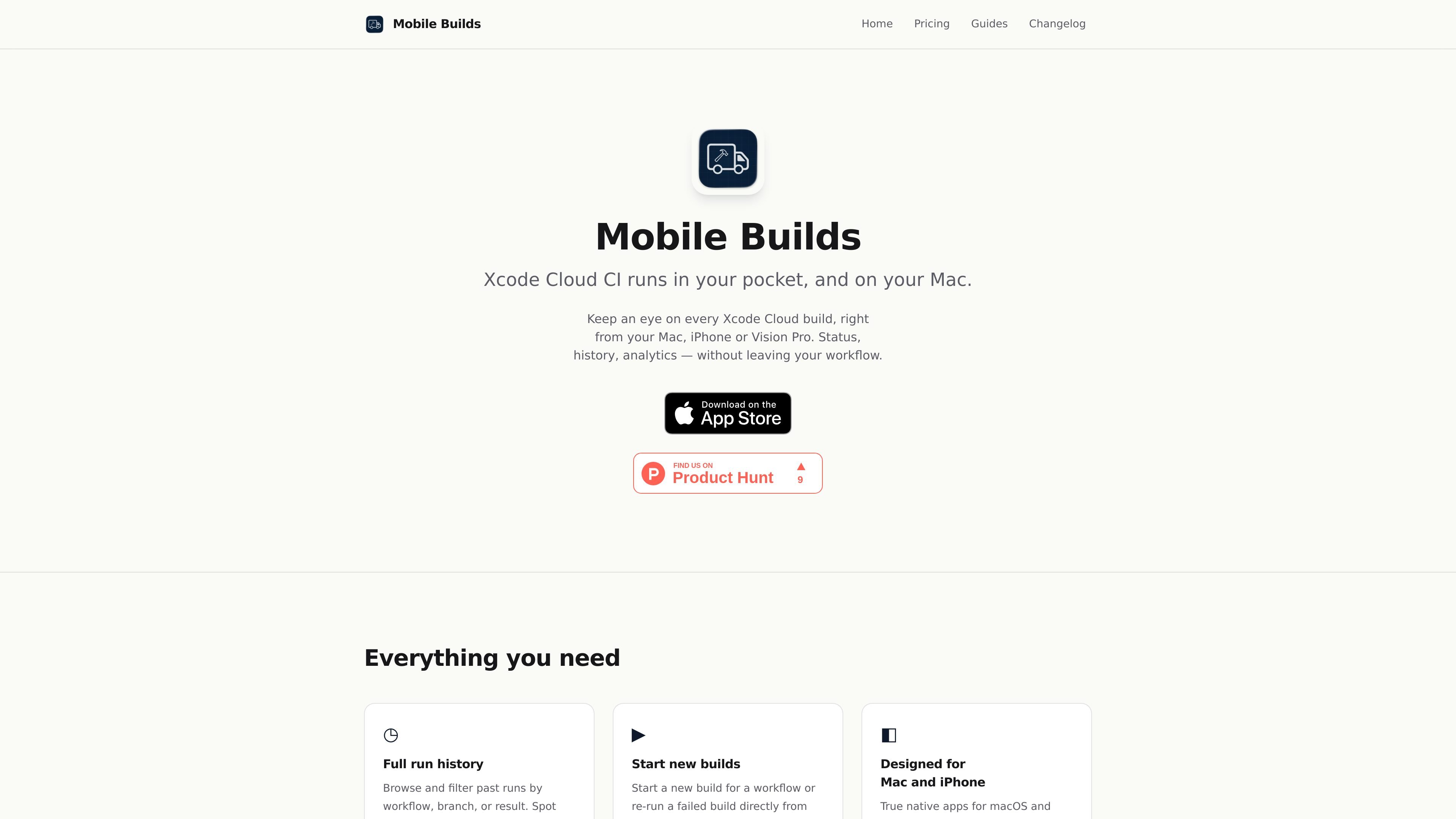

Mobile Builds is an app for tracking Xcode Cloud CI runs from Apple devices, with build status, history, analytics, notifications, and workflow actions in iPhone, iPad, Mac, and Vision Pro apps.
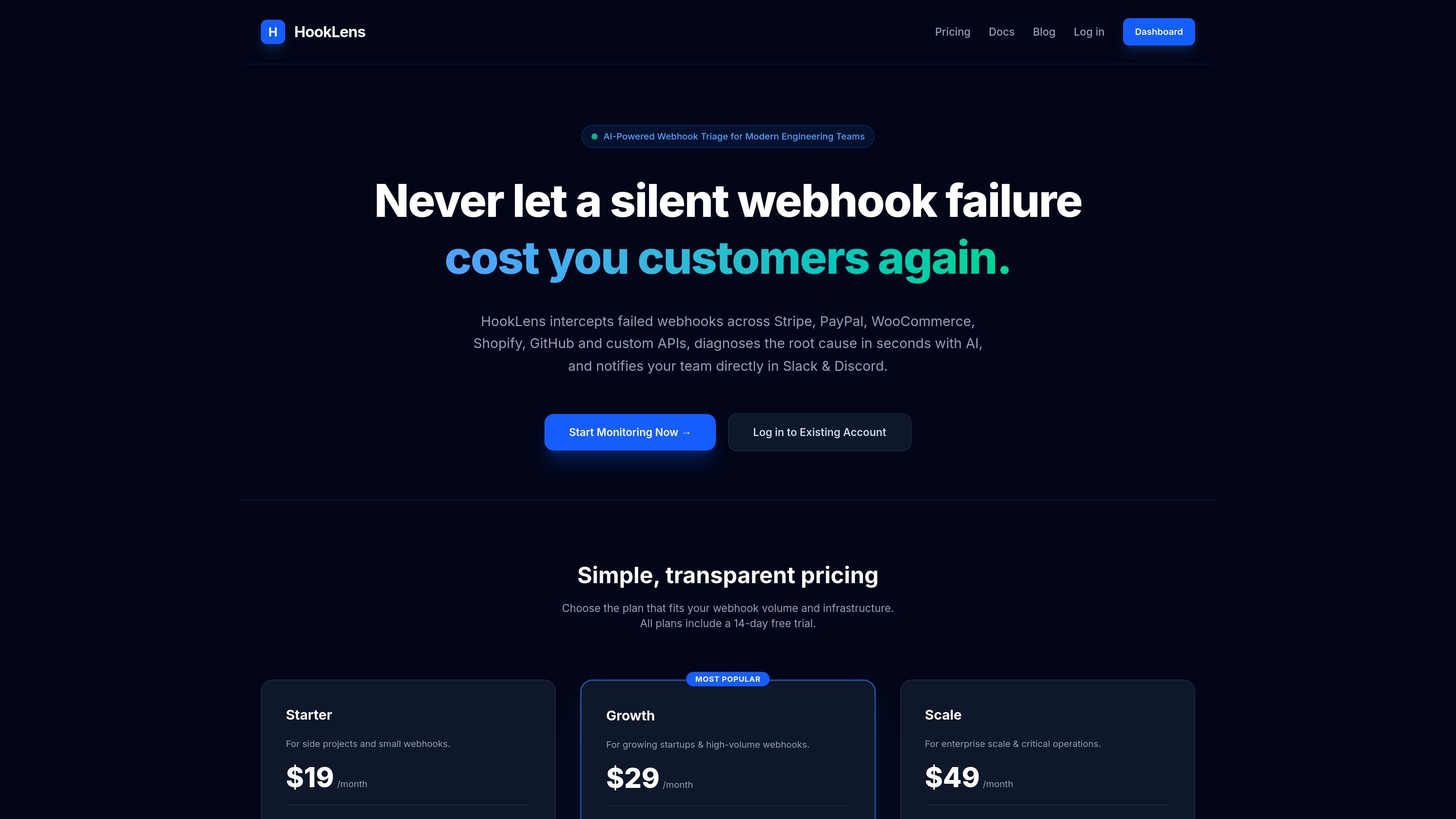

HookLens is an AI-powered webhook monitoring and triage tool for engineering teams. It intercepts failed webhook events, diagnoses root causes, and can notify teams in Slack or Discord.
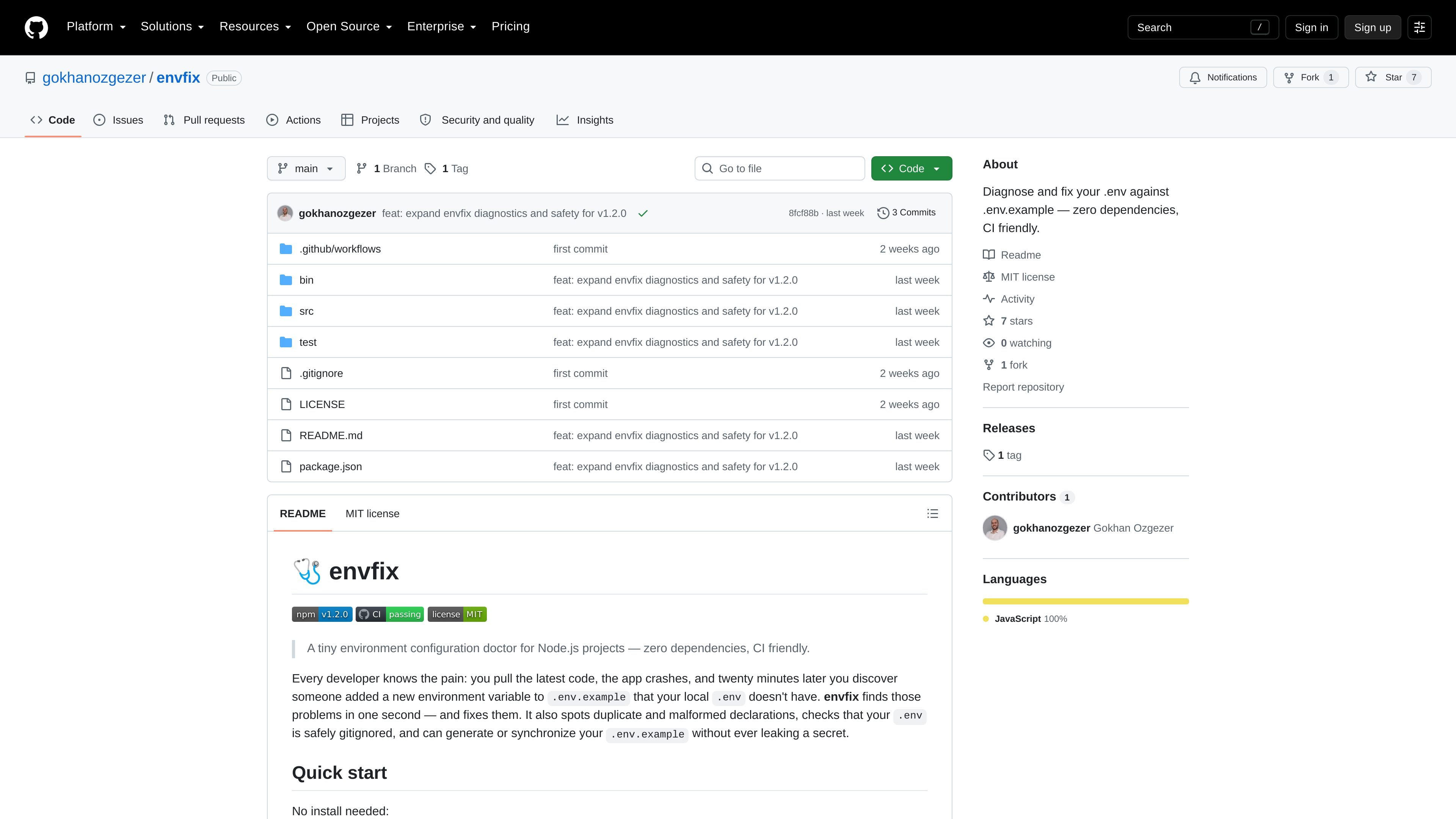

envfix is a zero-dependency Node.js CLI that checks .env files against .env.example, helps repair missing keys, and can generate or sync example files. It is designed for local development and CI workflows where environment configuration needs to stay consistent.
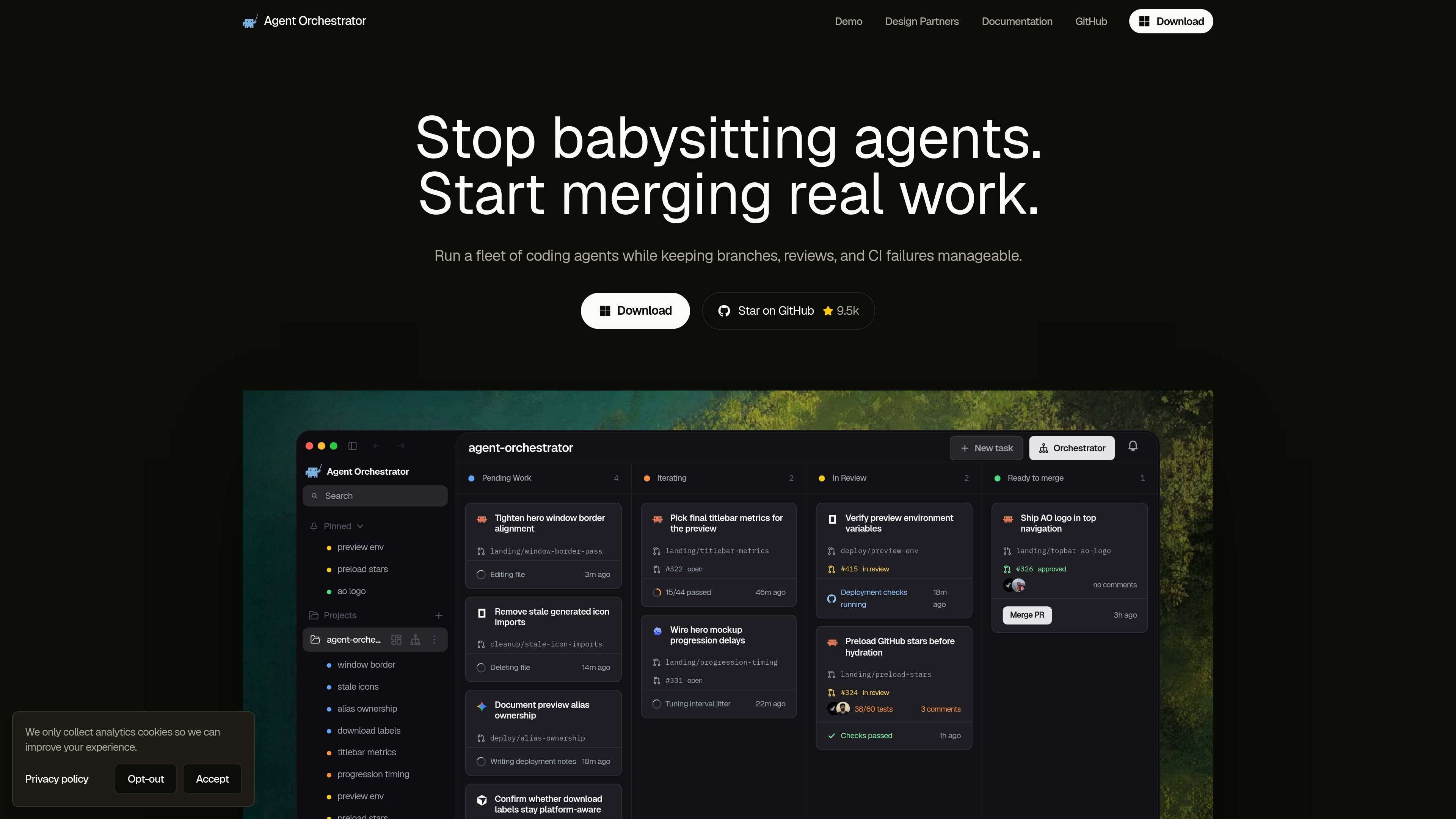

Agent Orchestrator is a desktop IDE for supervising AI coding agents, keeping their workspaces, pull requests, CI, and review feedback organized in one place. It is free and open source under Apache 2.0.
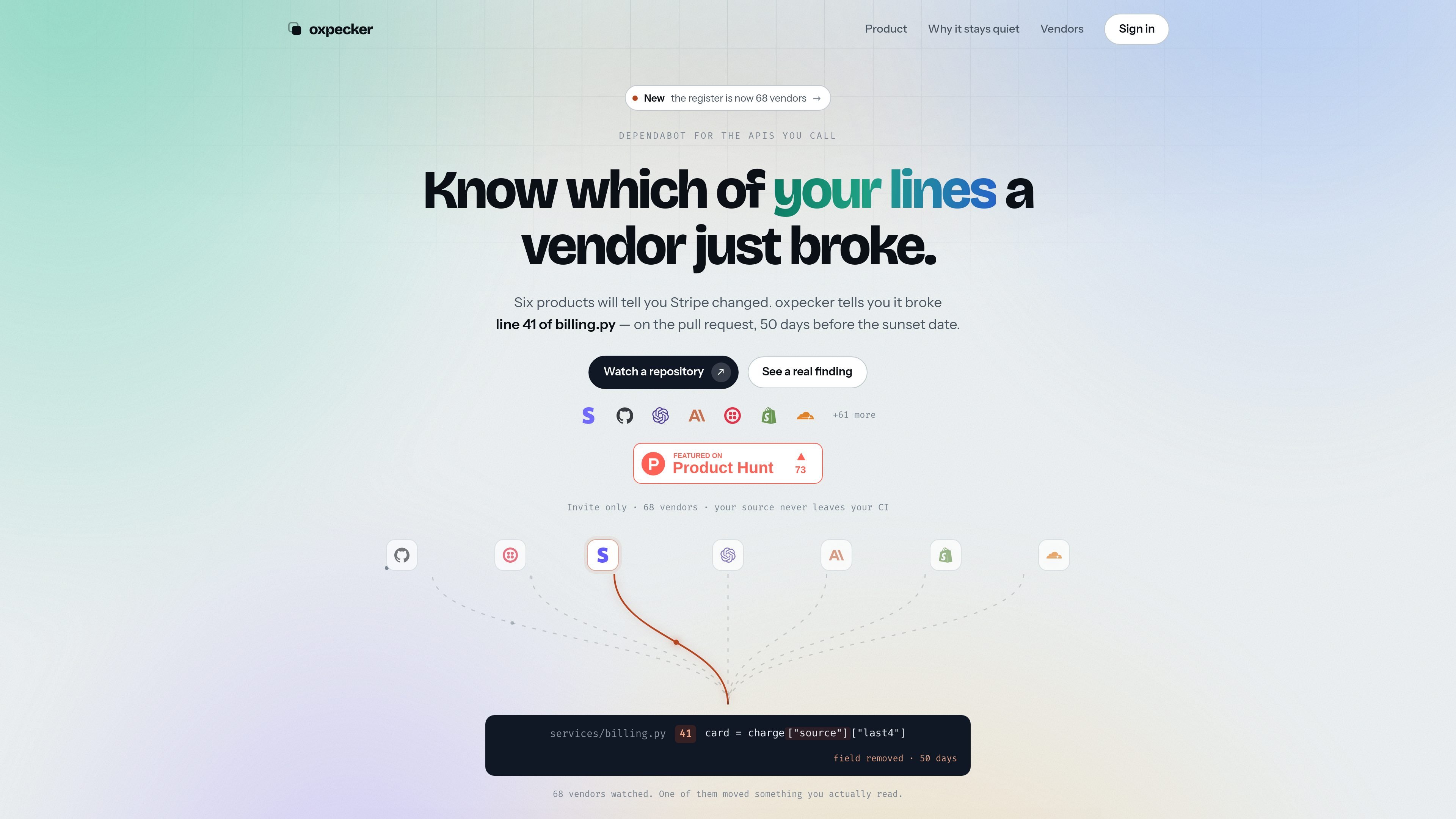

Oxpecker monitors vendor API and spec changes against the endpoints and fields your code actually uses, then opens a pull request when a relevant change is detected. It is aimed at teams that want focused dependency-change tracking inside CI rather than a broad changelog feed.
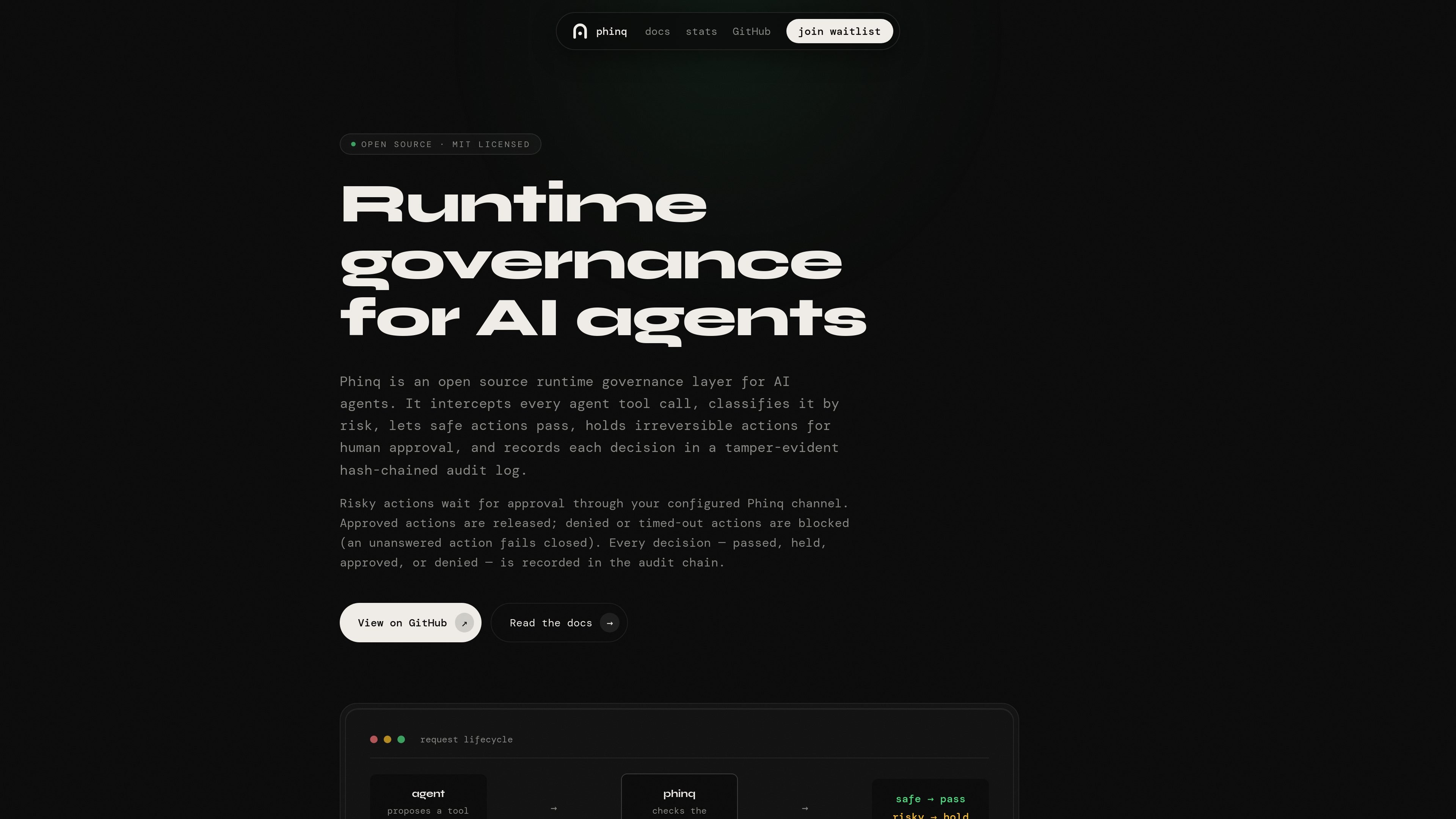

Phinq is an open source runtime governance layer for AI agents that classifies tool calls by risk, pauses irreversible actions for human approval, and records decisions in a tamper-evident audit log. It helps teams control agent actions at the execution boundary instead of relying only on prompts.