
Plain-language bot creation
Describe a web task in plain English and BrowserAct builds a reusable browser Skill or Bot from it, reducing the need to script selectors by hand.

BrowserAct Cloud turns a described web task into a reusable browser bot and runs it in managed cloud browsers. It is aimed at web automation and data collection workflows that need structured outputs, version history, and recurring runs.
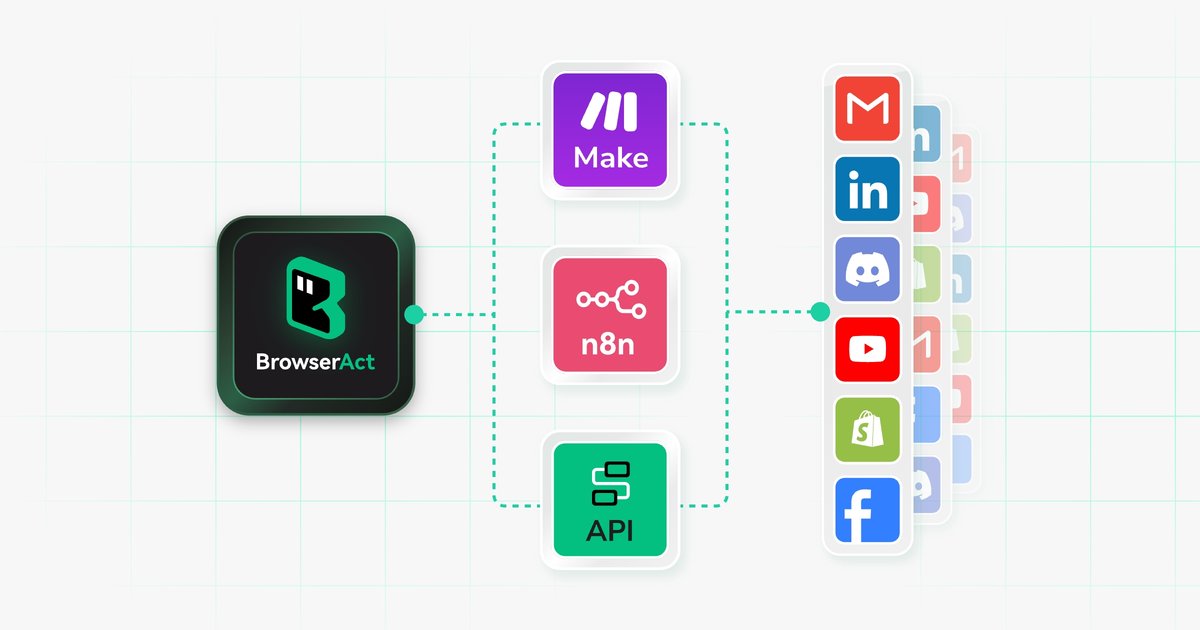
BrowserAct Cloud is a browser automation product that turns a described web task into a reusable browser Bot or Skill. The page positions it as a way to collect structured web data and files from sites without building everything from scratch.
It runs in managed cloud browsers and is designed to reduce the maintenance burden of changing pages. The product page highlights version history, publishable bots, structured results, and the ability to rerun the same workflow with consistent settings.
Describe a web task in plain English and BrowserAct builds a reusable browser Skill or Bot from it, reducing the need to script selectors by hand.
The product supports build, test, publish, and rerun workflows, so the same bot can be reused instead of recreated for each task.
BrowserAct records versions and published runs, giving teams a history of how a bot was built and what input settings were used.
Outputs can be delivered as structured results, CSV or JSON, or through APIs and webhooks, which makes the data easier to move into other tools.
The page says BrowserAct manages browsers, proxies, CAPTCHA handling, and capacity, reducing infrastructure work for automated web tasks.
It supports cloud runs and scheduling, allowing bots to run on demand or around the clock without local hardware.
Create a bot to track product listings, prices, ratings, stock status, and source URLs on marketplaces such as Amazon, then rerun the same workflow as the page changes.
Collect business lists, public contact details, websites, categories, and ratings for sales or research workflows that need structured output instead of copied pages.
Gather posts, comments, reviews, pricing, product updates, and source URLs for competitor or customer research across public websites.
Run bots on a schedule or continuously in the cloud for recurring checks, recurring data pulls, or long-running web tasks that should not depend on a local machine.
Use the managed browser runtime when a workflow needs proxies, CAPTCHA handling, or session continuity for logins and repeat visits.
BrowserAct Cloud is designed for users who can describe a web task in plain language and want the system to turn it into a reusable browser Skill. The product says it can build, test, publish, and run that bot with version history and structured results.
The source shows outputs can be delivered as structured results, CSV or JSON downloads, and through APIs and webhooks. It also mentions connections through Make, n8n, and Zapier.
Yes. The product page says you can keep using the same Bot with less maintenance as pages change, and it highlights version history plus published runs for a reusable workflow.
The pricing page indicates BrowserAct includes managed browser infrastructure, browser identities, proxies, CAPTCHA handling, and human hand-offs. The cloud agent page also mentions scheduling and 24/7 cloud runs.
The source does not provide exact environment requirements or hard limits. It does show that BrowserAct runs in cloud browsers and supports local or cloud-managed browser workflows.

Happenstance is an AI-powered network search tool for finding people, mutual connections, and warm introductions across connected accounts. It supports individual use, shared team groups, and developer workflows through API, MCP, Slack, and other integrations.

Make Real is a Next.js app that turns hand-drawn wireframes into working HTML prototypes using the tldraw SDK and AI models. It helps users sketch on a canvas, generate code, and review the result in an embedded preview.

Speculos is a deployment tool for Claude Code that publishes what you built to a shareable URL. It supports private, org-wide, or public apps and adds team controls for company domains, data connections, and customer-cloud deployments.

Awish is an AI-powered no-code automation platform that turns natural-language requests into automated workflows across connected apps. It serves individuals and teams that want to automate repetitive tasks, chat-based assistants, and workflow updates without manual configuration.

Octen is a search infrastructure product for AI applications that need live web context, structured answers, and retrieval tools for agents, copilots, and chatbots. It combines search, extraction, multimodal retrieval, and developer access paths such as API, SDKs, Skills, MCP, and CLI.

FigPrompt is an AI tool for creating production-ready Figma plugins from a written description. It helps Figma users move from idea to plugin logic without writing code.