
Loading...
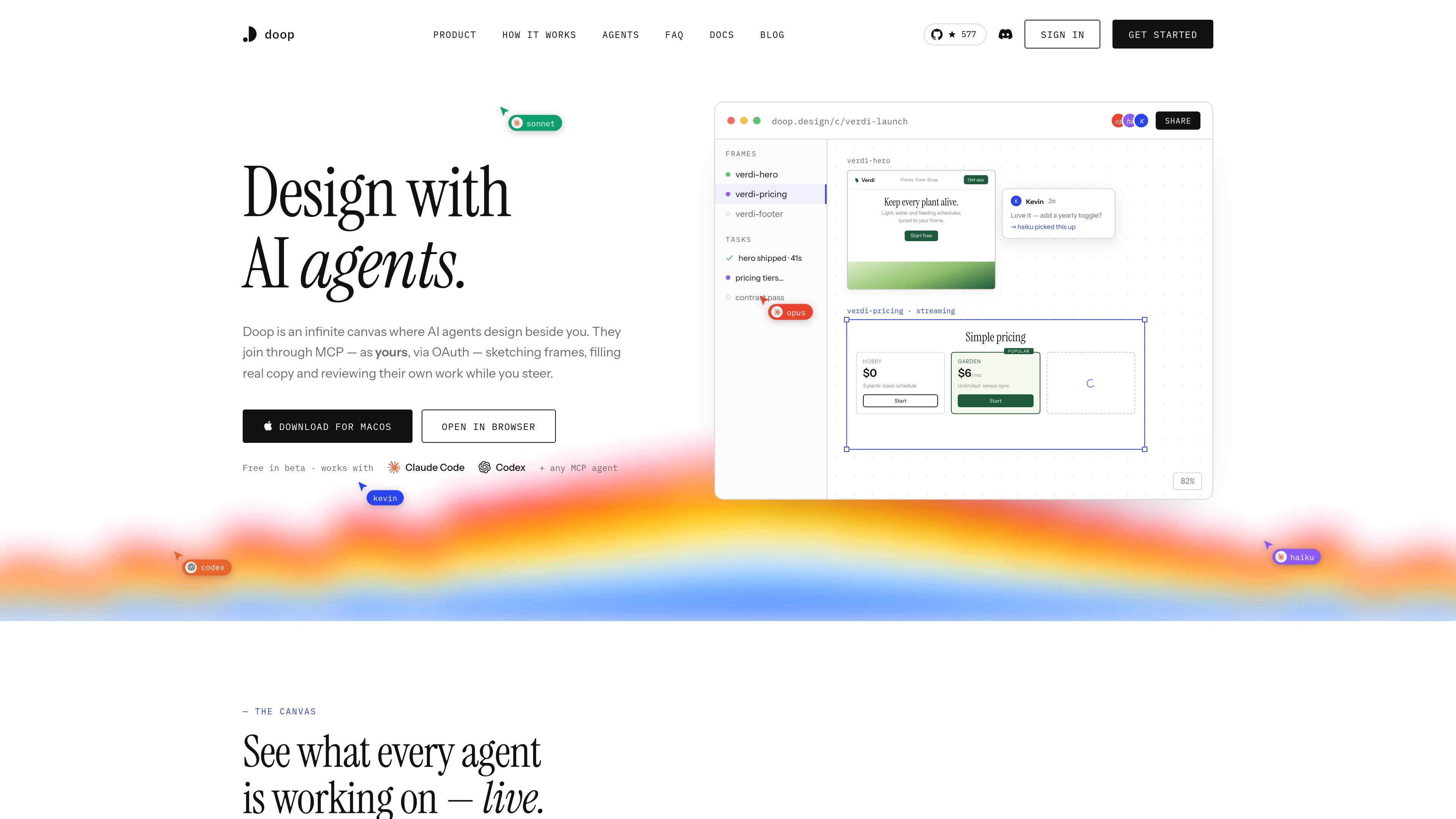

Doop is an open-source multiplayer design canvas for Claude Code, Codex, and other MCP-capable AI agents. It helps teams design side by side with agents on a shared canvas with live work, comments, screenshots, and persistent context.
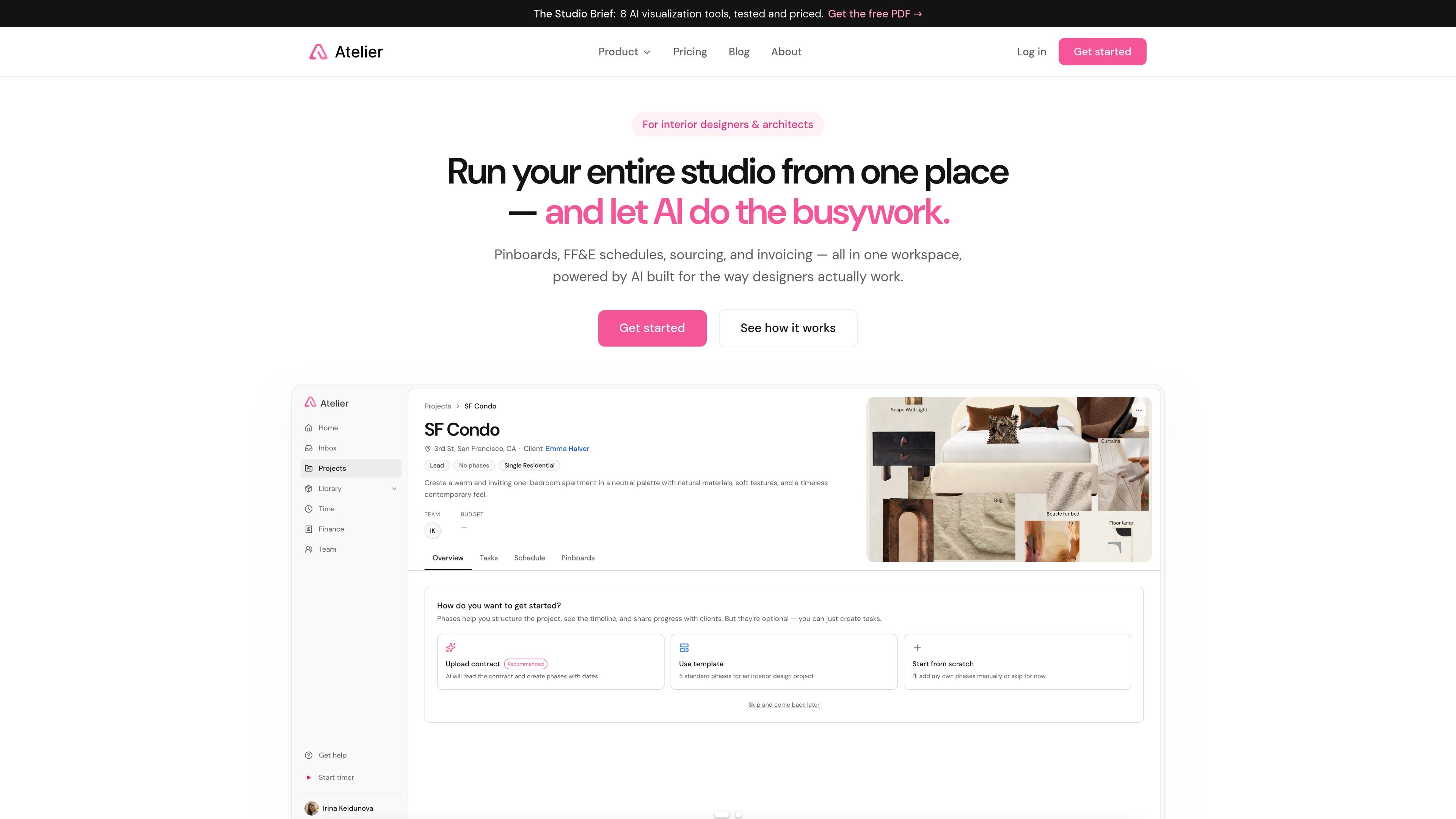

Atelier is an AI-native workspace for interior designers and architects that brings pinboards, FF&E schedules, sourcing, procurement, approvals, proposals, and invoicing into one workflow. It helps studios automate product capture and project administration while keeping design decisions with the designer.
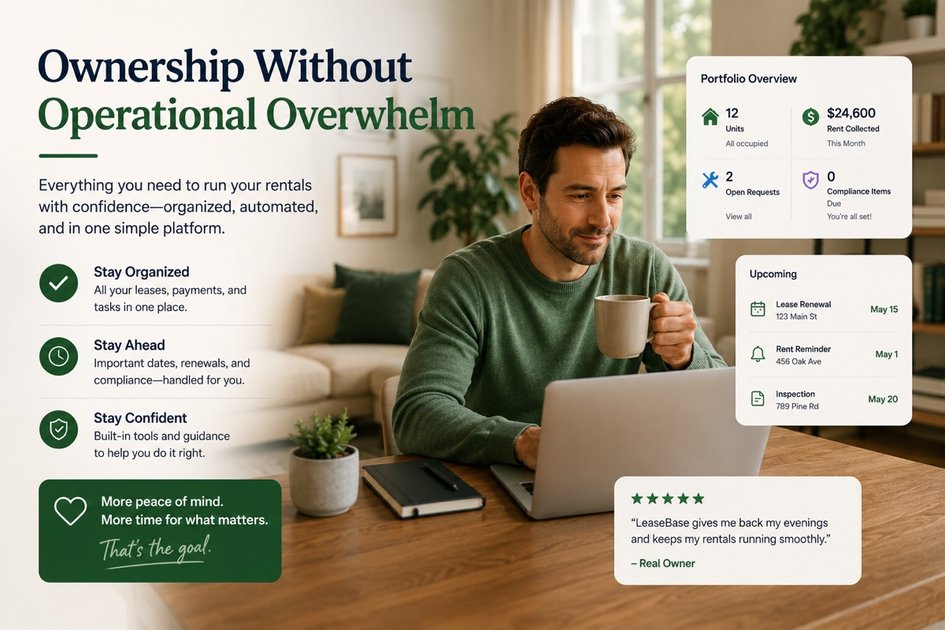

LeaseBase is rental management software for self-managing landlords and small property managers. It combines rent collection, leases, maintenance, tenant communication, and jurisdiction-based compliance tracking in one platform.
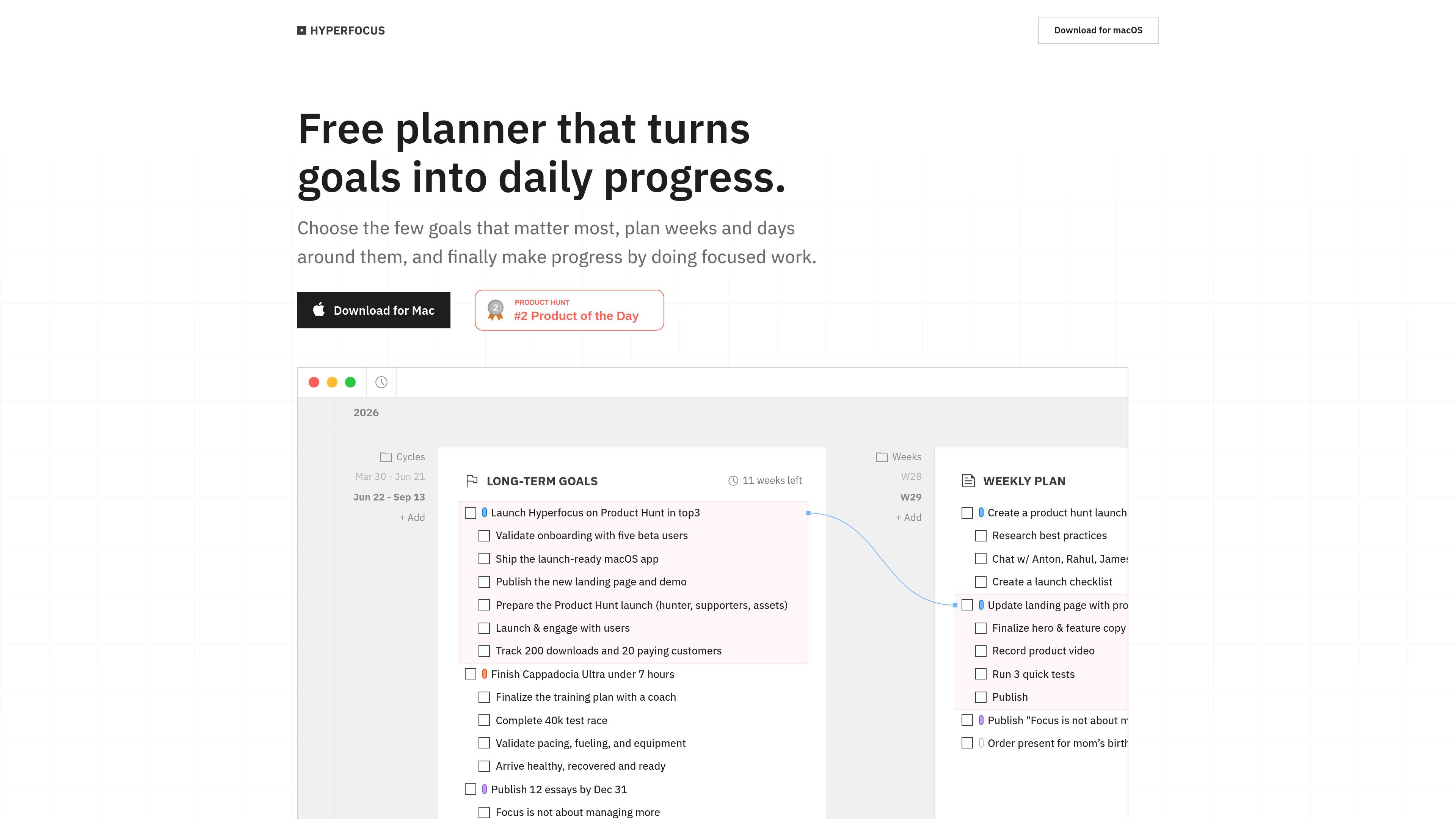

Hyperfocus is a goals-first planner that helps you connect long-term goals to weekly and daily plans, then move them forward with focused work. It includes AI-assisted plan review and a planning workflow centered on one clear next step.
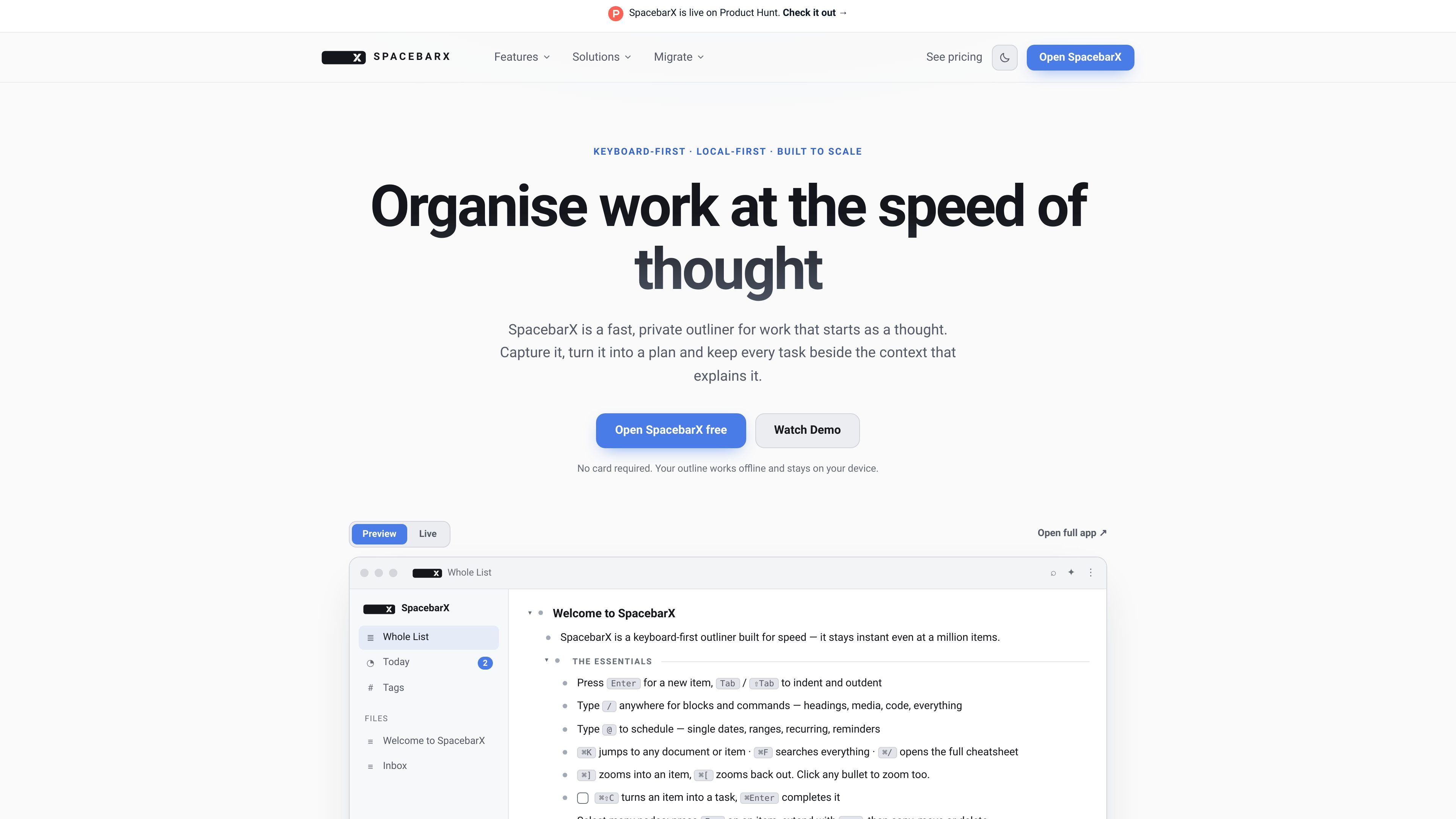

SpacebarX is a keyboard-first, local-first outliner for notes, tasks and projects. It helps people organise growing outlines offline and sync them through their own Google Drive or Dropbox account.
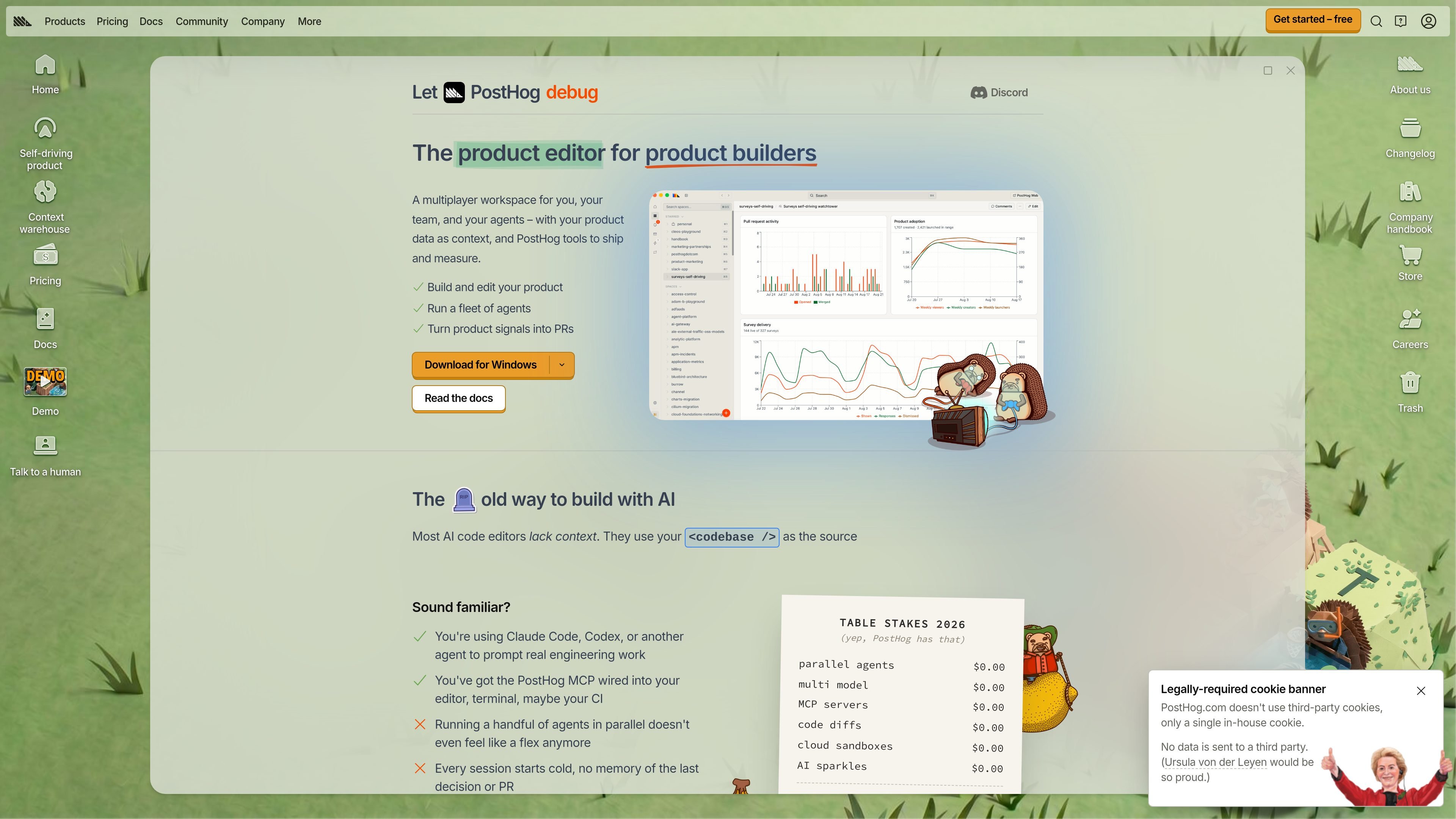

PostHog Desktop is a desktop app for product builders that combines coding agents with PostHog product context and team workflows. It helps teams plan, run, review, and ship work from a single app.
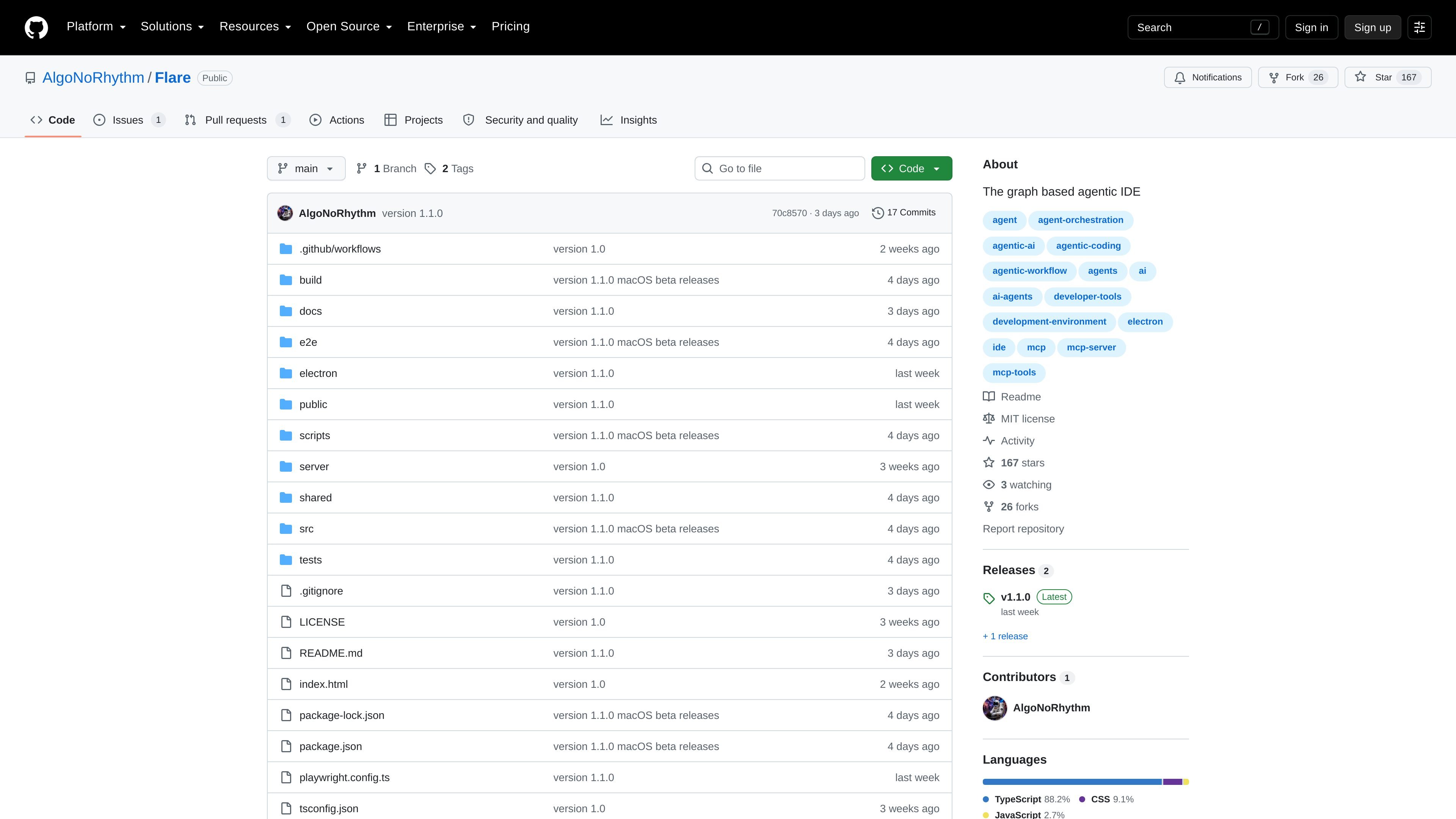

Flare is a graph-first IDE for agentic coding that shows a live dependency graph of a codebase while you run coding agents in its terminal. It helps developers monitor edits, review impact, and keep tasks, questions, and decisions in the same workspace.
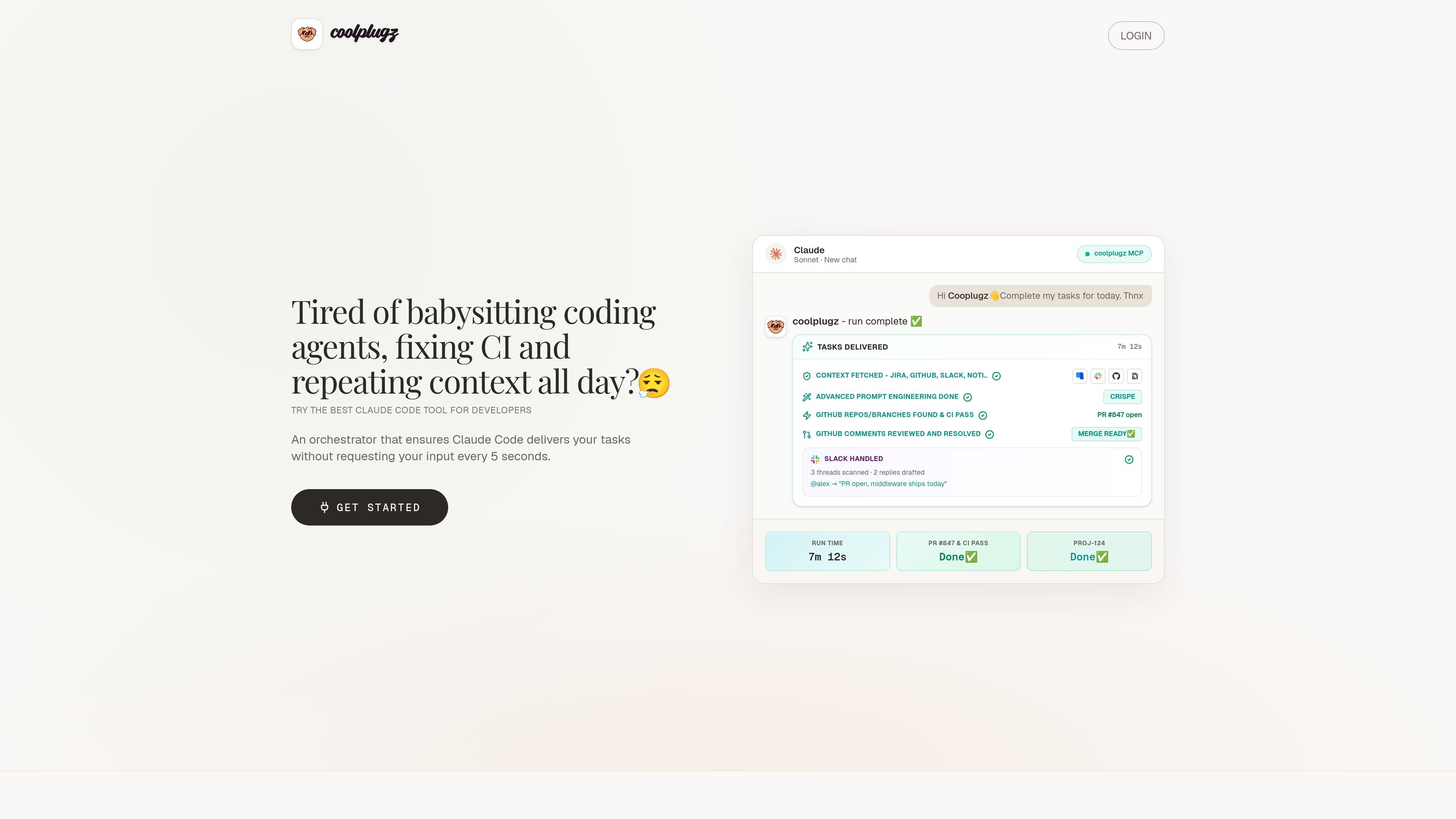

CoolPlugz is an orchestration layer for Claude Code that helps developers finish tasks with less manual supervision by gathering context from tools like Jira, GitHub, Slack, and Notion. It is aimed at remote developers and teams that want fewer context switches and a more structured workflow.
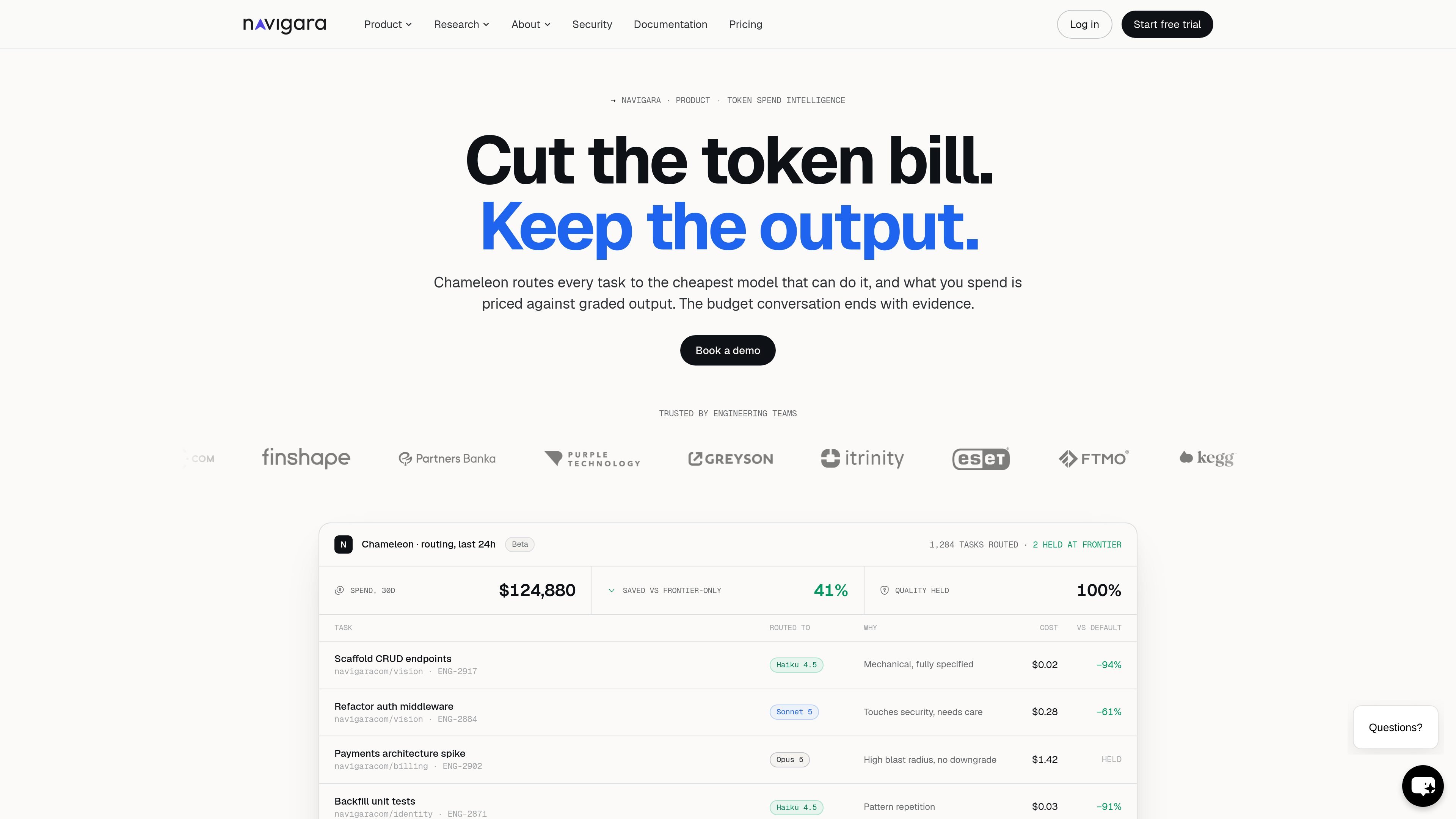

Navigara AI ROI measures engineering performance from commit history and turns AI spend into a capacity-and-roadmap view of return. It helps teams explain what AI produced, what it cost, and how much of it supported named objectives.
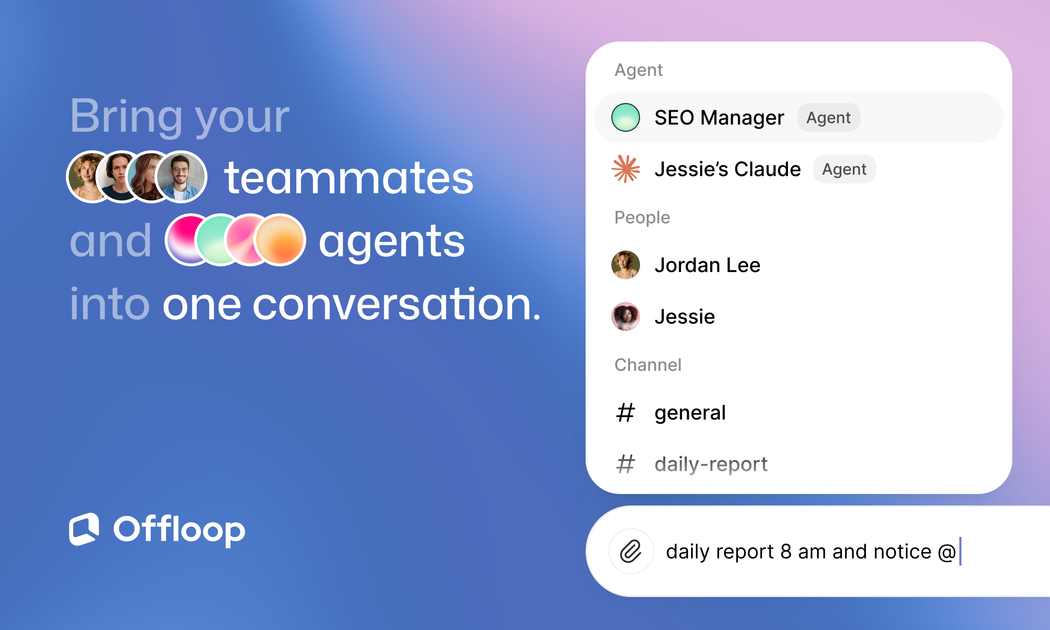

Offloop is a workspace for teams using AI Agents to run recurring work with shared context, approvals, and visible handoffs. It helps keep the result, the decision, and the next step in one record so teammates can continue the work together.
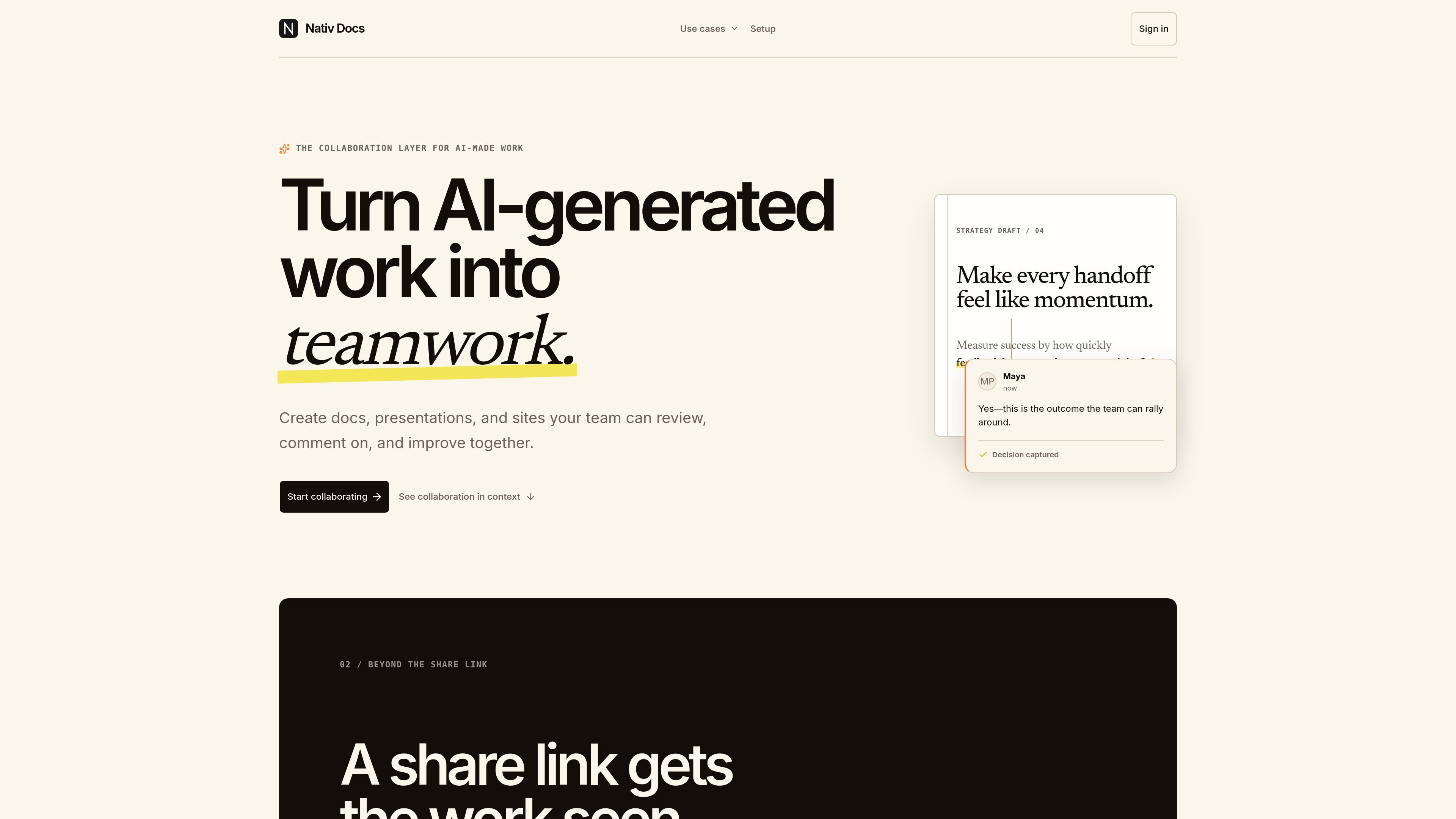

Nativ Docs is a collaboration layer for AI-generated documents, presentations, and sites. It helps teams review drafts in context, comment on specific ideas, and move feedback into the next version.
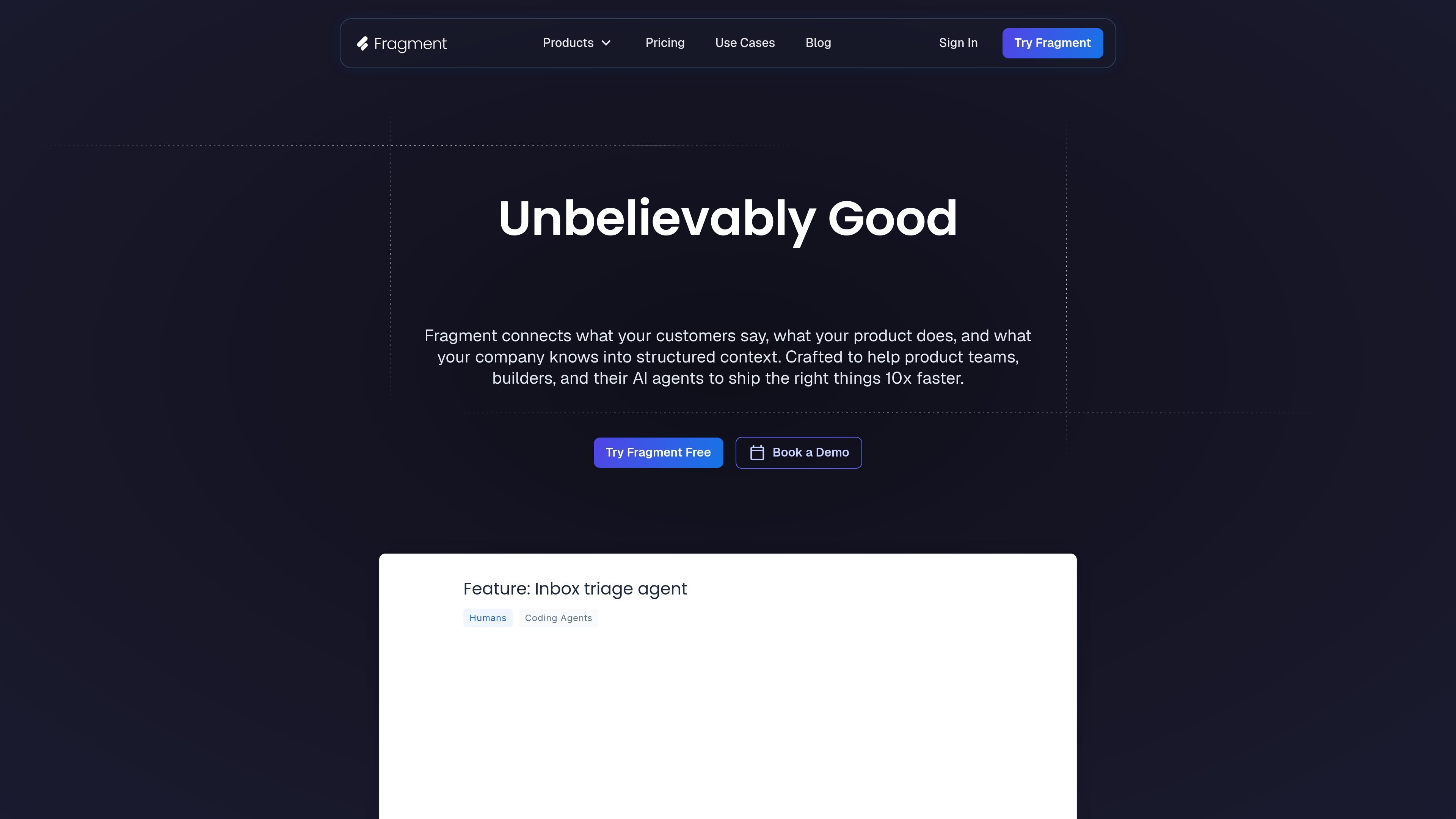

Fragment is a product intelligence layer that turns customer conversations, product context, and company knowledge into structured evidence for product teams and AI agents. It helps users validate PRDs, synthesize feedback, generate specs, and keep customer context current.
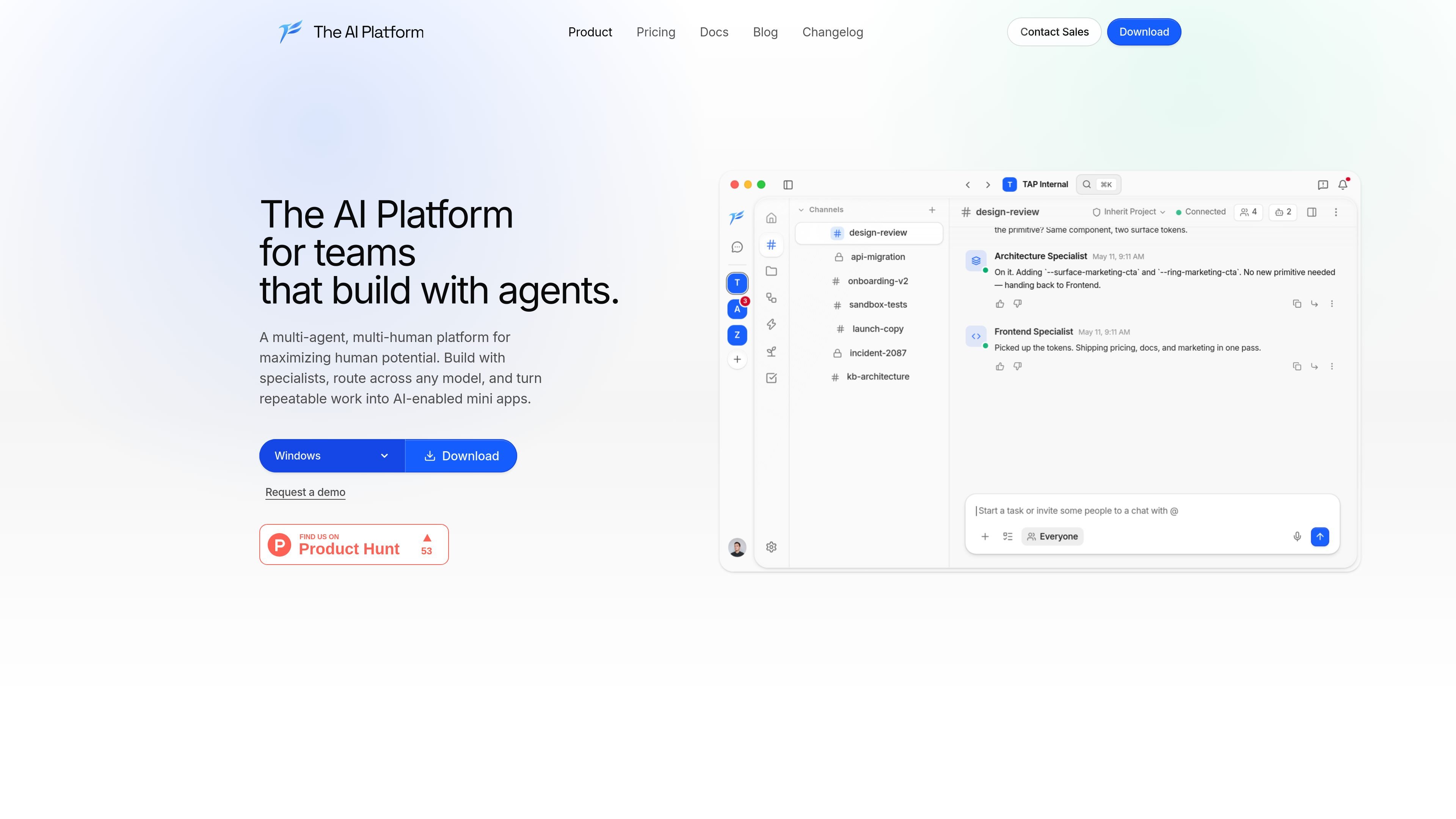

The AI Platform is a provider-agnostic AI superapp for teams that build with agents. It combines specialist agents, model routing, workflows, and mini app building in one workspace.
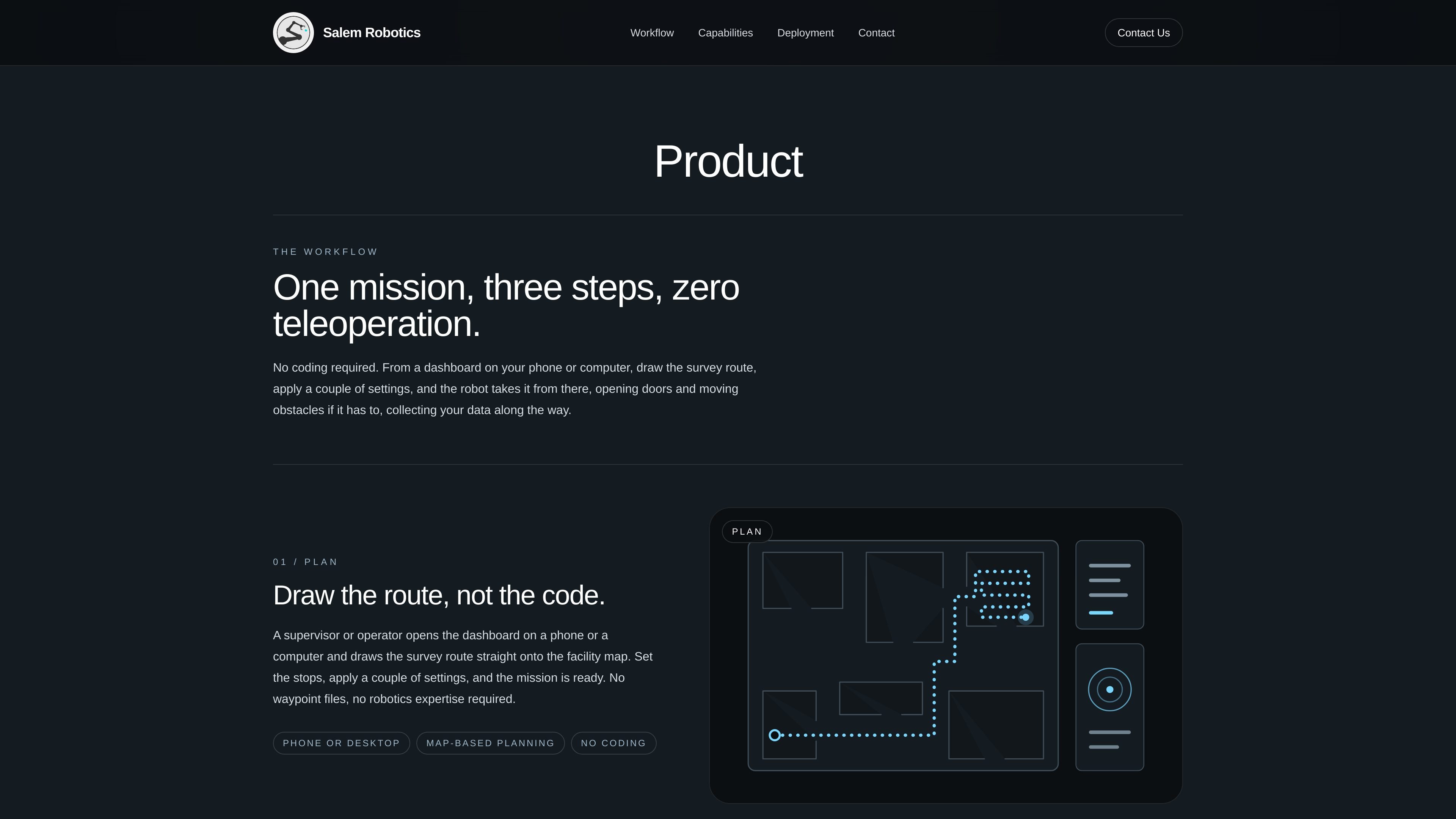
Salem Robotics is software for autonomous inspection, data collection, and reporting in hazardous industrial facilities. It helps operators plan robot missions on a map, run them without teleoperation, and review compliance-ready outputs.
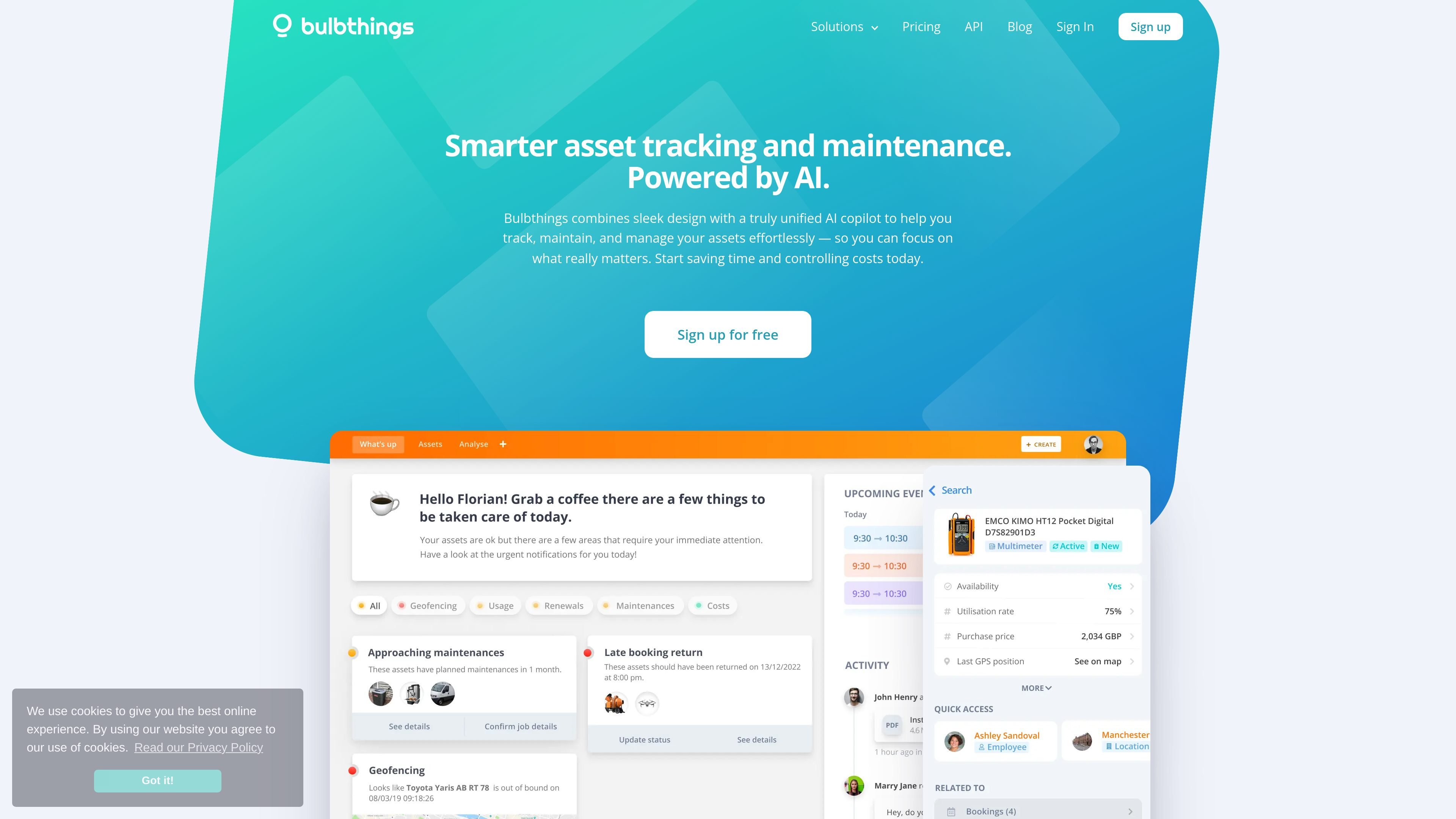

Bulbthings is an asset management platform for tracking equipment, inventory, maintenance, and bookings in one system. It offers a free forever option for small teams and charges based on features, asset type, and asset volume with unlimited users.
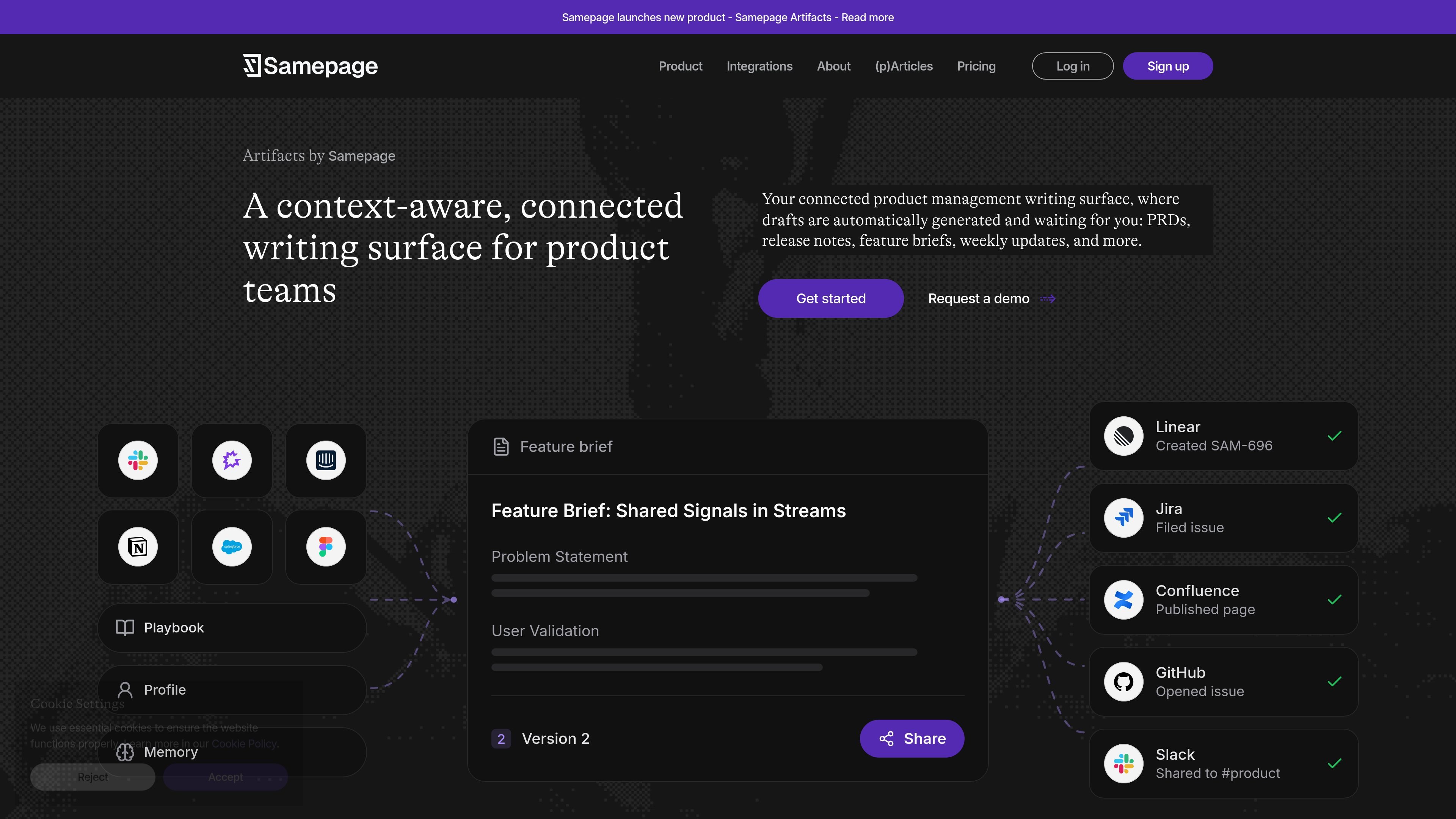

Artifacts by Samepage is a connected writing surface for product teams that turns signals and existing work context into drafts such as PRDs, release notes, feature requests, bug tickets, and status updates. It includes built-in AI editing and can publish work into tools like Jira, GitHub, Confluence, Slack, and Linear.
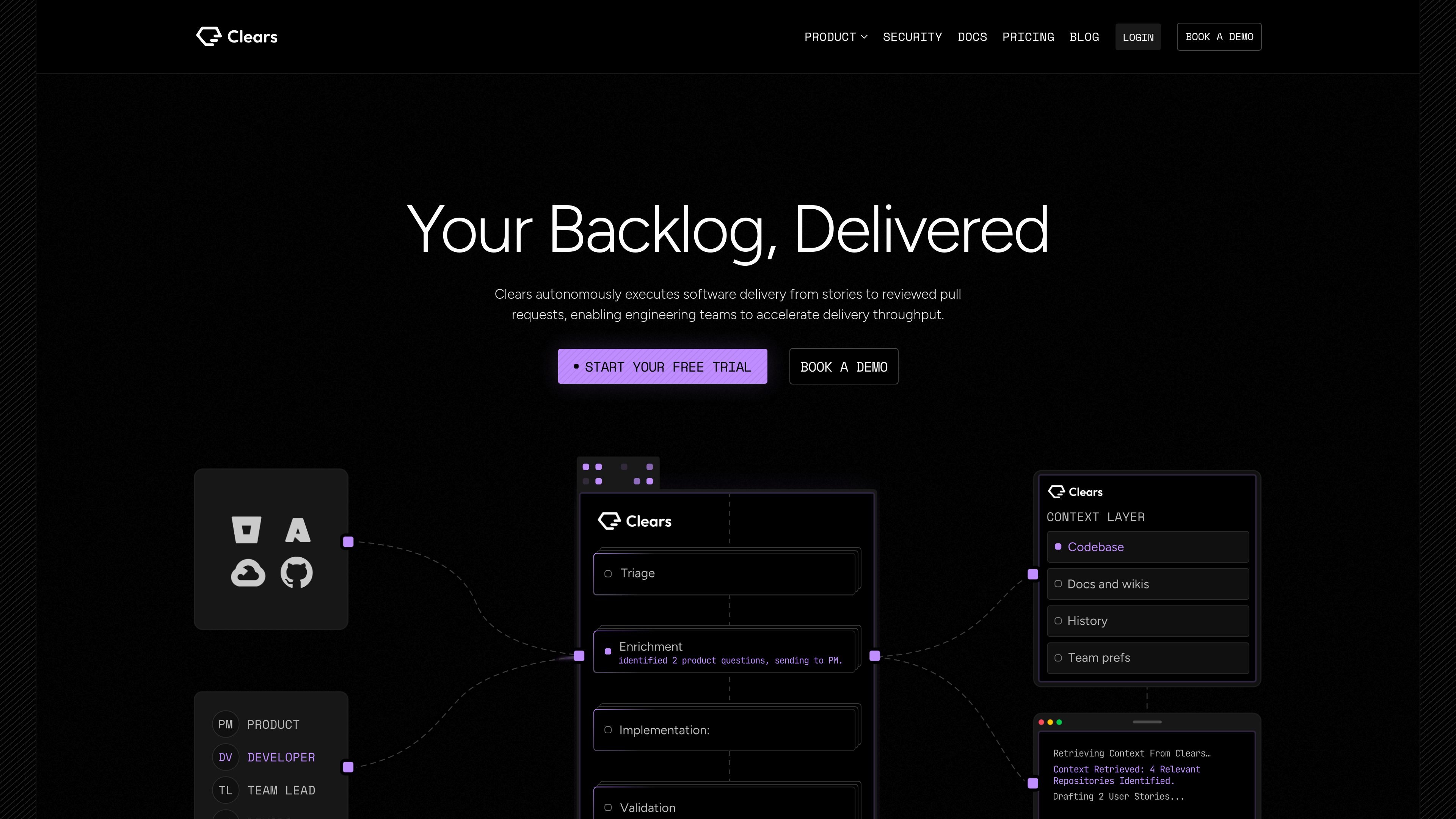

Clears is an AI execution layer for engineering teams that turns stories into reviewed pull requests across linked repositories. It supports agentic workflows, background triage, and visible task tracking across common delivery tools.

xpander.ai is a browser-based AI agent workspace for operational analysis and task execution. It shows named agents for workflows like pipeline review, reporting, triage, and follow-up coordination.
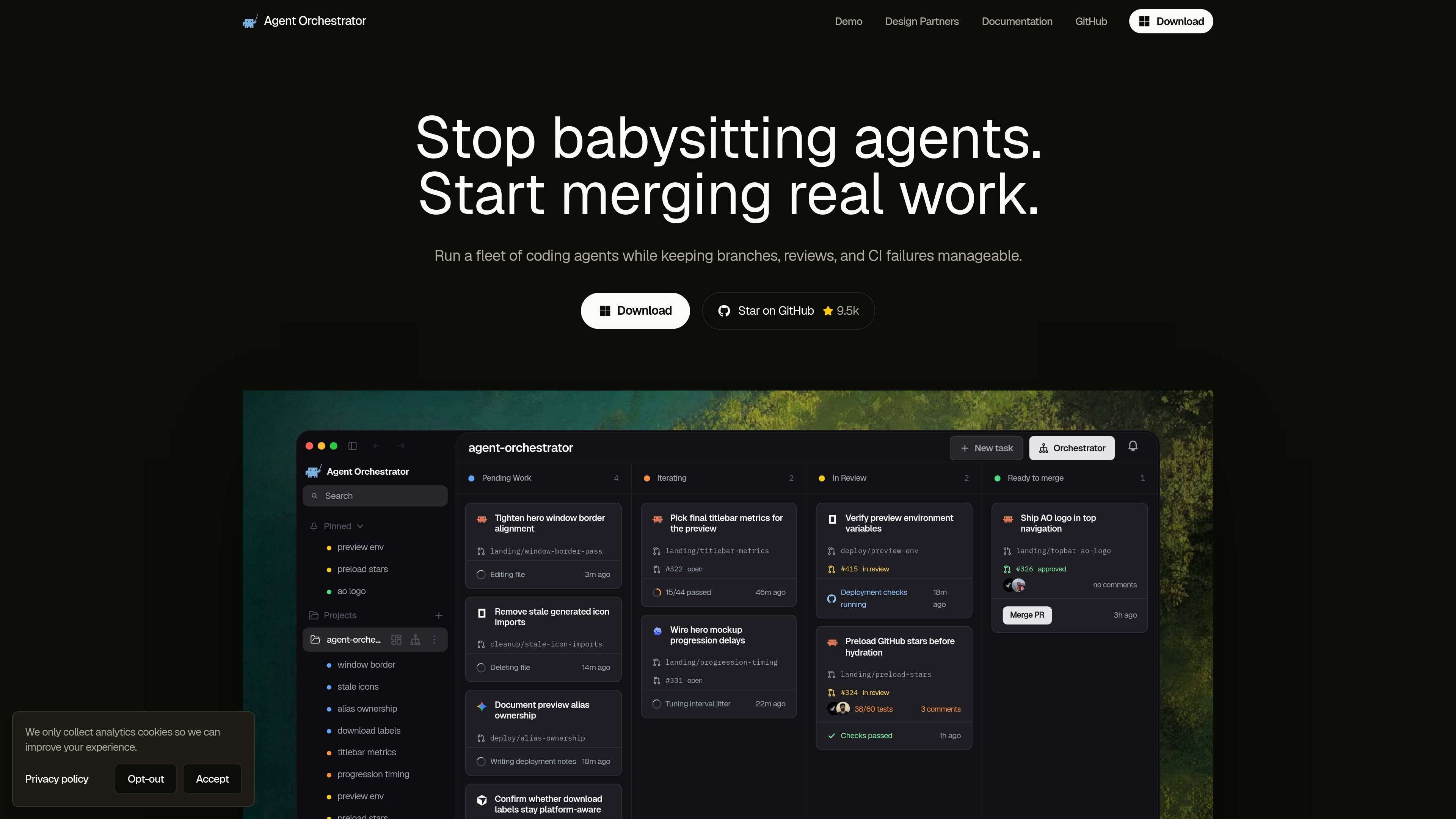

Agent Orchestrator is a desktop IDE for supervising AI coding agents, keeping their workspaces, pull requests, CI, and review feedback organized in one place. It is free and open source under Apache 2.0.
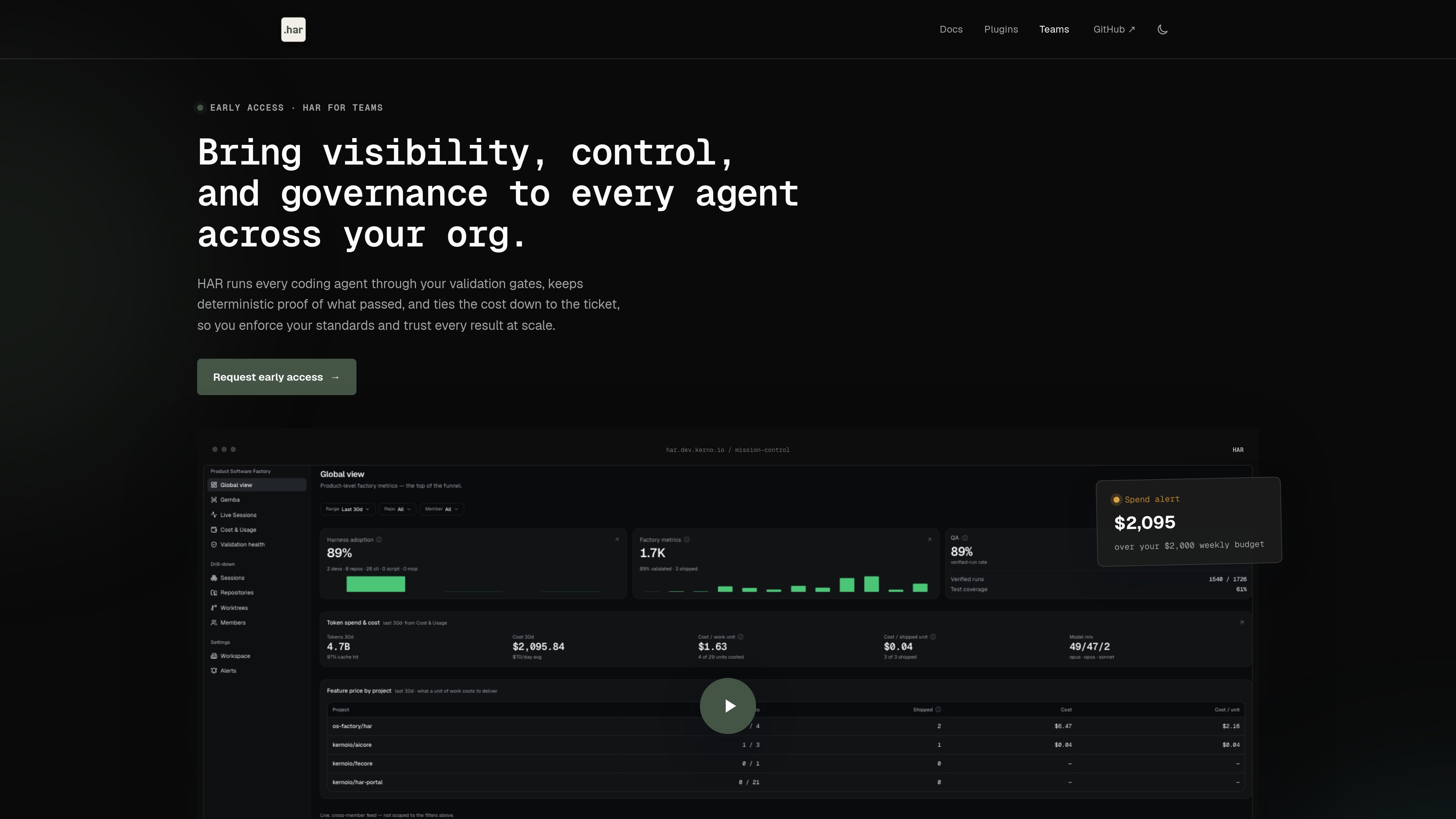
HAR for teams is a shared control layer for running coding agents across an organization, with Mission Control for visibility, cost attribution, and governance. It helps teams verify runs, track spend to the ticket, and manage access across shared workspaces.