
Character consistency across scenes
Avatar V is built to keep the same face, micro-expressions, and presence across multiple scenes, angles, and longer outputs so the avatar does not drift from the recorded identity.

HeyGen Avatar V creates a digital twin from a 15-second webcam video and generates talking avatar videos with consistent identity, natural motion, and voice.
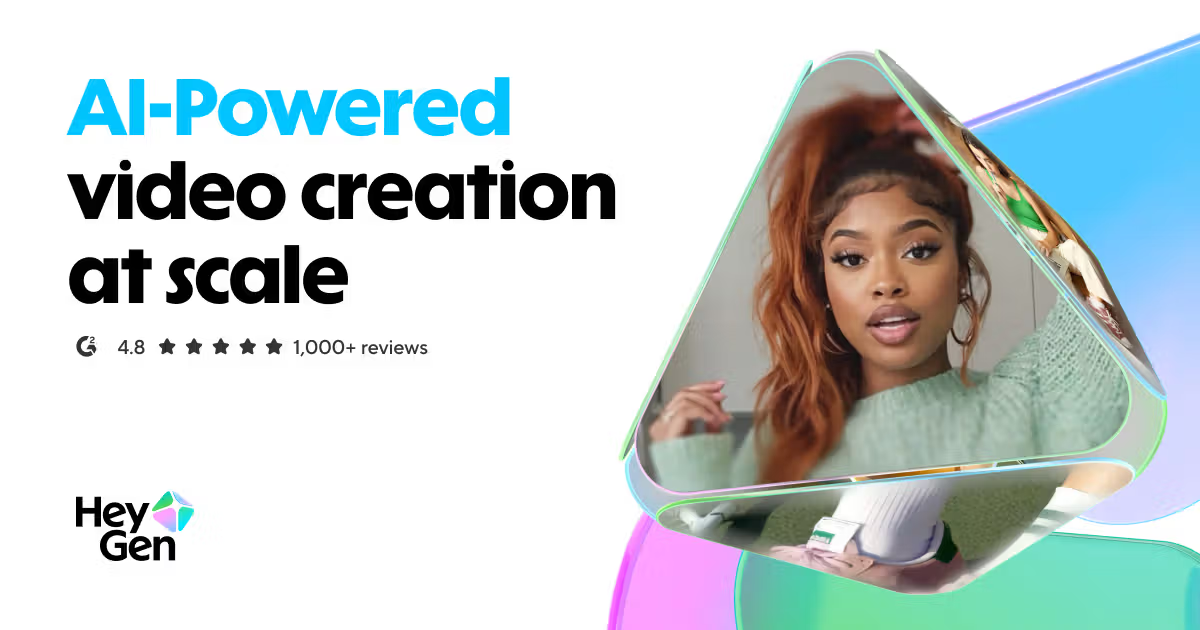
Avatar V is HeyGen’s AI digital twin avatar generator. It creates talking avatars from a short reference video and is designed to keep the same identity, motion, and voice consistent across different scenes, camera angles, and long-form outputs.
The product page positions Avatar V as a more advanced avatar model than earlier photo-based or single-frame systems. Users record a 15-second webcam clip once, then generate videos in new settings, outfits, and formats without re-capturing the original identity.
HeyGen says Avatar V supports 175+ languages and dialects, and the page emphasizes character consistency, natural gestures, and accurate lip sync as the main reasons to use it for scalable video creation.
Avatar V is built to keep the same face, micro-expressions, and presence across multiple scenes, angles, and longer outputs so the avatar does not drift from the recorded identity.
The product starts from a short webcam recording and separates identity from appearance, allowing the same captured identity to be reused in different settings, outfits, and backgrounds.
The page states that lip sync is accurate at the phoneme level in 175+ languages and dialects, which supports localized output without changing the underlying avatar identity.
Avatar V supports wide shots, medium frames, and close-ups while keeping the avatar visually coherent, which makes the output usable across different video formats.
The model emphasizes dynamic scenes, including upper-body motion, responsive gestures, and facial expression accuracy, rather than only animating a static portrait.
The research page describes a full video context window, sparse reference attention, and a multi-stage training pipeline designed to preserve identity and reduce drift in generated video.
Create training modules and onboarding videos once, then update or extend them without reshooting each lesson. Avatar V is positioned to keep the same presenter identity across the library.
Record a prospecting message once and reuse the avatar for outreach at scale. The consistency focus is useful when the same person needs to appear across many sales videos.
Produce one version of a message and localize it into 175+ languages and dialects while keeping the same on-screen presenter. This is the clearest fit for teams reaching multiple regions.
Publish recurring commentary or explainers without needing to schedule repeated recording sessions. The product page frames Avatar V as useful when a creator wants their own face and voice to stay consistent across outputs.
Generate different camera framings, scenes, and outfits from one identity capture. This supports teams that need a single digital presenter for multiple video formats.
Avatar V is HeyGen’s most advanced AI avatar model. It creates a digital twin from a short webcam recording and is designed to preserve identity, motion, and voice across generated videos.
The source page says you can create an avatar from a 15-second webcam recording. The model then lets you generate videos in different scenes, outfits, and settings without re-recording the original identity capture.
Avatar V is positioned for training and onboarding content, sales enablement, localization, and thought leadership. The page also shows that it supports videos in 175+ languages and dialects.
The page describes Avatar V as using a full video context window, with cross-scene generation, consistent identity, and phoneme-level lip sync across supported languages. The research page adds that the system is built from a video reference and a driving audio signal.
The pricing page shows HeyGen offers a free plan starting at $0/month alongside paid plans. The Avatar V page itself does not provide separate Avatar V pricing details.

Wallie is an open-source AI streamer that watches your screen, hears chat, and delivers live commentary in a configurable persona. Runs locally with your own keys.

Official HeyGen API docs for AI avatar videos, video translation, lipsync, and interactive video-agent sessions via API, MCP, and CLI workflows.

VIDEOAI.ME is an AI video generator for spokesperson videos, ads, explainers, and social content from a script without filming.

Wisry is an AI advertising studio for ecommerce brands that researches competitor ads, creates evidence-backed campaigns, and generates static and video creatives.

艺映AI is a free AI video creation tool for text-to-video, image-to-video, and video-to-video creation for short social and promo clips.

Clipia.ai is an AI image and video generation platform for presentations, agent workflows, and developer integrations, with shared credits.