

Famnest
Famnest is a privacy-first family organizer app to manage shared schedules and household essentials like health and bills in one place.
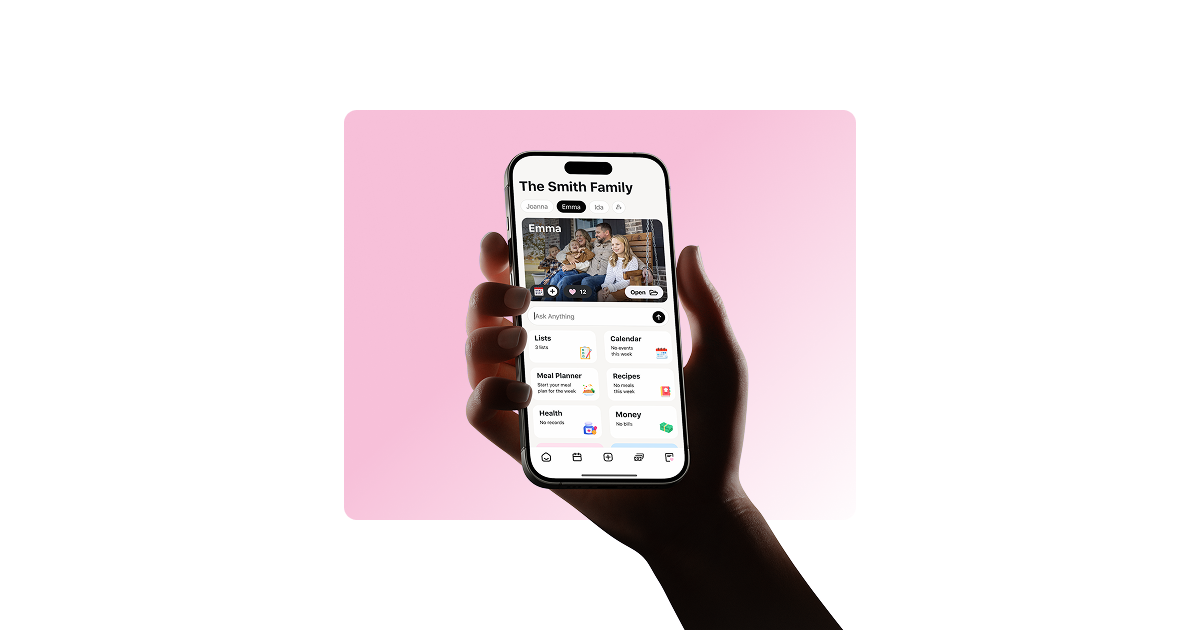
What is Famnest?
Famnest is a privacy-first family organizer app designed to help families manage day-to-day life in one place. It focuses on organizing shared schedules and household planning while also bringing related essentials—such as health and bills—into a single, accessible workflow.
The app is presented as a “calm and surprisingly powerful” way to keep a household aligned, with an emphasis on transparency about data use and on security and respect for user privacy.
Key Features
- Privacy-first approach for family information, with a stated commitment to keeping family data private and safe.
- Transparency principle: users are positioned to understand how their data is used via the Privacy Policy and related documentation.
- Security-first messaging: the product describes safeguarding “your family’s information” as a core principle.
- Family organization in one place, intended to consolidate schedules and household-related items (including health and bills).
- Built-in sharing for household planning, including the ability to share schedules between partners.
- Guided by explicit trust principles (“Transparency,” “Security,” and “Respect”) that are tied to the product’s privacy framing.
How to Use Famnest
- Install or open the Famnest app and review the privacy-related materials (Privacy Policy and terms) to understand how your data is handled.
- Set up your family’s organizing space by adding key items you want to keep in one place—starting with family schedules.
- Add other household essentials mentioned on the site (such as health and bills) so they can be managed alongside scheduling.
- Share relevant information with your partner (for example, schedules) so everyone can stay aligned.
Use Cases
- Coordinating weekly schedules for a household: keep appointments and activities organized so the week feels more manageable.
- Sharing schedules between partners: reduce back-and-forth by placing shared planning in one place.
- Managing recurring household responsibilities: track items like bills alongside other planning so household admin doesn’t get separated across apps.
- Organizing family health information: keep health-related details within the same family organization space described by the app.
- Bringing structure to a busy family routine: centralize tasks and schedules so family planning doesn’t rely on memory or scattered notes.
FAQ
Is Famnest a privacy-first app? Yes. The site emphasizes “privacy-first” operation and states that family data stays yours, with transparency and security as guiding principles.
What kinds of information can Famnest help organize? Based on the site copy, Famnest is positioned for managing schedules and household essentials such as health and bills, in one place.
Can Famnest be used by more than one person in a household? The site explicitly references sharing schedules between partners, indicating multi-person household use for coordination.
Where can I read about privacy and data use? The site links to a Privacy Policy and related policies (including terms and cookies policy).
Does the app provide AI-related transparency? The site includes an “AI Transparency” policy page, but details of the AI capabilities are not provided in the supplied content.
Alternatives
- Family scheduling and organizer apps: Alternatives in this category typically focus on shared calendars and reminders; they may not centralize household items like health and bills to the same extent.
- Household task and reminder tools: These focus on to-dos, routines, and assignments. Compared with Famnest, they may be stronger for task lists but less focused on consolidated schedule + household essentials.
- Personal information managers: Tools that help store documents, checklists, and notes can substitute for “one place” organization, but they may require more manual setup to share plans between family members.
- Spreadsheet- or note-based household trackers: Families can use shared spreadsheets or note apps to manage schedules and bills; the tradeoff is more maintenance and less structured coordination than a dedicated organizer app.
Alternatives

Open Wearables
Open Wearables is an open-source, self-hosted wearable API and health intelligence platform turning wearable data into open health scores and AI reasoning.

KarmaBox
KarmaBox is an iPhone-based sovereign AI foundry that orchestrates multiple agents and skills with persistent memory and continuous execution on-device.

UXPin Forge
UXPin Forge is an AI design assistant that generates UI from your real React components and exports production-ready JSX for refinement.

Netlify Database
Netlify Database is a zero-config, fully managed Postgres on Netlify with automated migrations and deploy preview branching for isolated testing.

CodeHealth™ MCP Server
CodeHealth™ MCP Server from CodeScene helps AI coding assistants detect and fix code health issues in real time using CodeHealth™ guidance.

Dreambase
Dreambase provides AI-native intelligence for Supabase—connect once, scan your schema, and generate dashboards, trends, and insights from your database.