

Build E-Commerce
Build E-Commerce: zero-development, no-code platform to launch D2C websites or multi-vendor marketplaces with free hosting, streamlined setup & 24/7 support.
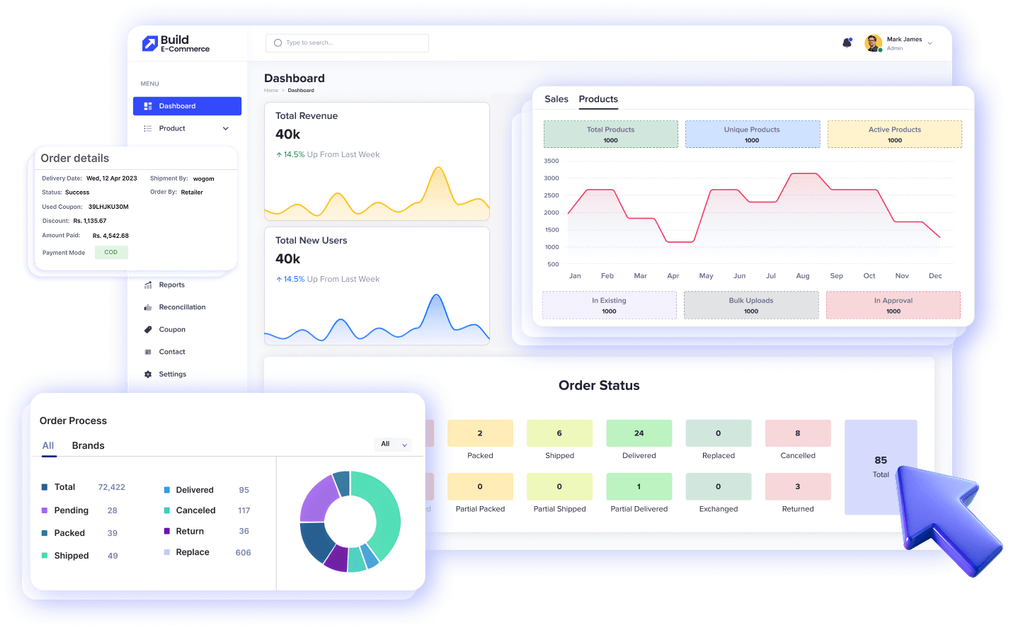
What is Build E-Commerce?
Build E-Commerce (buildecommerce.app) is a fully-ready e-commerce platform aimed at launching D2C websites or multi-vendor marketplaces. It provides an end-to-end commerce foundation that covers storefront and marketplace operations, intended to reduce development and server setup requirements through a subscription-based offering.
The platform is positioned to support performance-first storefront builds, headless-ready flexibility for front-end control, and long-term scaling from single-seller catalogs to multi-seller marketplace workflows. It also includes operational areas such as inventory control, seller onboarding, product and price management, payment handling, shipping setup, and analytics.
Key Features
- Zero development/server cost approach (as described on the site): Designed to launch a D2C website or a multi-vendor marketplace on a simple subscription plan with free hosting, setup, and 24/7 support.
- Performance-first storefront foundation: Emphasizes clean, lightweight builds for responsive pages and a smooth browse-to-checkout shopping journey.
- Headless commerce-ready approach: Supports front-end freedom to control the customer experience and iterate on UI without being constrained by theme limitations.
- D2C and marketplace operations in one system: Provides core capabilities for selling, conversion, and growth, with structure intended to support new flows and future upgrades (e.g., mobile app when ready).
- SEO-friendly and campaign-ready pages: Includes clean page structure for organic discovery, launchable campaign pages (offers, collections, landing pages), and consistent content across the storefront.
- Seller and product management for marketplaces: Guided seller onboarding, integrated KYC verification workflow, and advanced tax management with support for multiple GSTINs per seller.
- Inventory control for multi-warehouse and multi-seller listings: Hierarchical category management, category-level attributes/specifications, HSN code and tax mappings, and seller-wise inventory across multiple warehouses.
- Pricing and payment and checkout workflow controls: Quick price updates, promotions/pricing variations, multiple payment modes, and a checkout flow designed to reduce drop-off.
- Shipping setup for marketplace operations: Shipping flow configuration and early delivery communication to reduce buyer confusion.
- 24/7 support for urgent changes: Ongoing help when adjustments are needed.
How to Use Build E-Commerce
- Start a project for your sales model (D2C or multi-vendor marketplace) and use the platform’s streamlined setup to get an operational storefront.
- Configure storefront pages for discovery and campaigns using the included SEO-friendly structure and campaign-ready page types.
- Set up seller and product operations: enable seller onboarding, run KYC verification workflow, configure tax handling for sellers, and prepare warehouses/fulfillment setup.
- Manage products, variants, and pricing with category-based attributes/specifications and variant/price variant management, including quick updates and promotions.
- Configure checkout and fulfillment: choose supported payment modes, define shipping flows, and use the platform’s analytics/invoice-related components for ongoing management.
Use Cases
- Launch a D2C storefront: Use the SEO-friendly foundation, campaign-ready pages (offers/collections/landing pages), and performance-first storefront build to sell directly to customers.
- Run a multi-vendor marketplace with guided onboarding: Enable vendors to join through step-by-step onboarding and complete an integrated KYC verification workflow.
- Manage seller-specific taxes and catalog governance: Configure multiple GSTINs per seller and support centralized brand management with admin approval/governance.
- Operate inventory across multiple warehouses: Allow each seller to manage inventory per warehouse, keep category attributes/specifications consistent, and control seller-wise stock levels.
- List one product across multiple sellers with differing stock and pricing: Support multiple sellers listing the same product while maintaining seller-specific stock and pricing, including variant and size-wise pricing.
FAQ
-
Is Build E-Commerce meant for D2C stores, marketplaces, or both? The site describes support for launching both D2C websites and multi-vendor marketplaces.
-
Does the platform support headless commerce workflows? The content states the platform is “headless-ready,” with front-end freedom and faster UI iteration.
-
What marketplace onboarding and verification features are included? The platform includes guided seller onboarding and an integrated KYC verification workflow for sellers.
-
How does inventory management work for marketplaces? The platform supports category management and seller-wise inventory across multiple warehouses, including managing stock levels and product listings across sellers.
-
Is help available after setup? Yes—24/7 support is mentioned, including help when urgent changes are needed.
Alternatives
- General-purpose website builders with e-commerce add-ons: Useful if you only need a storefront and want simpler setup, but marketplace-grade seller/inventory workflows may require additional tooling.
- Headless commerce stacks (front-end + separate commerce backend): Better fit when you already have a custom front end and want maximum UI control, but you may need more engineering effort than a ready-to-launch platform.
- Marketplace-focused platforms: If your primary goal is vendor onboarding and multi-seller operations, a dedicated marketplace product may offer a workflow optimized specifically for seller management.
- Traditional monolithic e-commerce platforms: These can simplify standard online store needs, while marketplace multi-vendor operations and advanced seller governance may depend on available features or add-ons.
Alternatives

Make Real
Draw a UI and make it real using the tldraw SDK.

Lasso
Lasso is an AI-first PIM for ecommerce teams that enriches product attributes and descriptions, processes supplier data, and monitors competitors via app or API.

DailyPlay.ai
Turn passive visitors into loyal customers with DailyPlay.ai—create personalized, data-driven mini games built for your brand’s engagement goals.

Prompty Town
Prompty Town is a tiny internet city of links—buy a tile, attach your link, prompt it with text/content, and let others browse.

beehiiv
beehiiv is an all-in-one newsletter and website platform with publishing, growth, analytics, and monetization tools for creators and brands.

EchoTik
EchoTik is a TikTok e-commerce data analysis platform designed to assist sellers and e-commerce creators in making data-driven decisions for product selection and market analysis.