
Style references
Guide the model with one or more reference images to influence style, palette, texture, and composition without having to describe every visual detail in text.

Krea 2 is Krea AI’s in-house AI image model for expressive image generation with style control, moodboards, and reference-based creative direction.
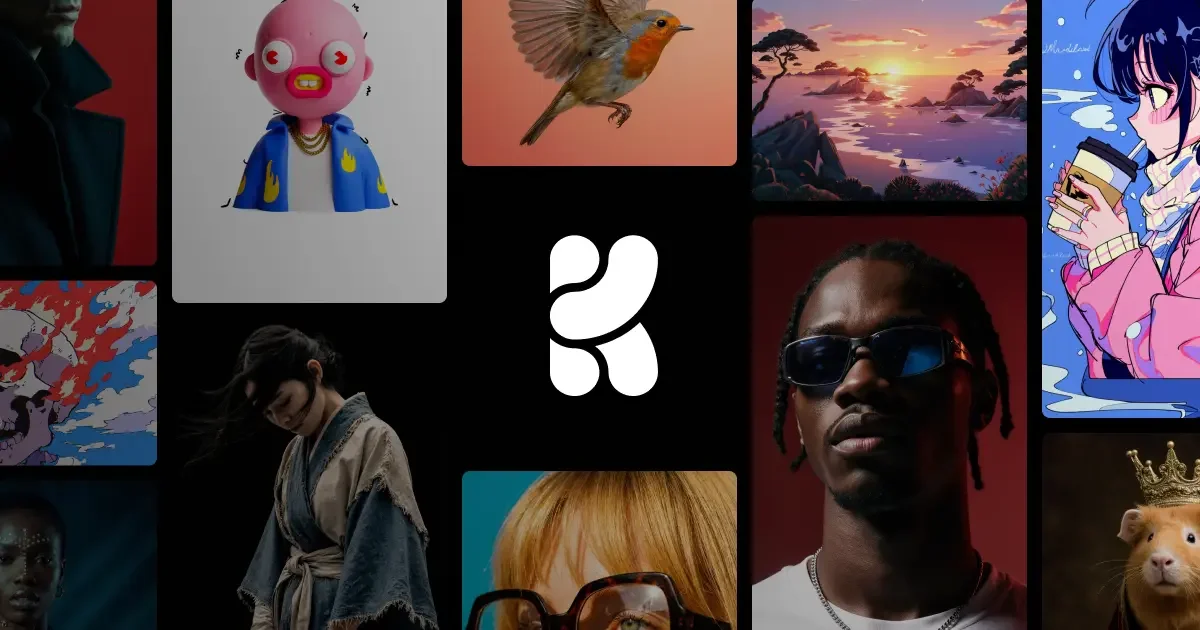
Krea 2 is Krea AI's in-house AI image foundation model for generating expressive images with aesthetic diversity and style control. The product page presents it as a model built to understand visual taste, not just text prompts, and to help creators shape outputs with references and moodboards.
The model is positioned for creative workflows where direction matters: campaign concepts, product imagery, editorial art direction, brand exploration, and fast iteration. Krea also says the model is built from scratch and that outputs can be generated in 15 seconds or less on the product page.
Guide the model with one or more reference images to influence style, palette, texture, and composition without having to describe every visual detail in text.
Curate a collection of images to express broader visual direction when a single reference is not enough for the look you want.
Generate images with an emphasis on aesthetic variety rather than repeating the same interpretation for every prompt.
Adjust the model's creative interpretation to add more depth, richness, or restraint depending on the direction you want to explore.
Use the API with partner access through Fal, Comfy, Runware, and support for Nous Research's Hermes, with docs also mentioning Claude, OpenClaw, and Codex support.
Choose between Medium and Large variants depending on whether you want faster, more stable generations or a larger model with a rawer, more textured output style.
Develop campaign directions, product mockups, and brand visual explorations where the team needs multiple looks before settling on a final concept.
Generate editorial-style imagery or art direction studies that need a specific mood, palette, or texture rather than a generic prompt response.
Explore character, environment, or concept art directions for games and entertainment projects, especially when early ideas are still fluid.
Build on-brand visuals faster by using references and moodboards to test several creative directions before production work begins.
Use the API to integrate Krea 2 into automated or partner-based workflows when teams want direct model access rather than only the web experience.
Krea 2 is Krea AI's in-house AI image foundation model for generating expressive images with stronger aesthetic diversity, style references, moodboards, and creative control.
Krea 2 is built around visual taste and style control. Instead of depending only on longer prompts, creators can guide outputs with moodboards and style references.
Creative teams can use Krea 2 for campaign concepts, product imagery, brand exploration, editorial art direction, game and entertainment concepts, and fast visual iteration.
Yes. Krea 2 is designed to work with moodboards and style references, letting users guide the model toward a specific visual language, palette, texture, or composition style.
Krea 2 was announced on May 12, 2026 as Krea AI's first foundation image model built completely from scratch.
PixelDrive is a bulk image generation API for on-brand images from one template via browser editor, REST API, CSV batch, or MCP.

Napkin AI turns text into editable visuals for presentations, documents, and shareable content. Text-first generation, collaboration, and export to PPT, PNG, SVG, or PDF.

Kling AI is an AI creative studio for generating and editing images and videos, with web, mobile, and API access for creators and developers.

Skybox AI by Blockade Labs creates 360° skyboxes and environments for games, XR, film, education, architecture, and production workflows.

The AI painting generator is an online AI-powered software that automatically creates artwork based on text descriptions provided by users.

An All-In-One AI Platform that combines tools for image, video, voice, writing, and chat to enhance creativity and collaboration.