
Loading...
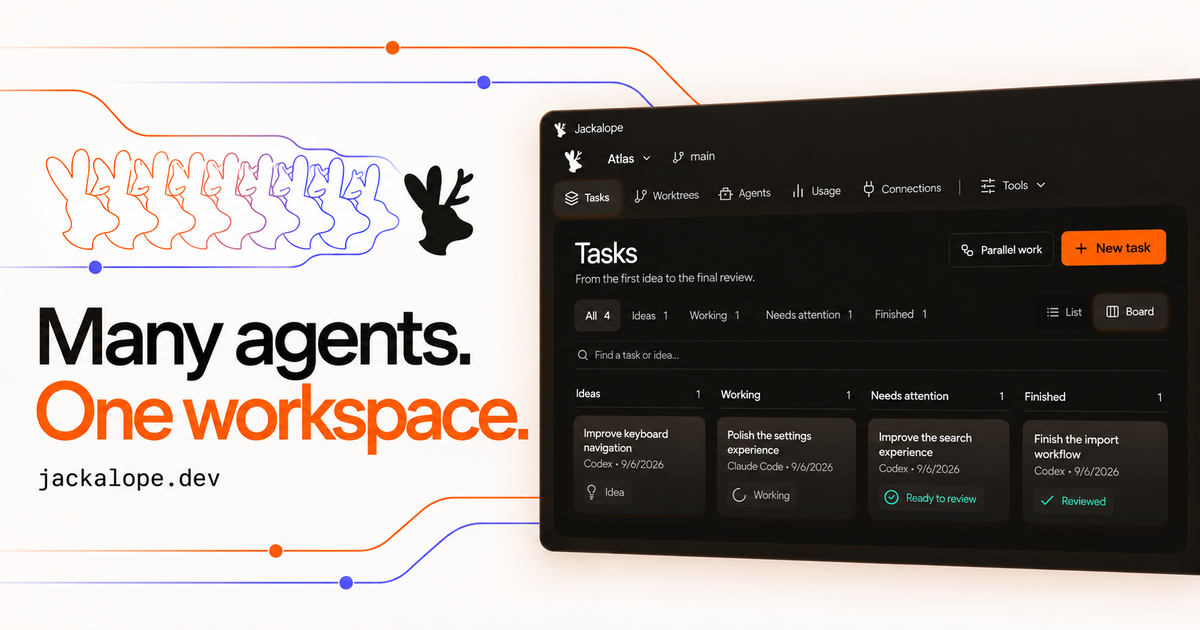

Jackalope is a desktop workspace for running Codex, Claude Code, Grok, OpenCode, Kimi Code, and Antigravity coding agents in parallel Git worktrees. It helps developers carry project context across tasks, use connected tools, and review related changes together; users provide their own agent CLIs and provider accounts.
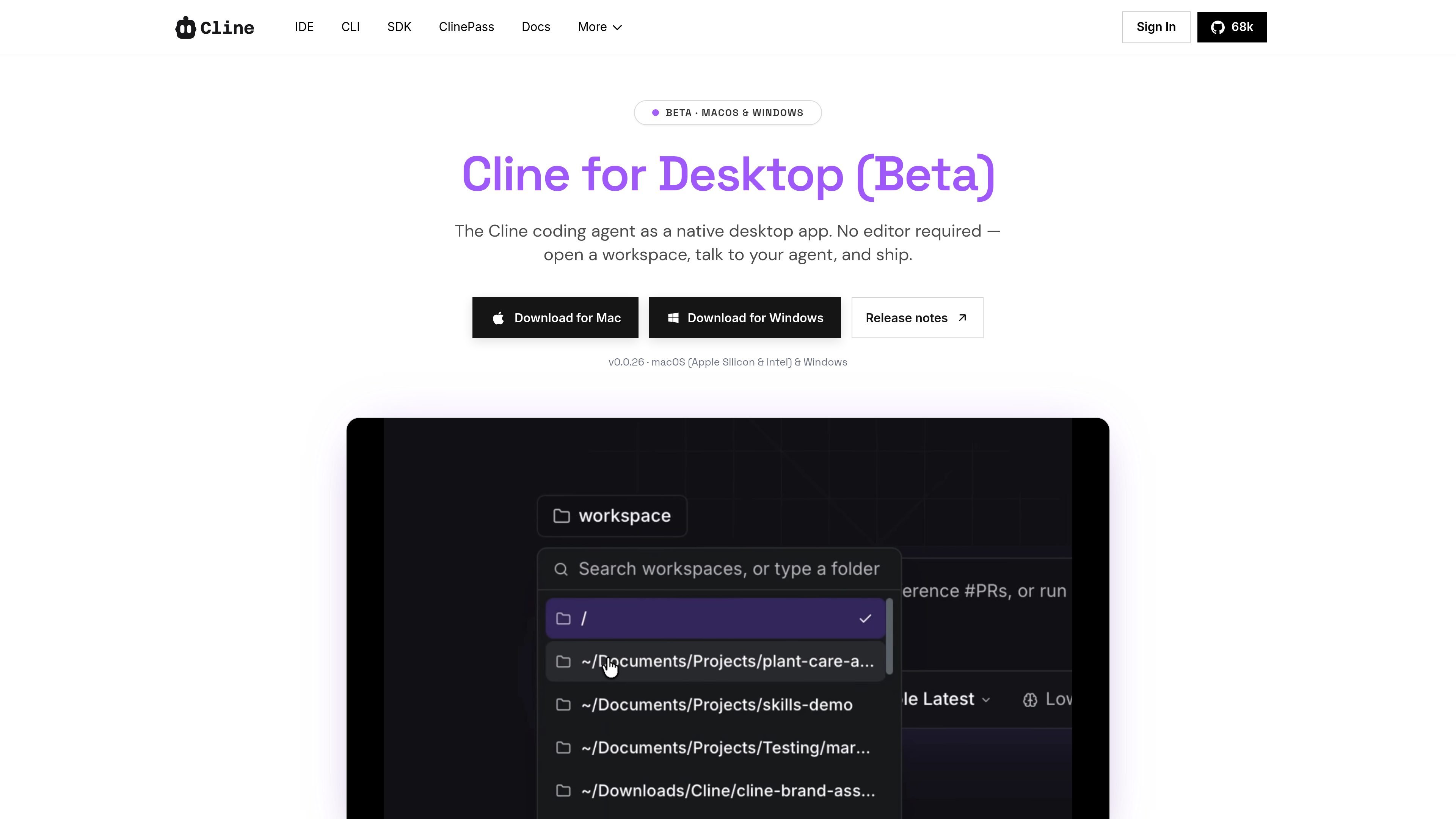

Cline for Desktop is a native macOS and Windows app for using the open-source Cline coding agent in standalone workspaces. It helps developers read, edit, and run code without an attached editor, while supporting multiple model providers, queued instructions, and revisable sessions.
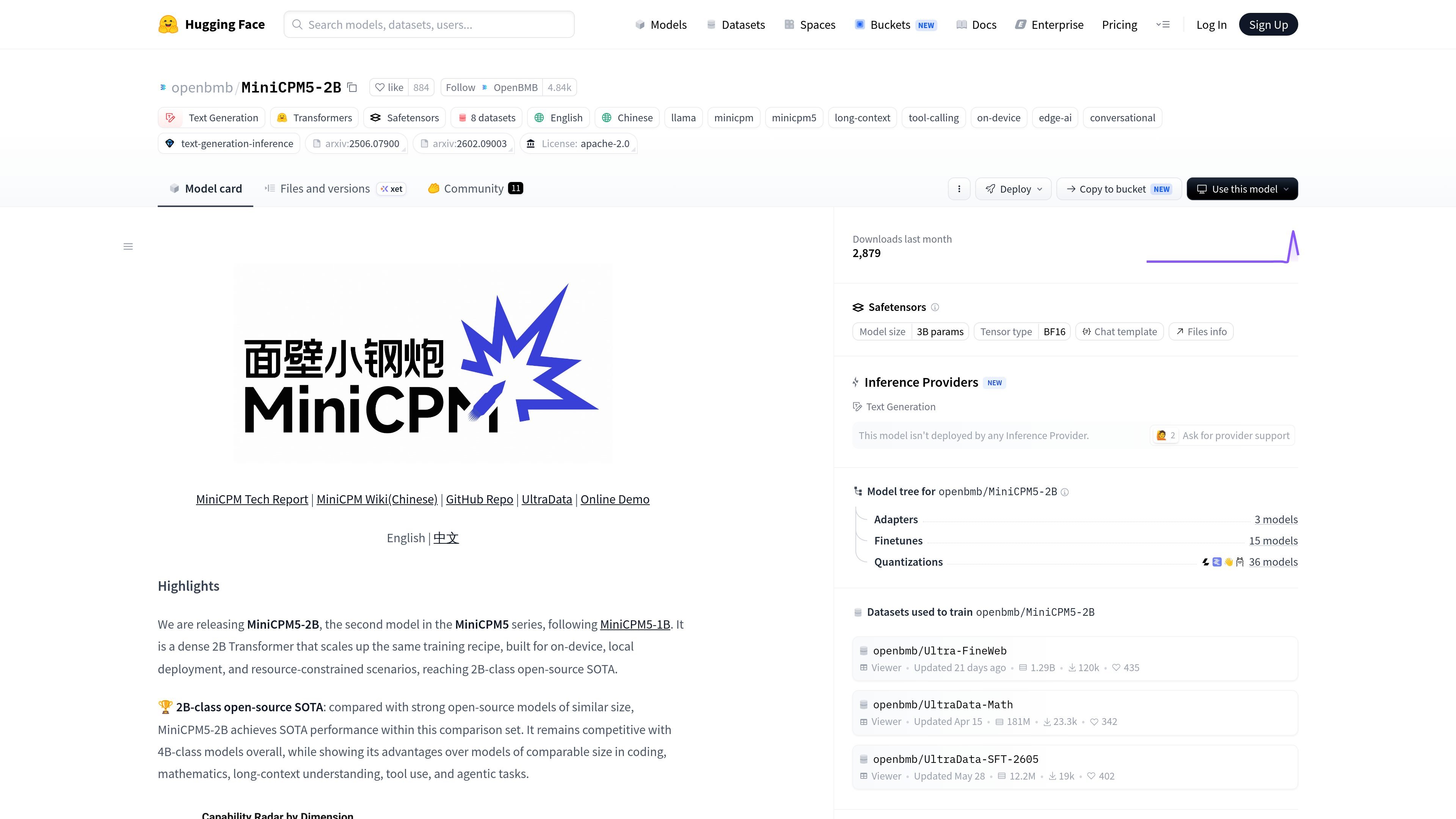

MiniCPM5-2B is a compact 2B-class causal language model for local assistants, coding agents, tool-use workflows, long-context text processing and reasoning tasks. It is designed for on-device and resource-constrained deployment and supports a native 131,072-token context length.
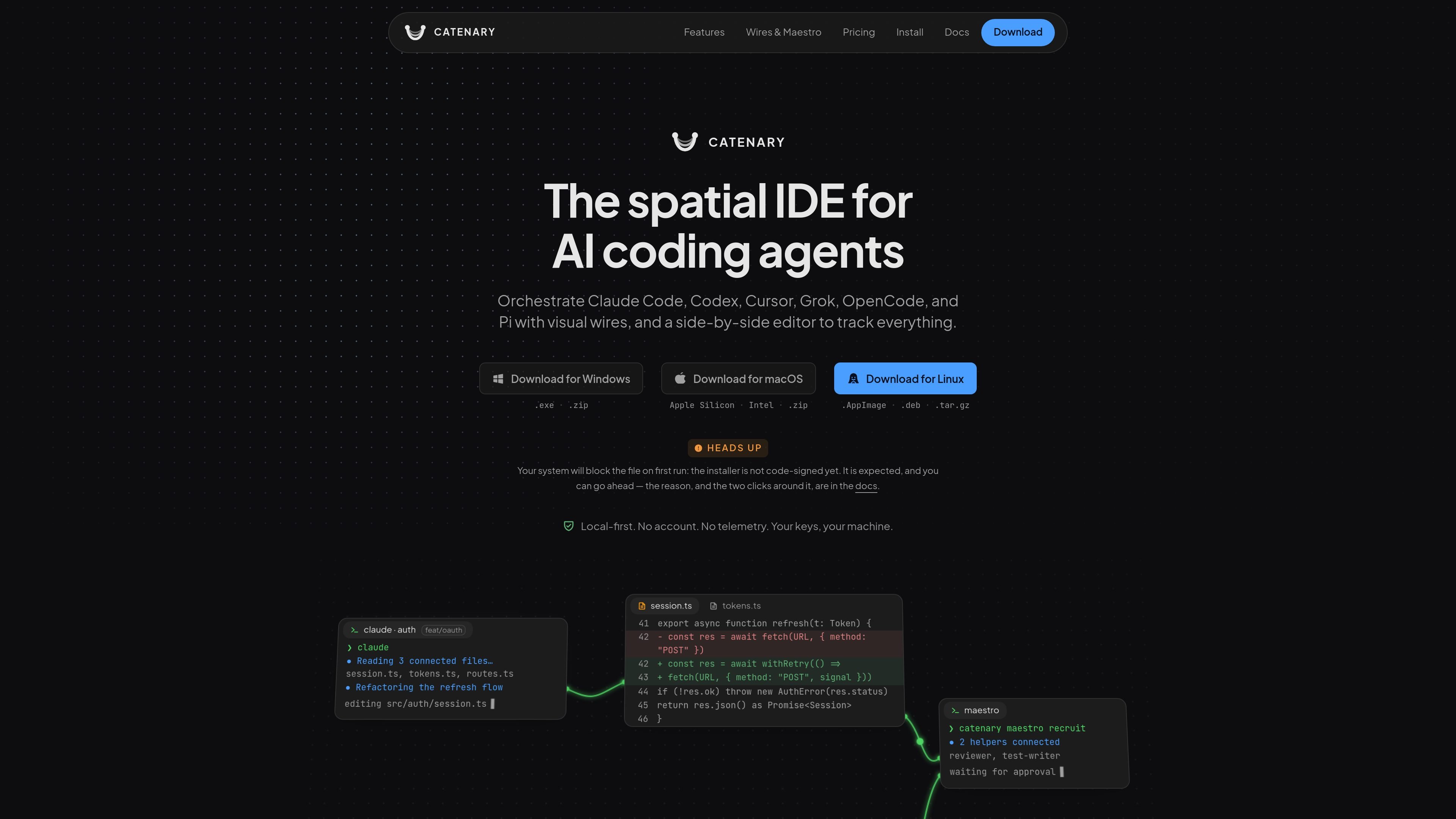

Catenary is a local-first desktop IDE for arranging AI coding agents, terminals, editors, browsers, and git worktrees on a shared visual canvas. It helps developers run parallel tasks, pass context between agents, review diffs, and supervise multi-agent workflows.
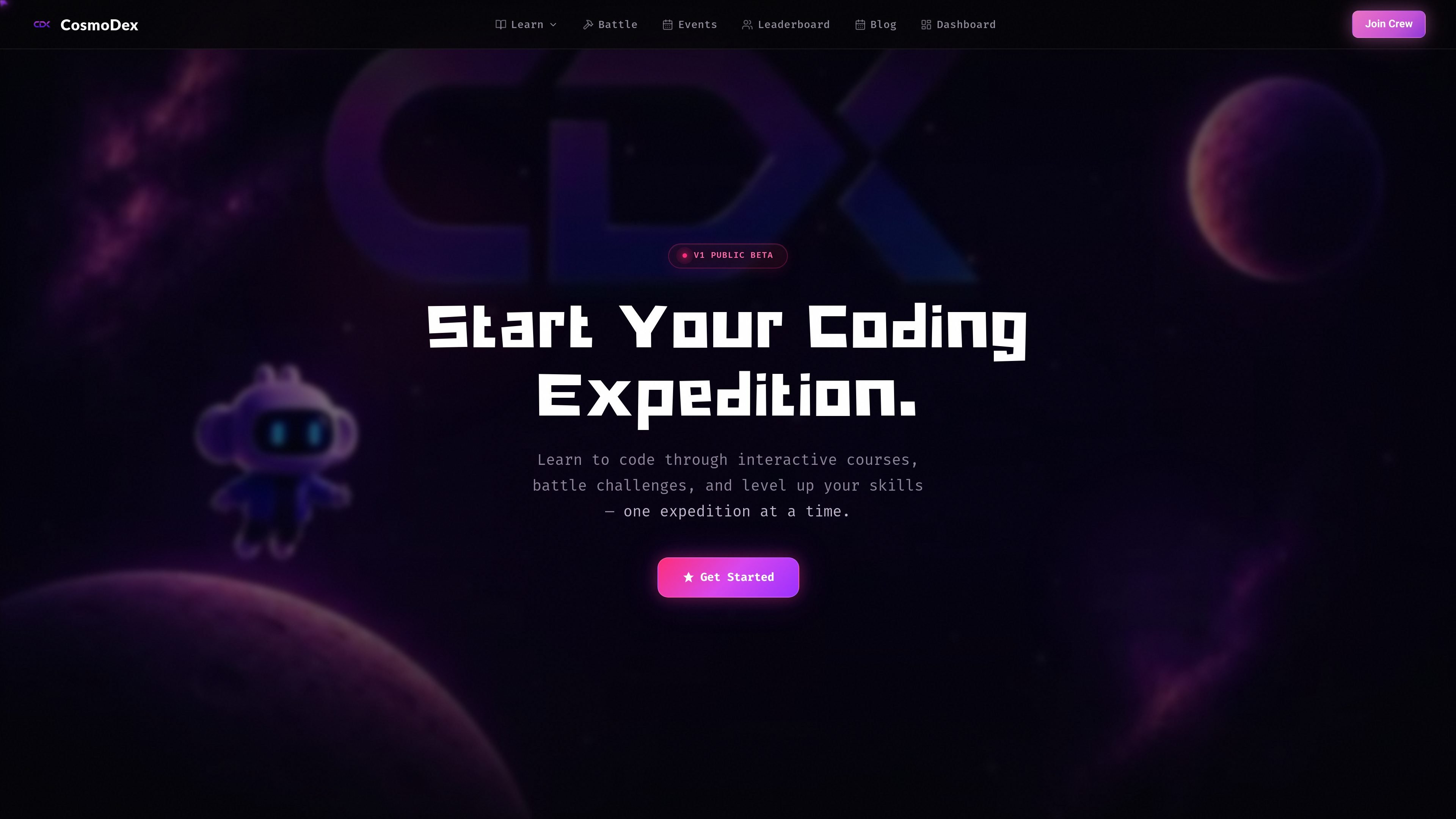

CosmoDex is a gamified coding platform for students and developers that combines interactive courses, coding practice, and 1v1 Space Battles. It adds XP-based progression, league ranks, and optional AI code review features.
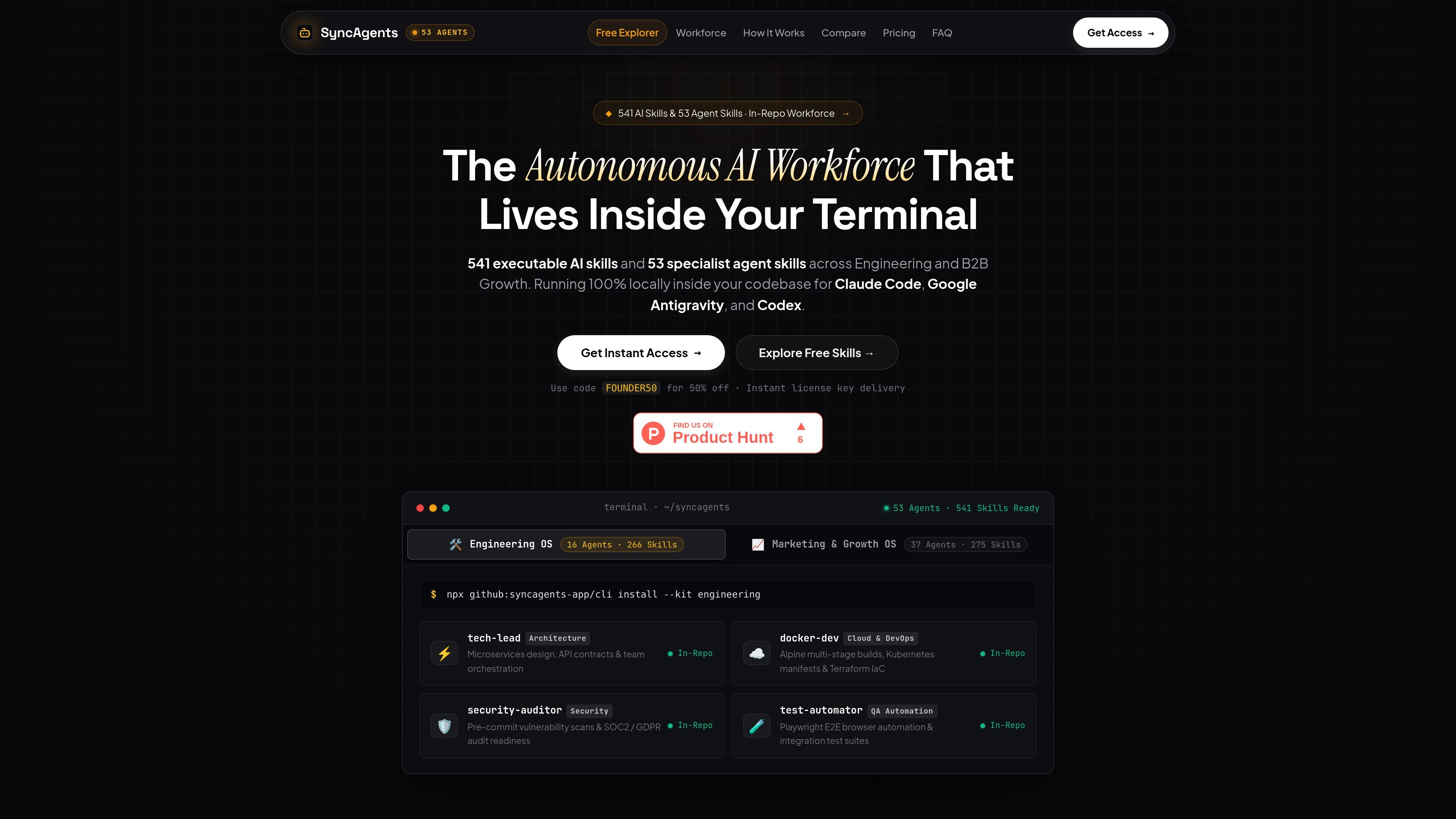

SyncAgents is a local library of AI skills and specialist agent playbooks for Claude Code, Google Antigravity, and Codex. It helps technical founders and teams run engineering, security, SEO, content, and growth workflows from inside their own repository.

Context Goblin is an AI code reviewer for GitHub pull requests that adds call-graph and cross-repository context before writing a review. It helps teams catch issues that depend on how services, files, and external knowledge sources are connected.
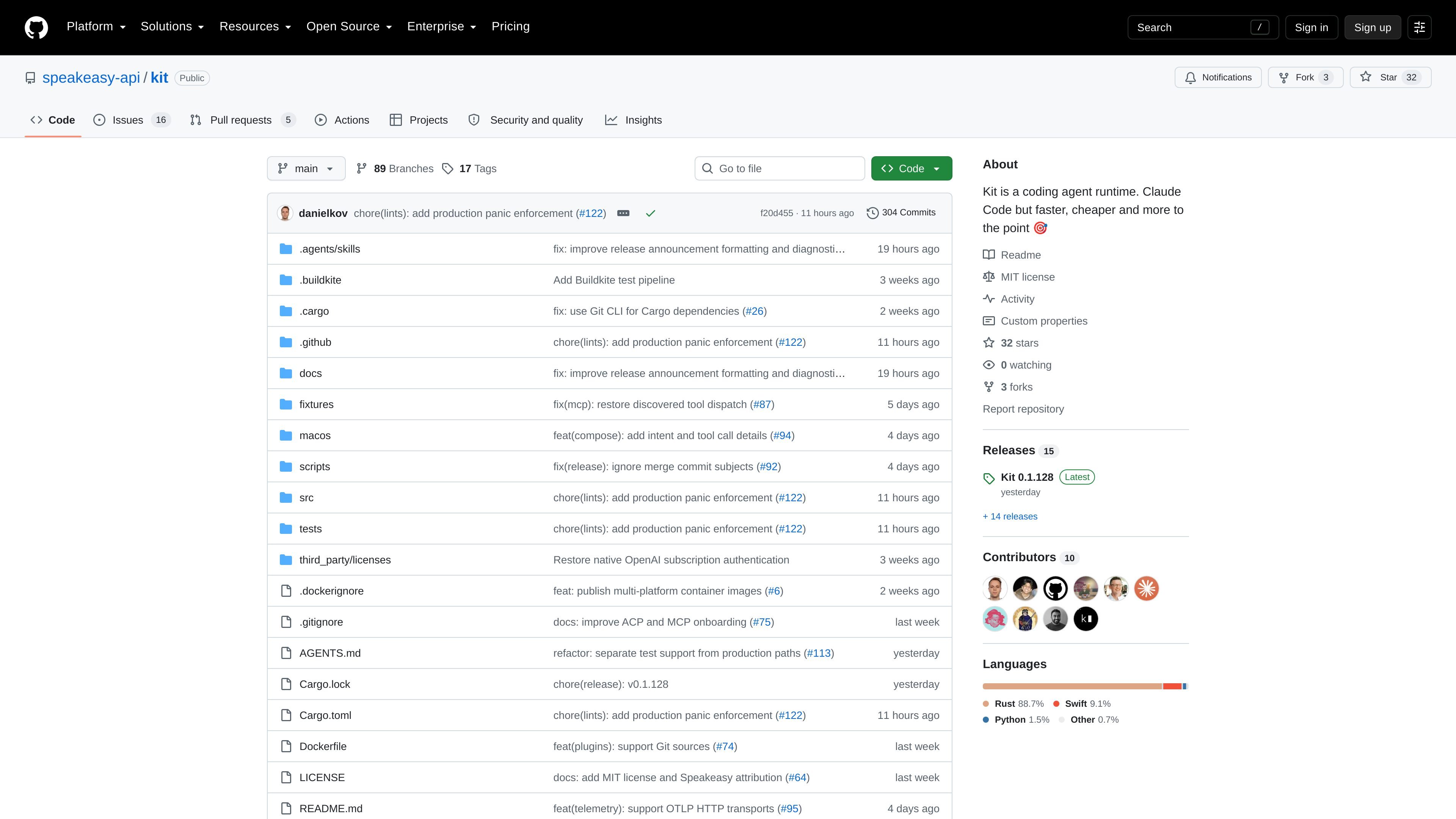

Kit is a coding agent runtime for developers who want a single-tool agent workflow in the terminal or through compatible editors. It supports ACP, A2A, and MCP, with long-running sessions, subagents, and model/provider choice through OpenAI, OpenRouter, or the Speakeasy AI Control Plane.
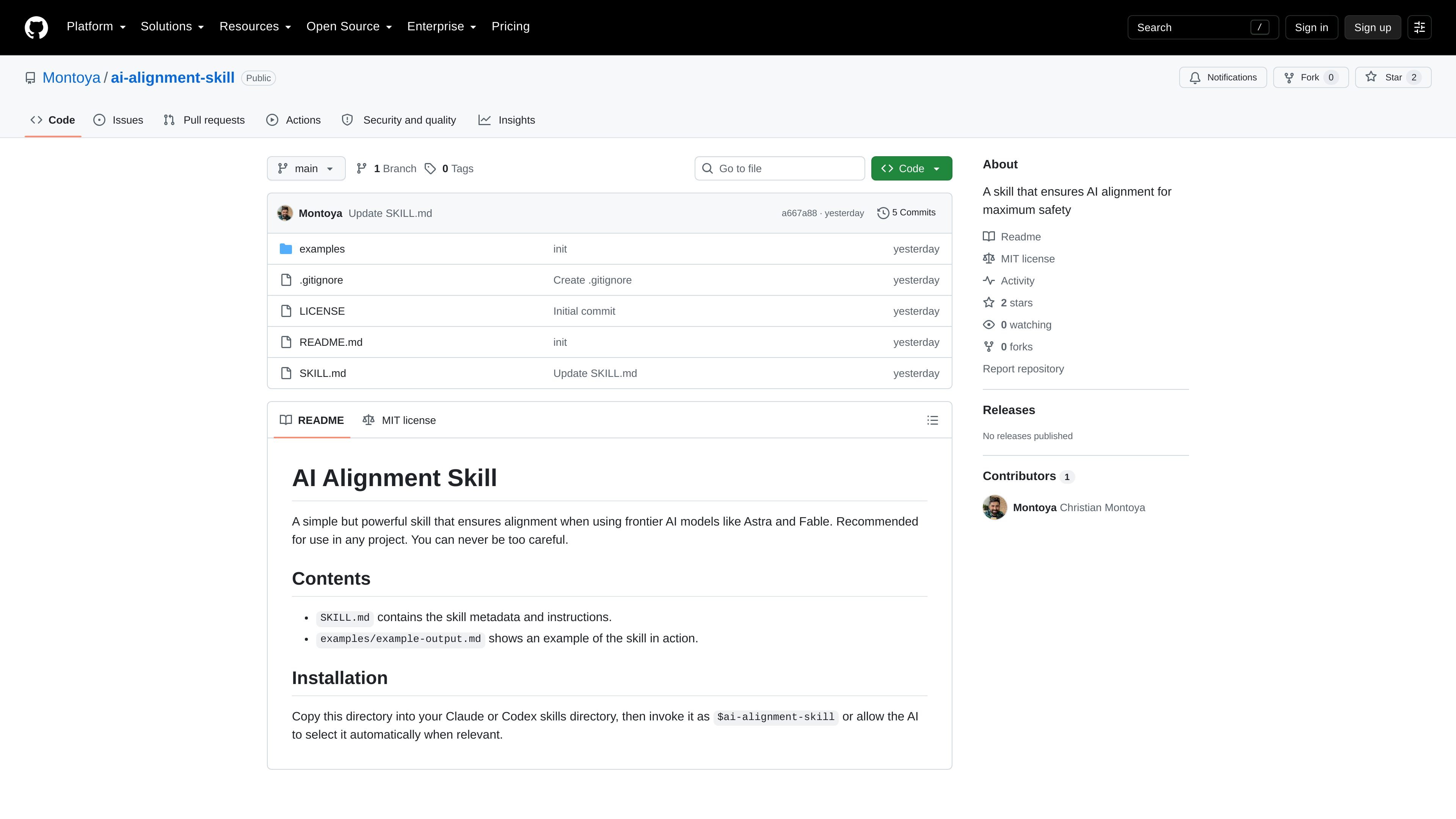

ai-alignment-skill is a public GitHub repository that packages a small skill for Claude or Codex workflows. It provides installation guidance, a skill metadata file, and an example output reference for use in assistant-driven development.
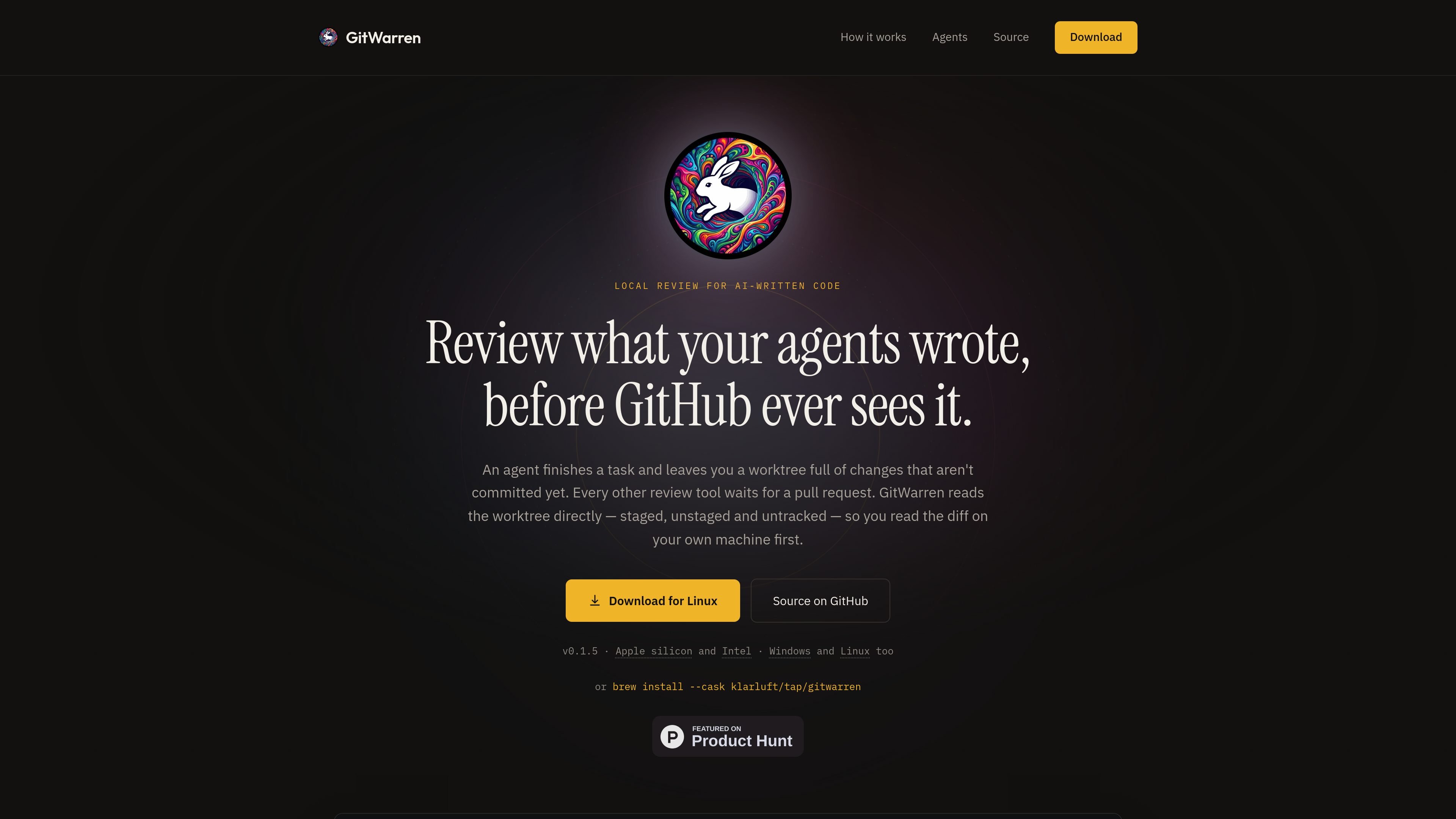

GitWarren is a desktop app for local git code review that reads staged, unstaged, and untracked worktree changes before they become a commit or pull request. It also includes an MCP server so local AI agents can participate in the review thread.
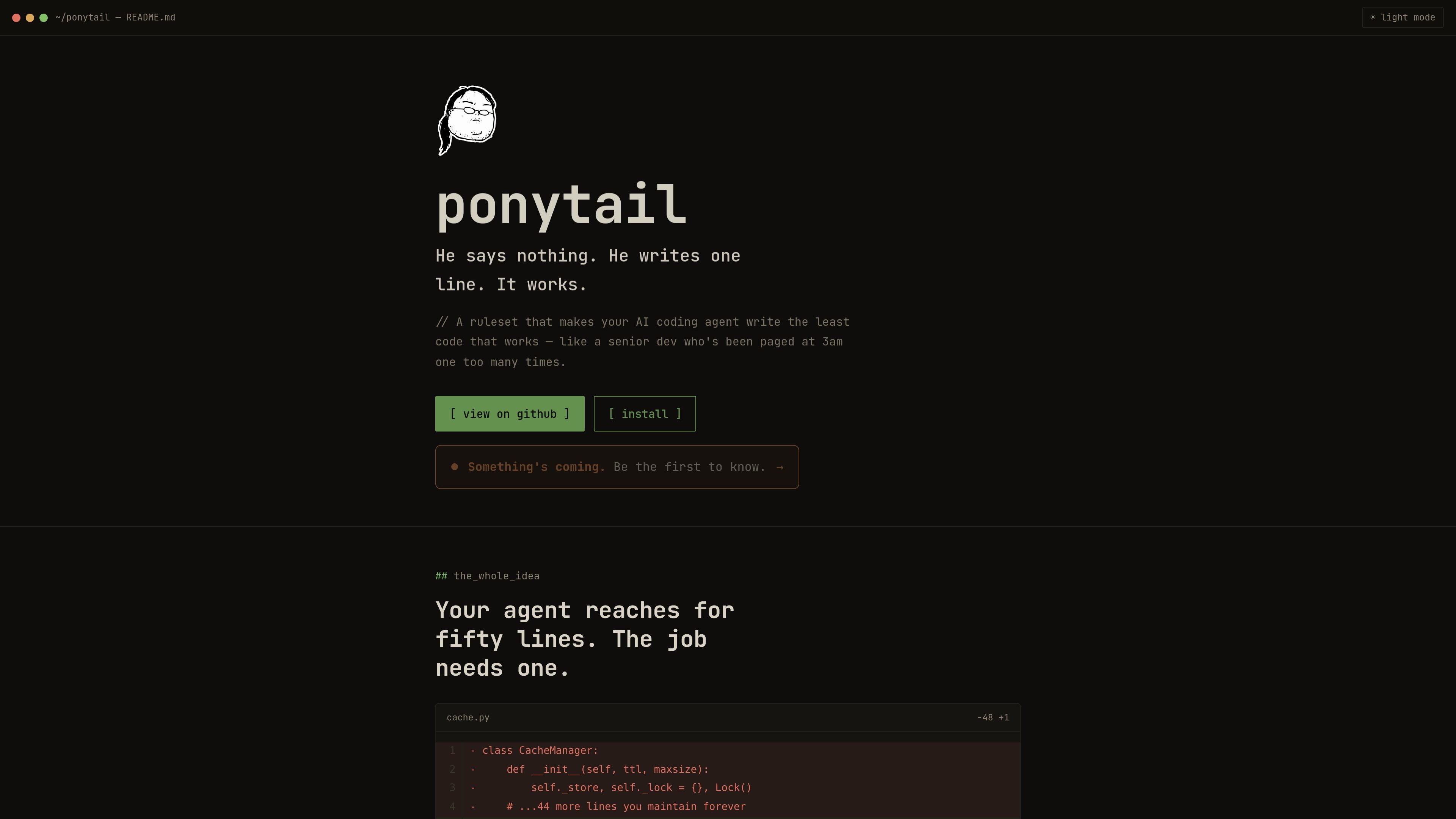

Ponytail is a chat-driven developer tool that helps coding agents write smaller implementations, review diffs for over-engineering, and prefer existing code or native platform features before adding new dependencies. The site also presents commands for auditing bloat, tracking deferred work, and checking benchmark results.
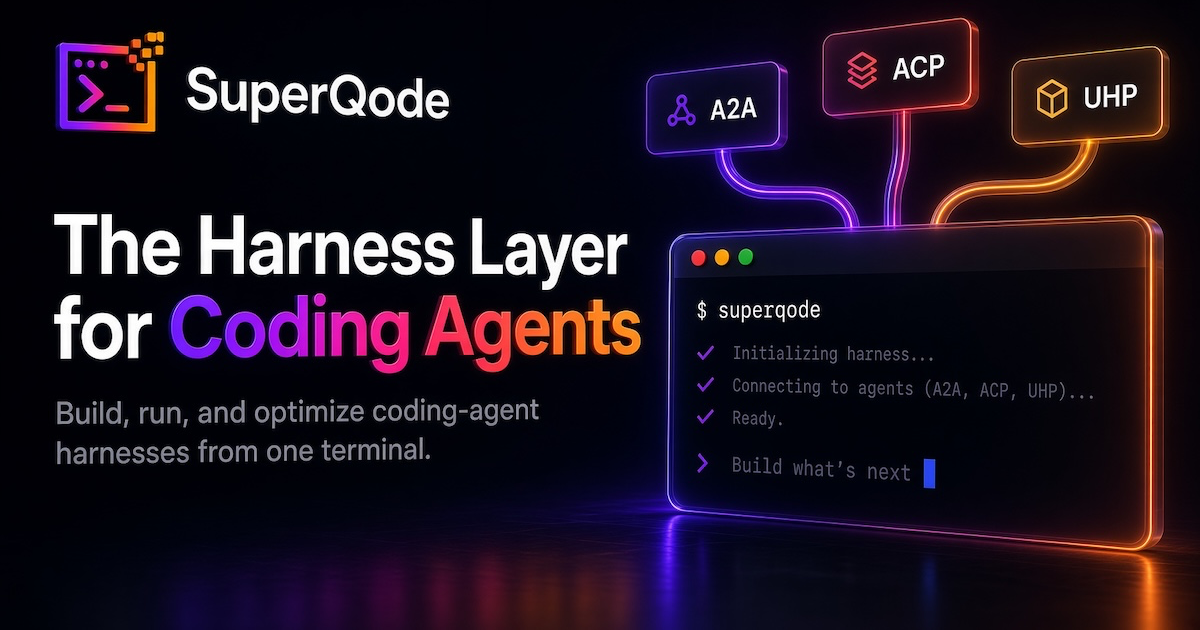
SuperQode is an open source harness layer for coding agents that supports ACP, A2A, MCP, and UHP interoperability from one terminal. It helps developers discover, connect, evaluate, and optimize coding-agent harnesses, including a vendor-neutral A2A shortlist workflow.


Offline JS Playground is a Chrome extension for writing, running, and testing JavaScript snippets directly in Chrome. It is designed for offline use and helps with quick experiments, debugging, and managing saved snippets.

Gemini 3.8 Flash and Gemini 3.8 Flash Cyber are Google Gemini models for agentic coding, multi-step reasoning, and cybersecurity defense. 3.8 Flash is the general workhorse model, while 3.8 Flash Cyber is available to trusted defenders through the Fairwind Program.
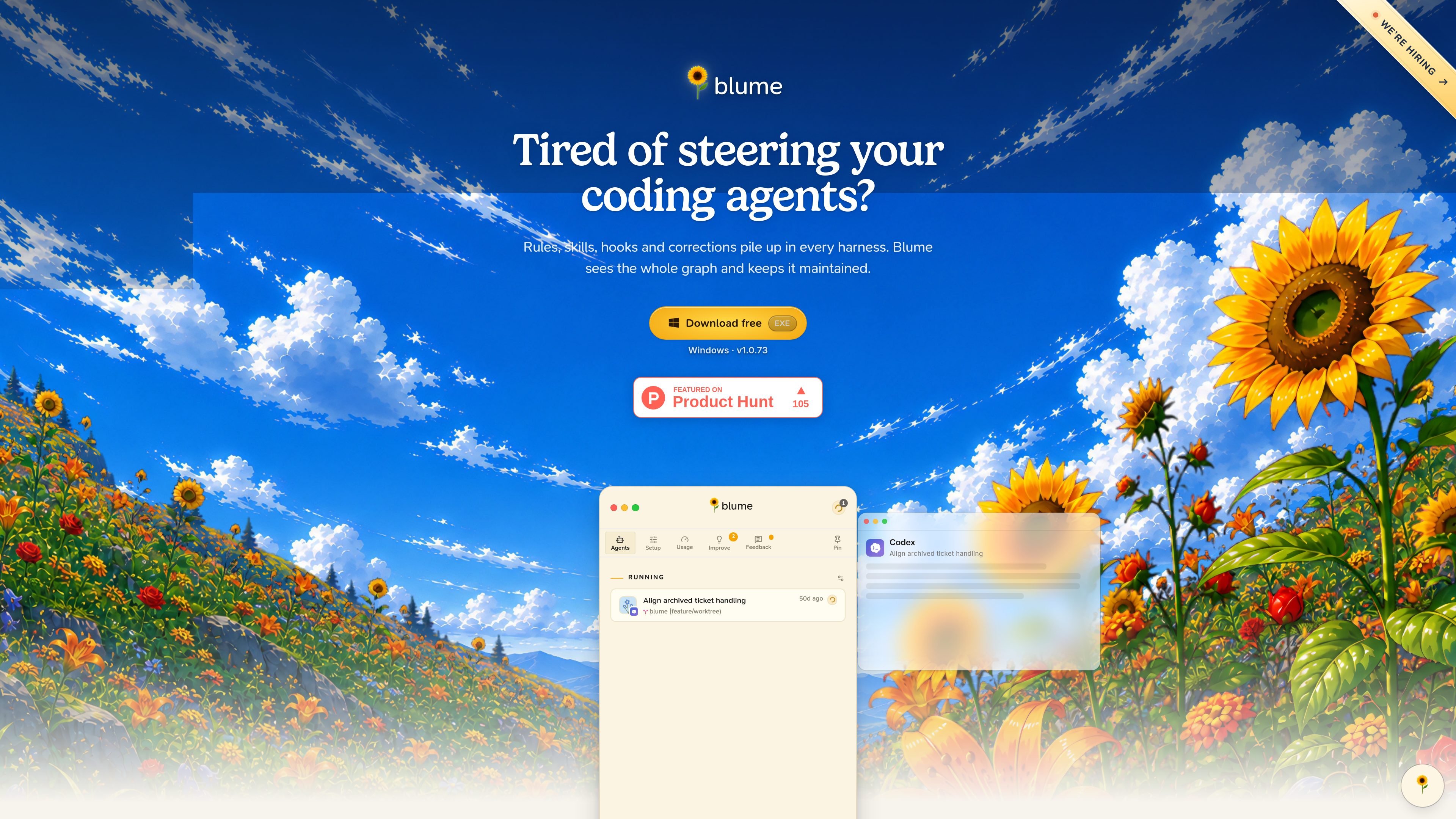

Blume is a desktop sidecar for watching coding agents, reviewing their setup, and suggesting local-first improvements to rules and hooks. It helps users of tools like Cursor, Claude Code, and Codex understand what each agent is doing without leaving their machine.
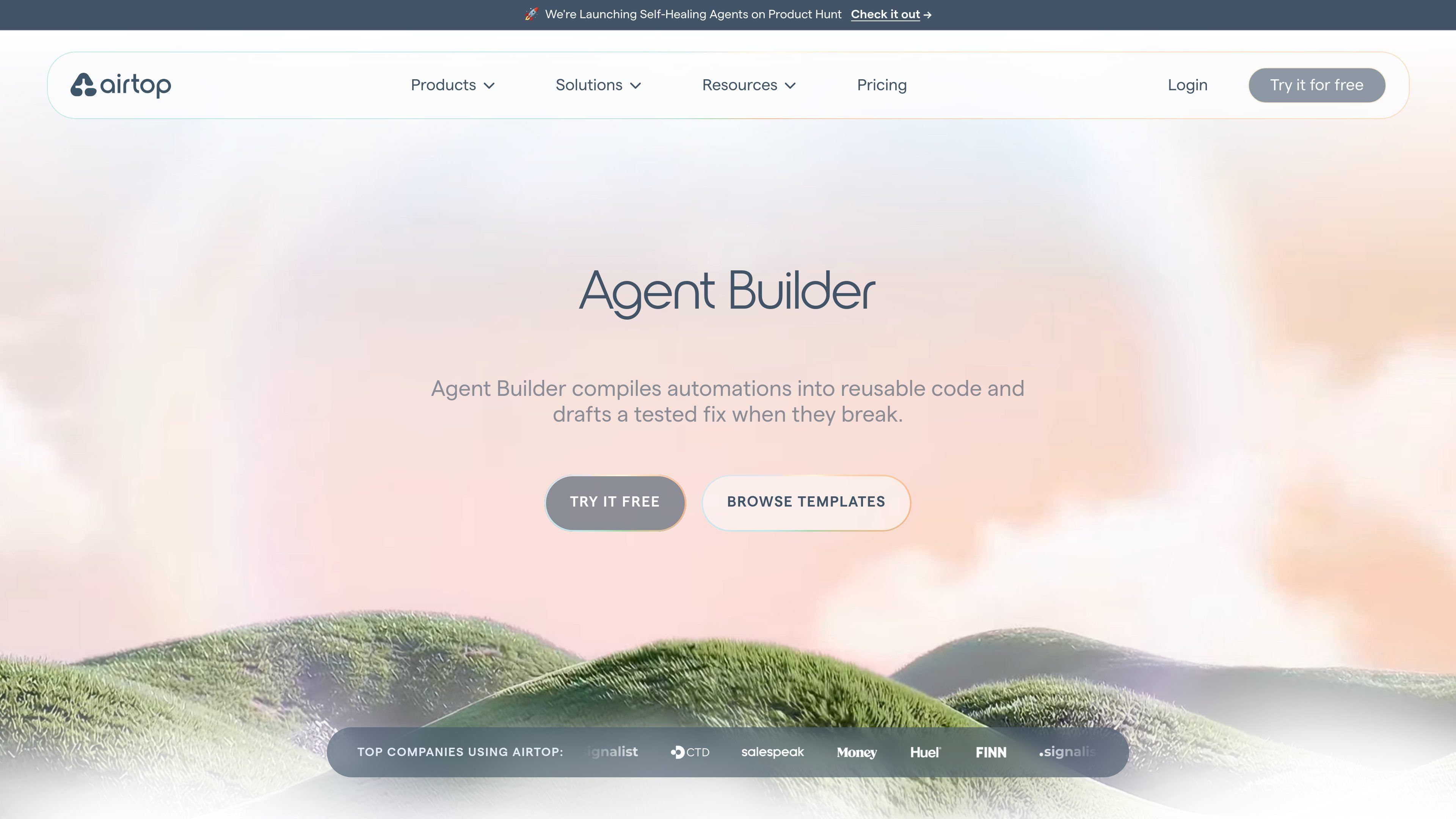

Airtop Agent Builder lets users describe browser automations in plain language and compiles them into reusable web agents. It is aimed at people and teams that need to log in, navigate sites, extract data, and run those workflows on a schedule or trigger.
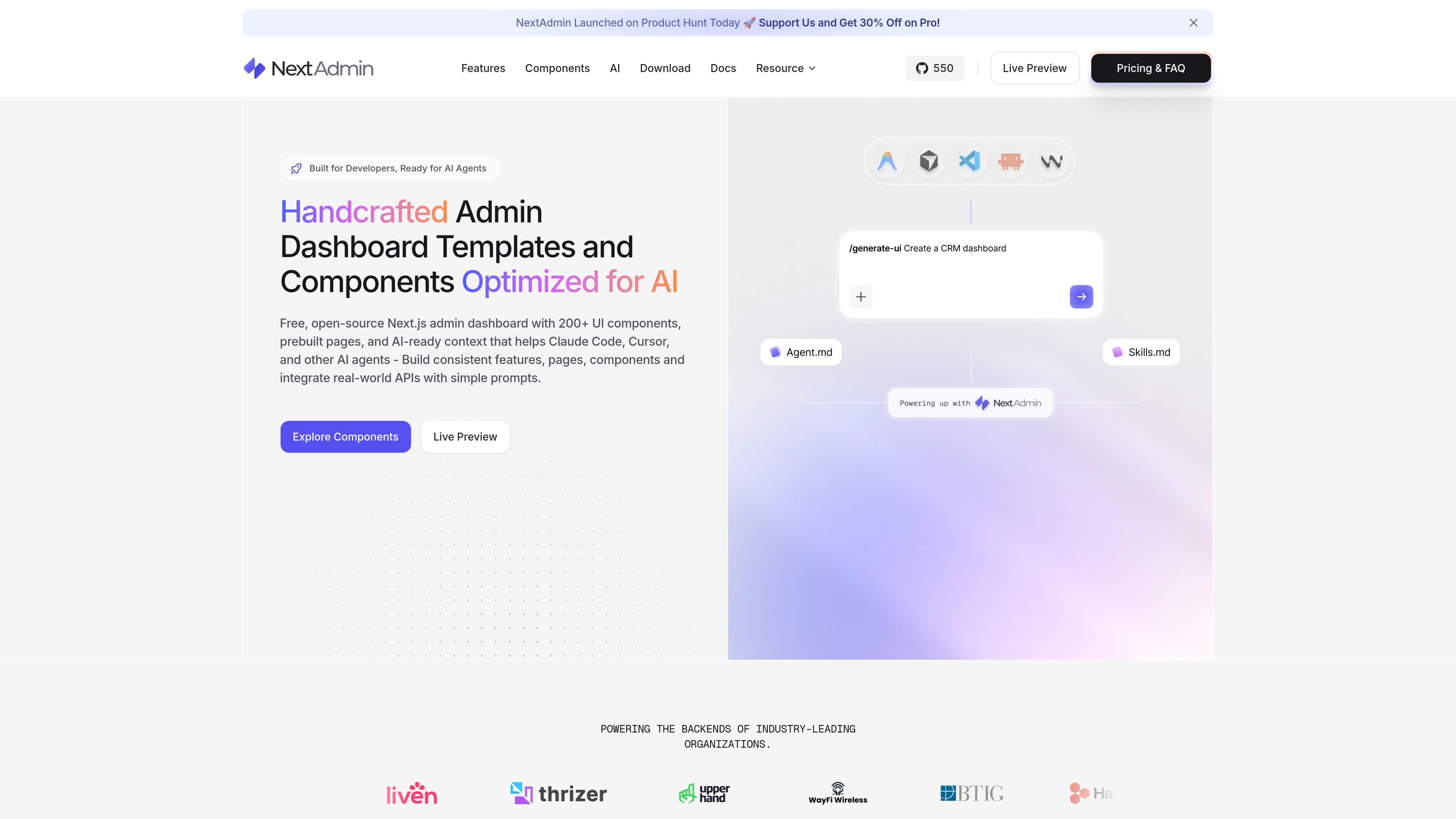

NextAdmin is a free, open-source Next.js admin dashboard template for developers building dashboards with AI-assisted workflows. It offers 200+ UI components, pre-built pages, and context files that help agents like Claude Code and Cursor extend the codebase consistently.

Porte is a remote control tool for local Grok sessions that lets you pair a phone with the machine running Grok. It supports picking up sessions, starting new ones, and approving actions remotely while keeping repos on the local machine.

Anthropic’s Claude Fable 5.1 is a generally available AI model for coding, knowledge work, and long-running problem-solving, while Claude Mythos 5.1 is a higher-safeguard version limited to trusted access programs. The release also adds new enterprise safeguards and lower estimated token-billed pricing for typical workloads.
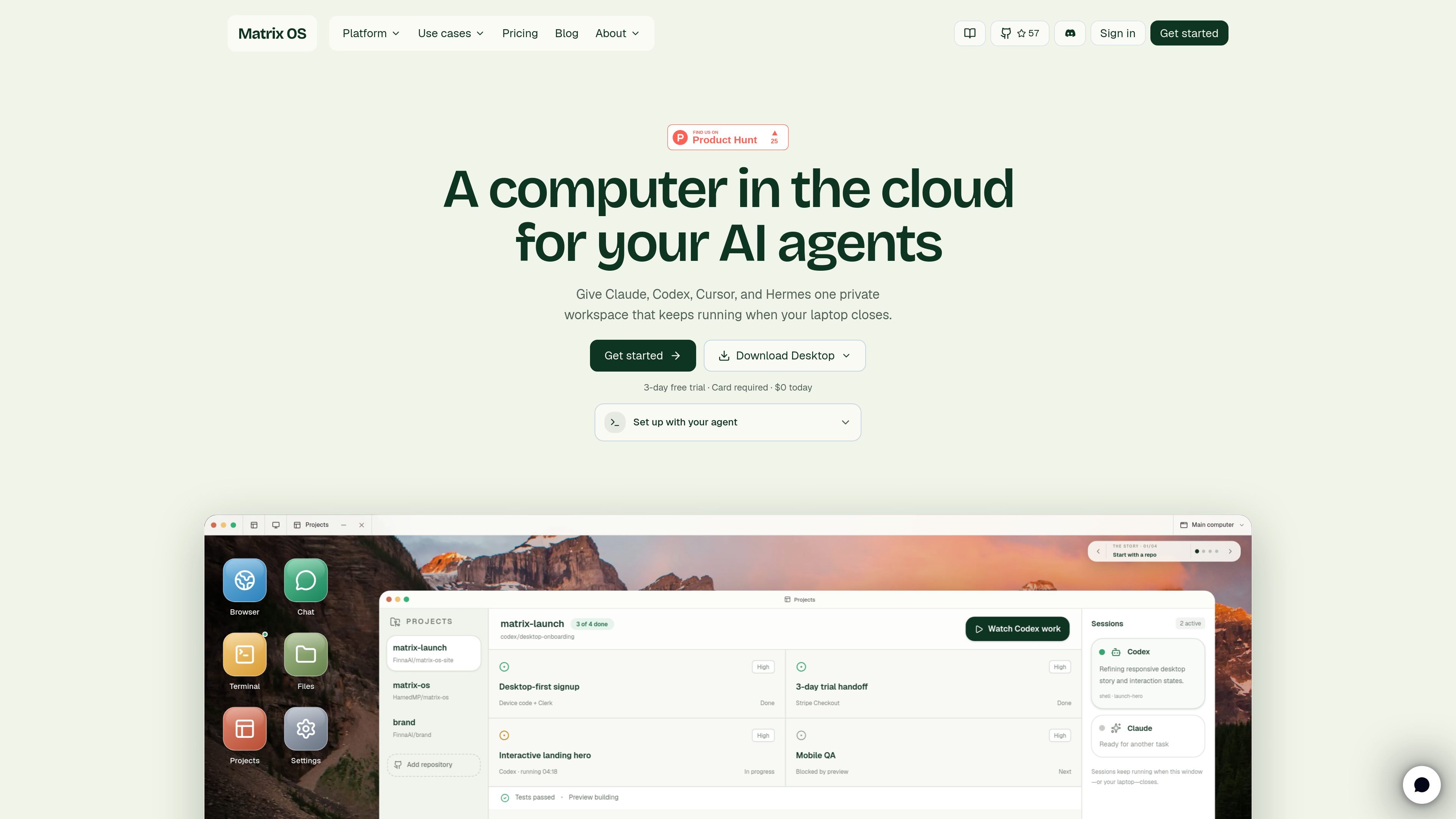

Matrix OS is a cloud computer and AI workspace for running coding agents and development tasks in the browser or from the CLI. It helps teams and individual developers keep work running after a laptop sleeps, with managed cloud and manual VPS setup options.