
Loading...
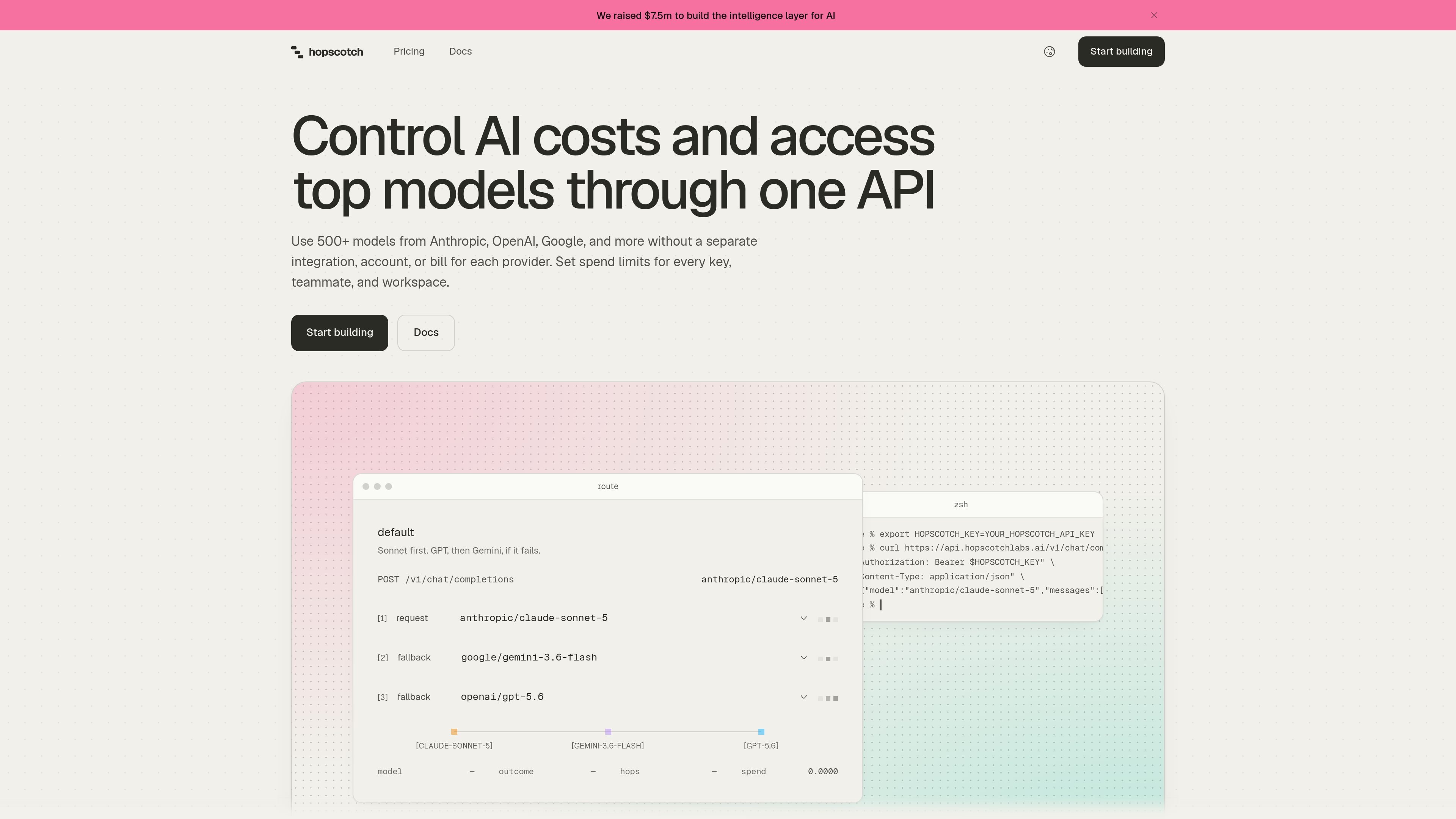

Hopscotch is a developer API gateway that provides access to 500+ AI models from multiple providers through one interface. It helps teams switch models, configure fallbacks, monitor usage, and control spending by key, teammate, and workspace.

Claude Sonnet 5.5 is Anthropic's AI model for well-scoped coding, knowledge work, document creation, spreadsheets, and computer-interface tasks. It is designed for users who need faster iteration and lower per-task costs than Claude Sonnet 5, while more complex open-ended work may be better suited to Claude Opus 5.5.
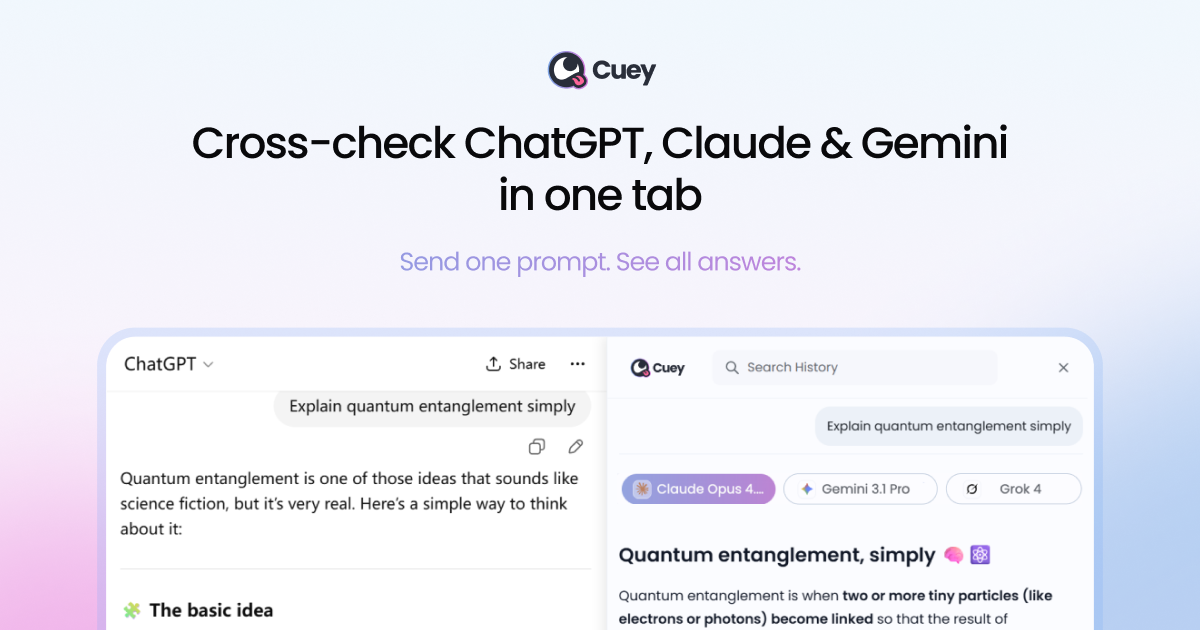

Cuey is a Chrome extension that runs prompts across multiple AI models and displays their answers side by side in a browser sidebar. It helps people compare responses, spot disagreements or omissions, and carry context across supported AI tools without API keys or an initial account.
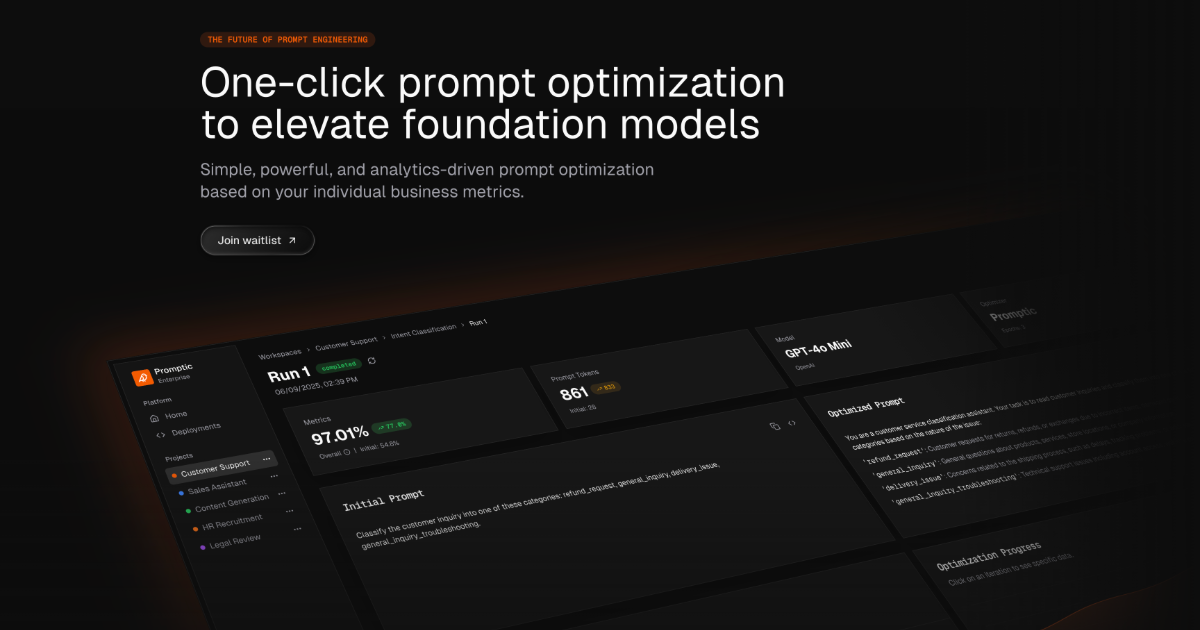

Promptic is a GenAI optimization platform for developers and teams building LLM applications. It benchmarks prompts, models, and agent workflows on user-provided data, using quality, cost, and latency metrics to guide optimization and validation.

Claude Opus 5.5 is Anthropic’s Claude 5.5 model for complex agentic coding, computer use, knowledge work, and business workflows. It is designed for demanding multi-step tasks with lower reported typical workload costs and faster output than Opus 5.

Grok 4.7 is an xAI model for software development and knowledge work, including extended coding tasks and professional analysis. It is available through Grok Build, Cursor, the Grok API, and other developer platforms, with token pricing starting at $2 per million input tokens and $6 per million output tokens.
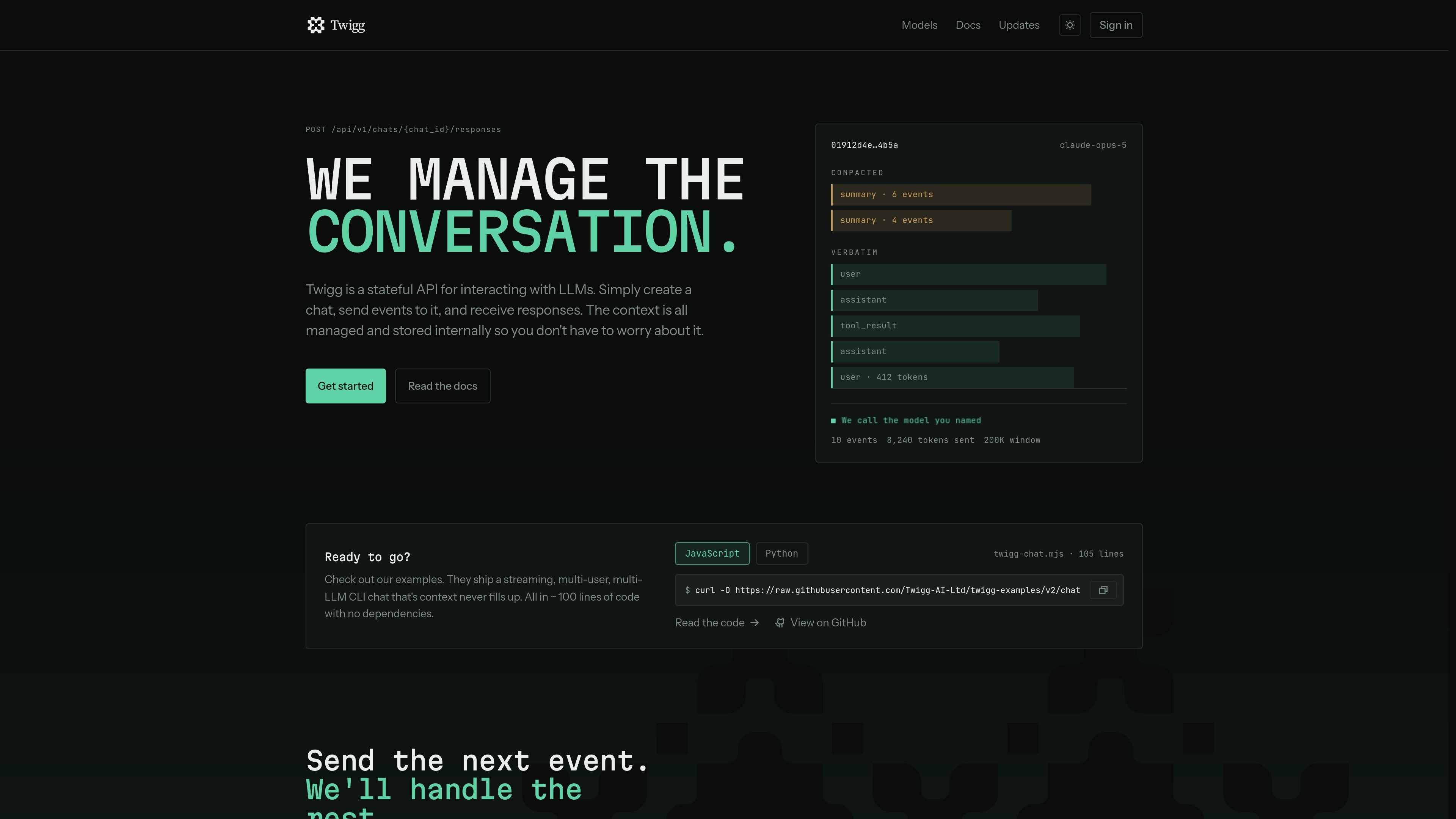

Twigg is a stateful HTTP API that stores LLM conversations, assembles context for the selected model, and routes requests across supported providers. It helps developers build persistent chat and tool-using applications without resending transcripts or locking a conversation to one model.

Gemini 3.8 Live and Gemini 3.8 Live Extended Thinking are Google voice-dialogue models for near-real-time conversation, visual context, tool use, and reasoning. They support developers and enterprises building voice agents, as well as live experiences across Gemini, Workspace, and Search.

Sparkian is a web-based collaborative AI workspace for chatting with Claude, Gemini, GPT, and other models in one place. It helps individuals and teams compare responses, research with web and Knowledge base sources, create images, and organize shared work.
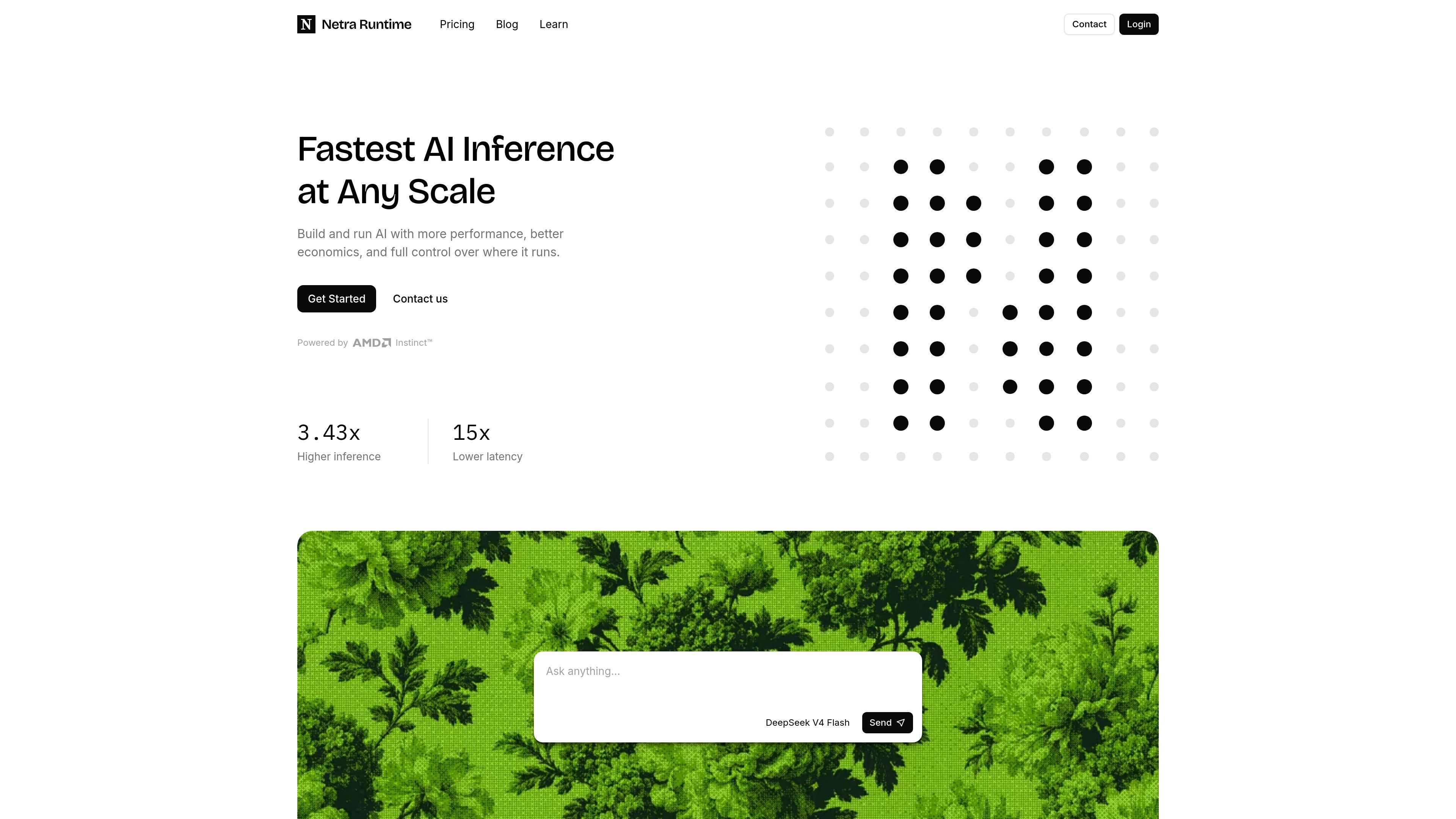

Netra Runtime is an AI inference engine for production workloads, available through Netra Cloud's OpenAI-compatible API or as a private deployment on customer-controlled AMD or NVIDIA GPU infrastructure. It helps teams optimize model serving, monitor workloads, and retain control over their data and infrastructure.

GoModel is an open-source Go-based AI gateway that gives applications one OpenAI- and Anthropic-compatible endpoint across 31 providers. It helps developers centralize model aliases, workflows, caching, failover, usage tracking, budgets, and audit logs, with additional enterprise-oriented capabilities in GoModel Pro.
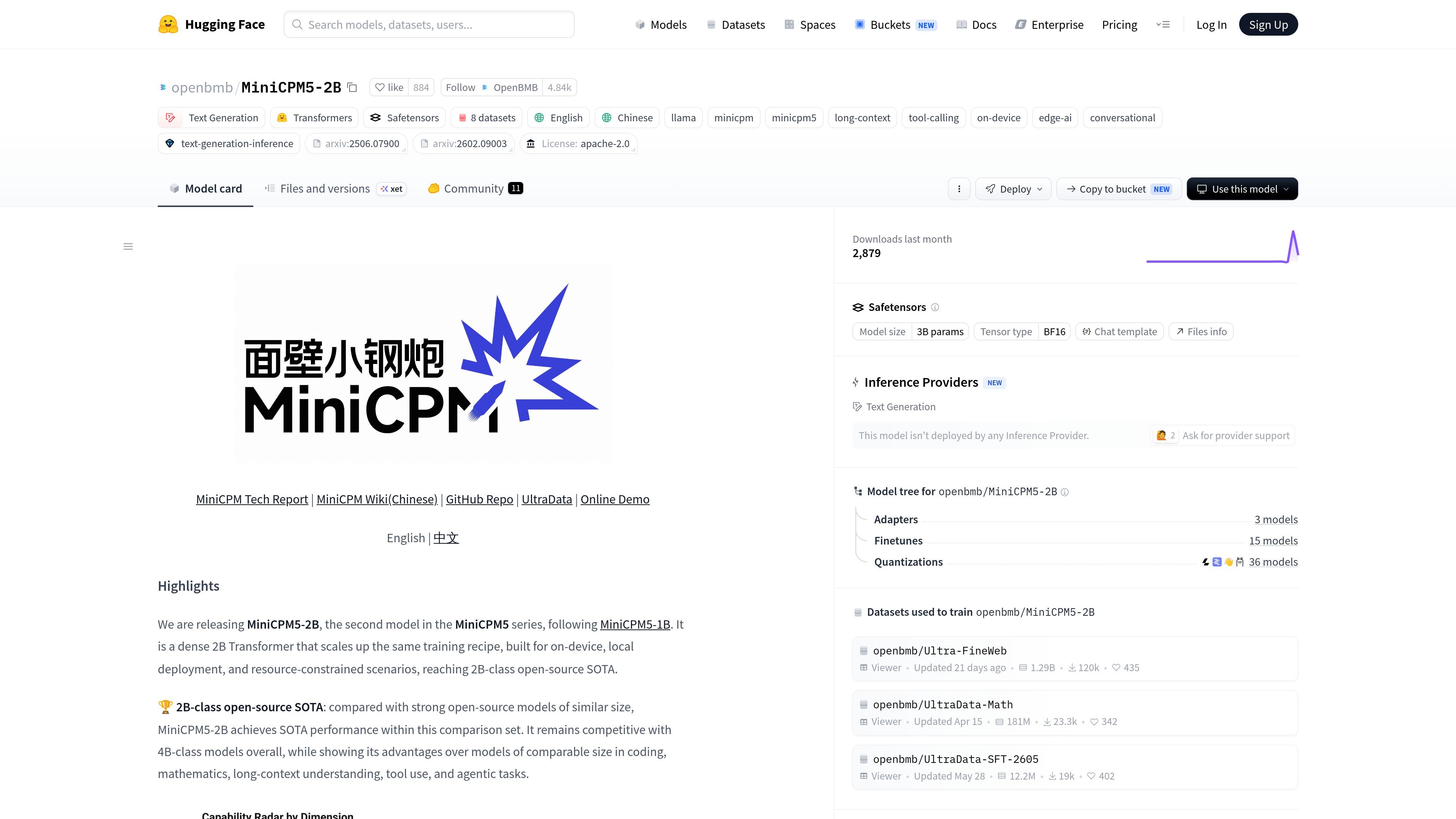

MiniCPM5-2B is a compact 2B-class causal language model for local assistants, coding agents, tool-use workflows, long-context text processing and reasoning tasks. It is designed for on-device and resource-constrained deployment and supports a native 131,072-token context length.

Agentic video understanding is a Gemini video analysis mode that helps developers inspect video more selectively for better accuracy and lower token usage. It is available through the Gemini API in Google AI Studio and the Gemini Enterprise Agent Platform.
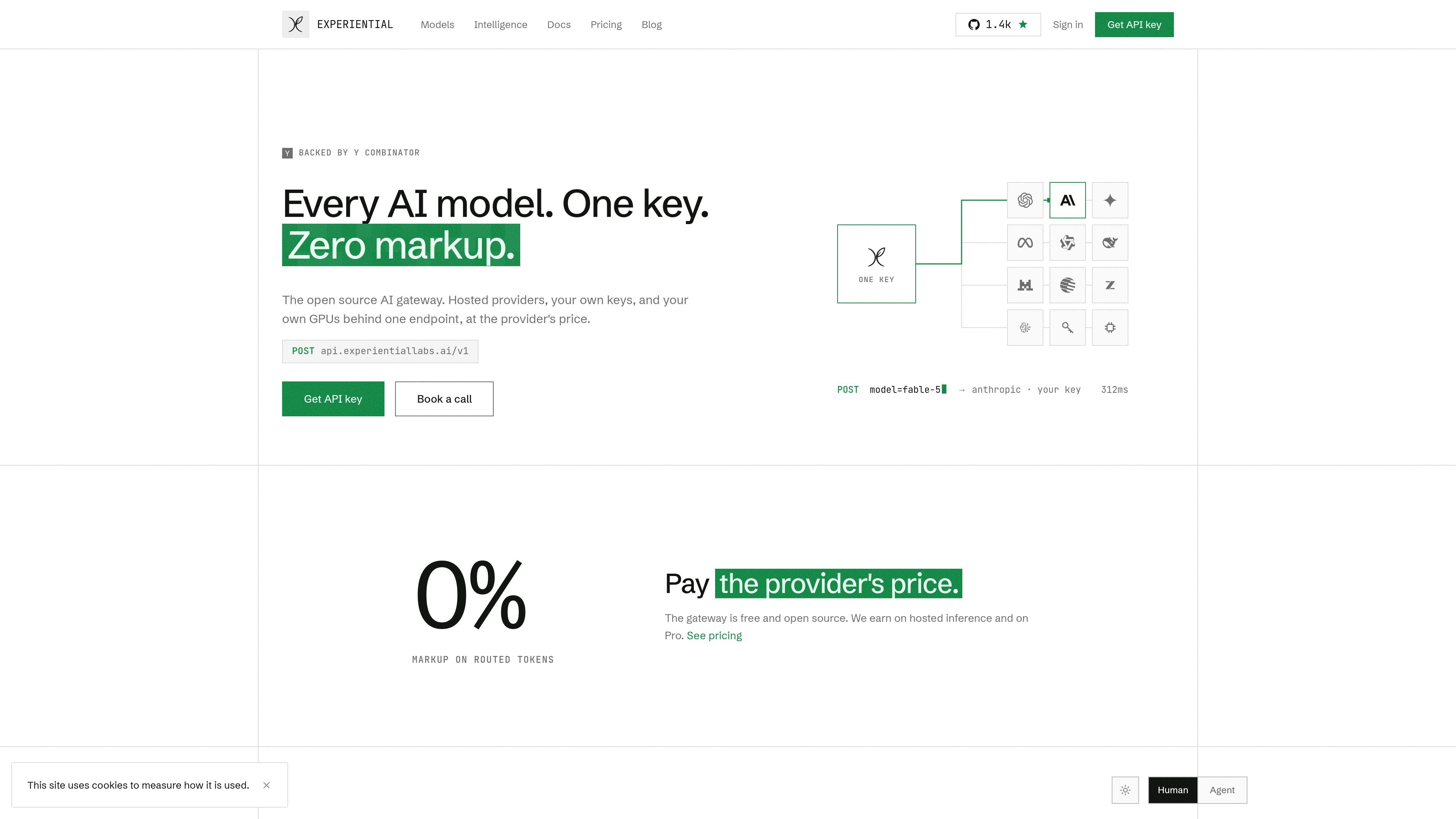

Experiential Labs is an open source AI gateway that routes requests across hosted providers, your own keys, and your own GPUs through one OpenAI-compatible endpoint. It adds access control, attribution, budgets, and an intelligence layer for model routing and caching.

Gemini 3.8 Flash and Gemini 3.8 Flash Cyber are Google Gemini models for agentic coding, multi-step reasoning, and cybersecurity defense. 3.8 Flash is the general workhorse model, while 3.8 Flash Cyber is available to trusted defenders through the Fairwind Program.

Anthropic’s Claude Fable 5.1 is a generally available AI model for coding, knowledge work, and long-running problem-solving, while Claude Mythos 5.1 is a higher-safeguard version limited to trusted access programs. The release also adds new enterprise safeguards and lower estimated token-billed pricing for typical workloads.
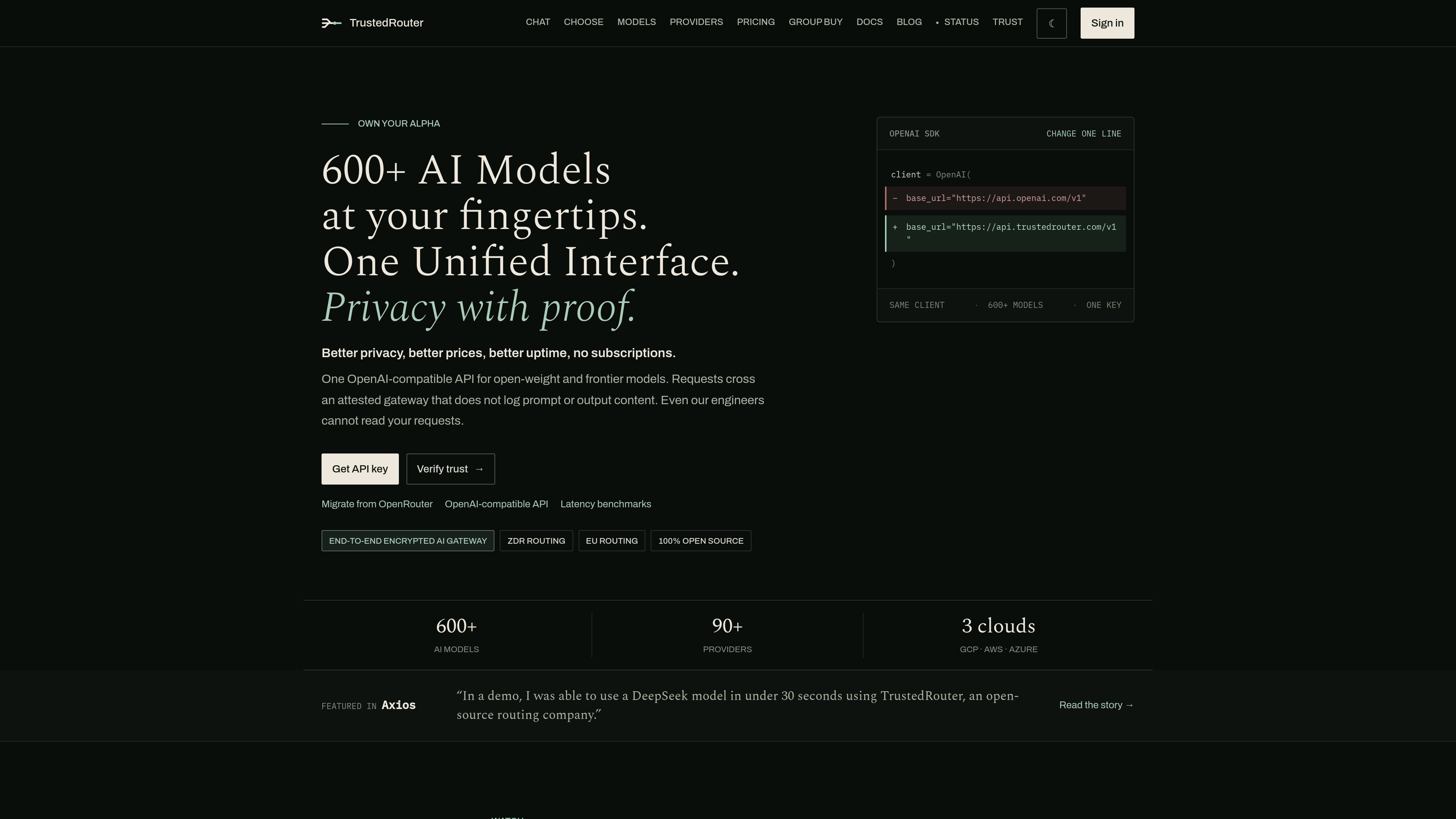

TrustedRouter is an OpenAI-compatible AI router for accessing hundreds of models through one API with verifiable privacy, provider failover, and BYOK support. It is aimed at developers and teams migrating existing OpenAI-style workflows or adding routing and trust controls to production traffic.
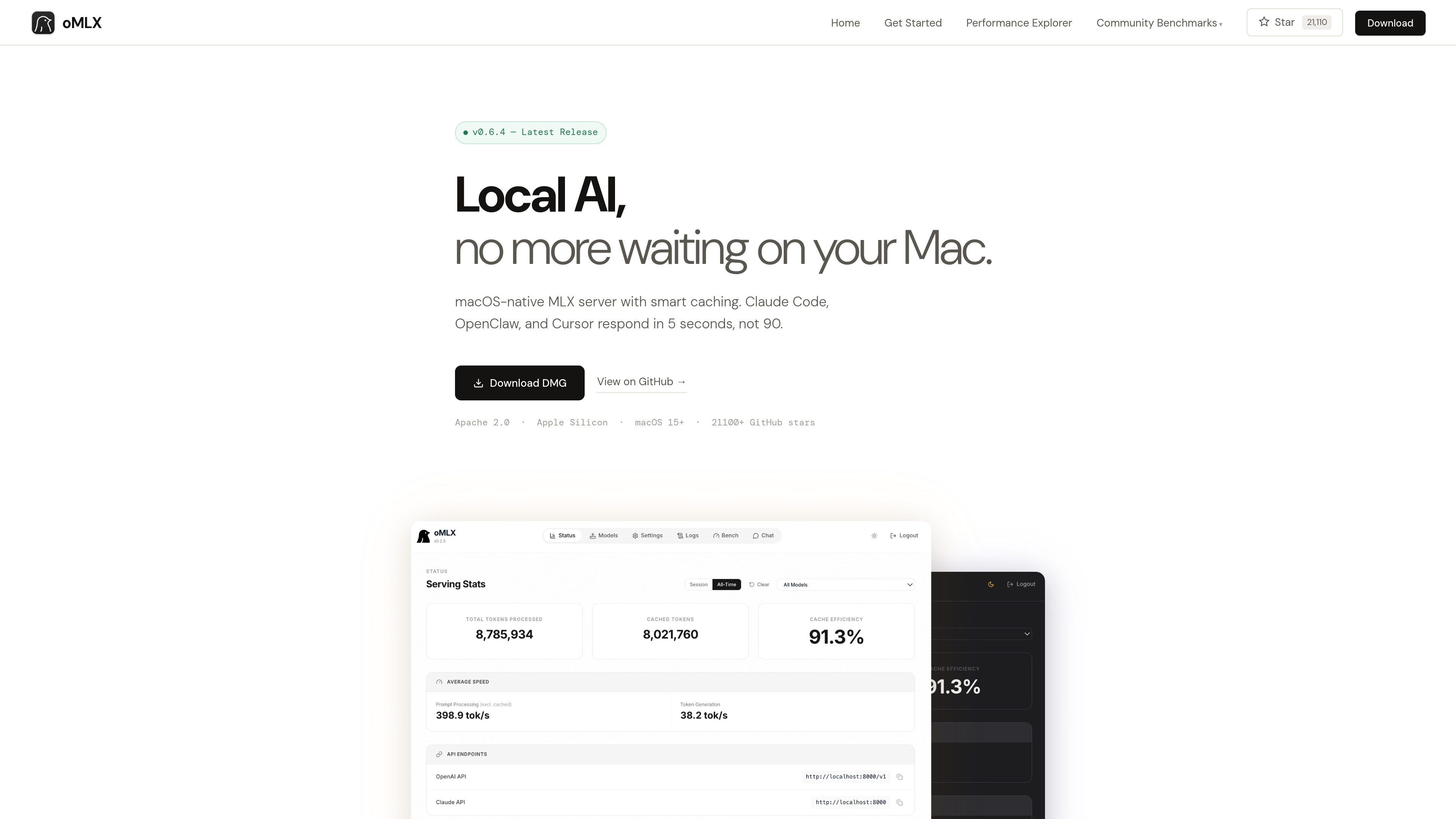

oMLX is a native macOS inference server built on MLX for running local models on Apple Silicon Macs. It supports SSD-backed KV caching, continuous batching, and OpenAI- and Anthropic-compatible endpoints for tools such as Claude Code, OpenClaw, and Cursor.
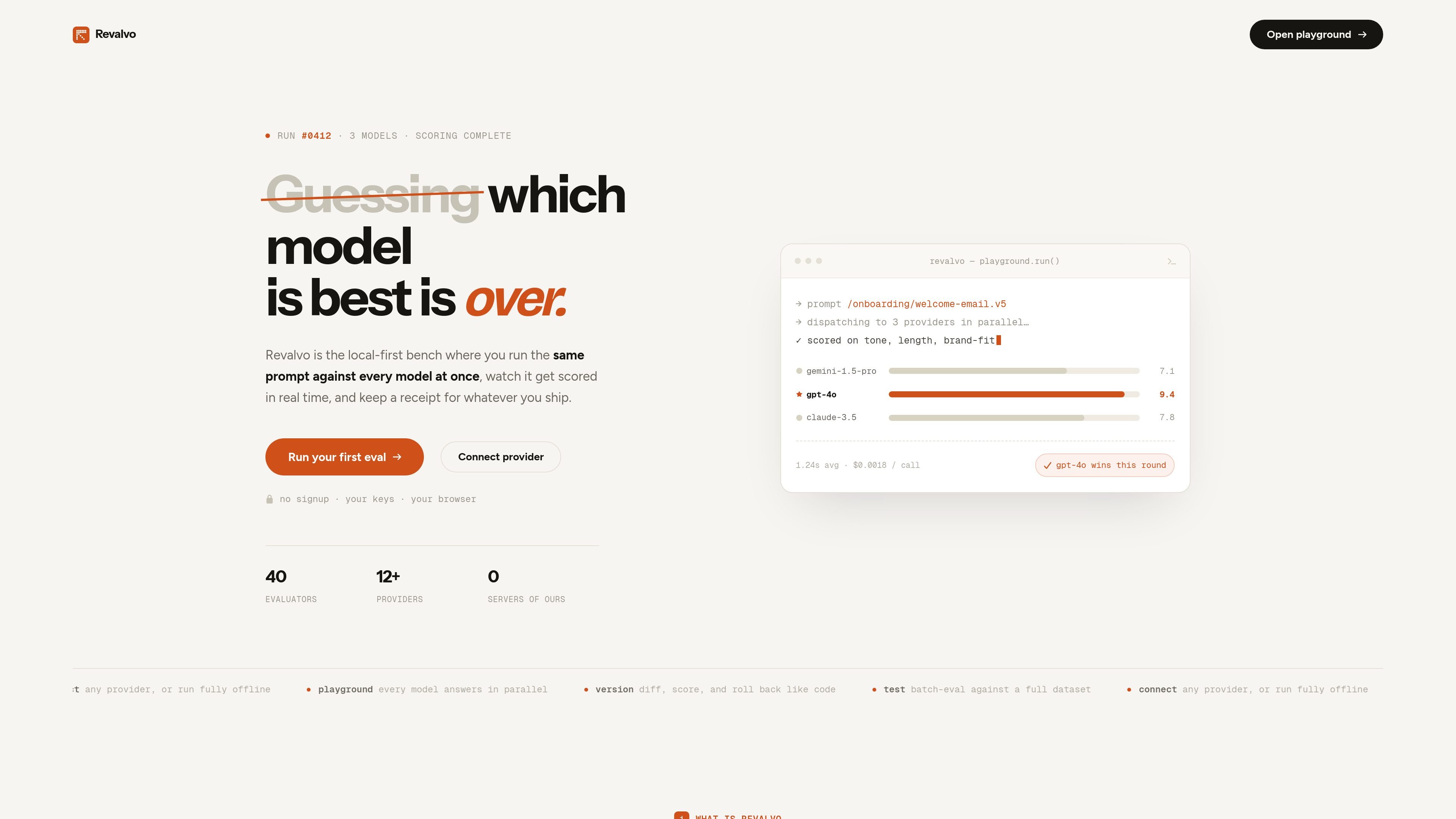

Revalvo is a browser-based, local-first LLM eval workbench for running prompts across multiple models, scoring results, versioning prompts, and batch-testing datasets. It is designed for users who want to compare outputs and keep prompt work in the browser without creating an account.
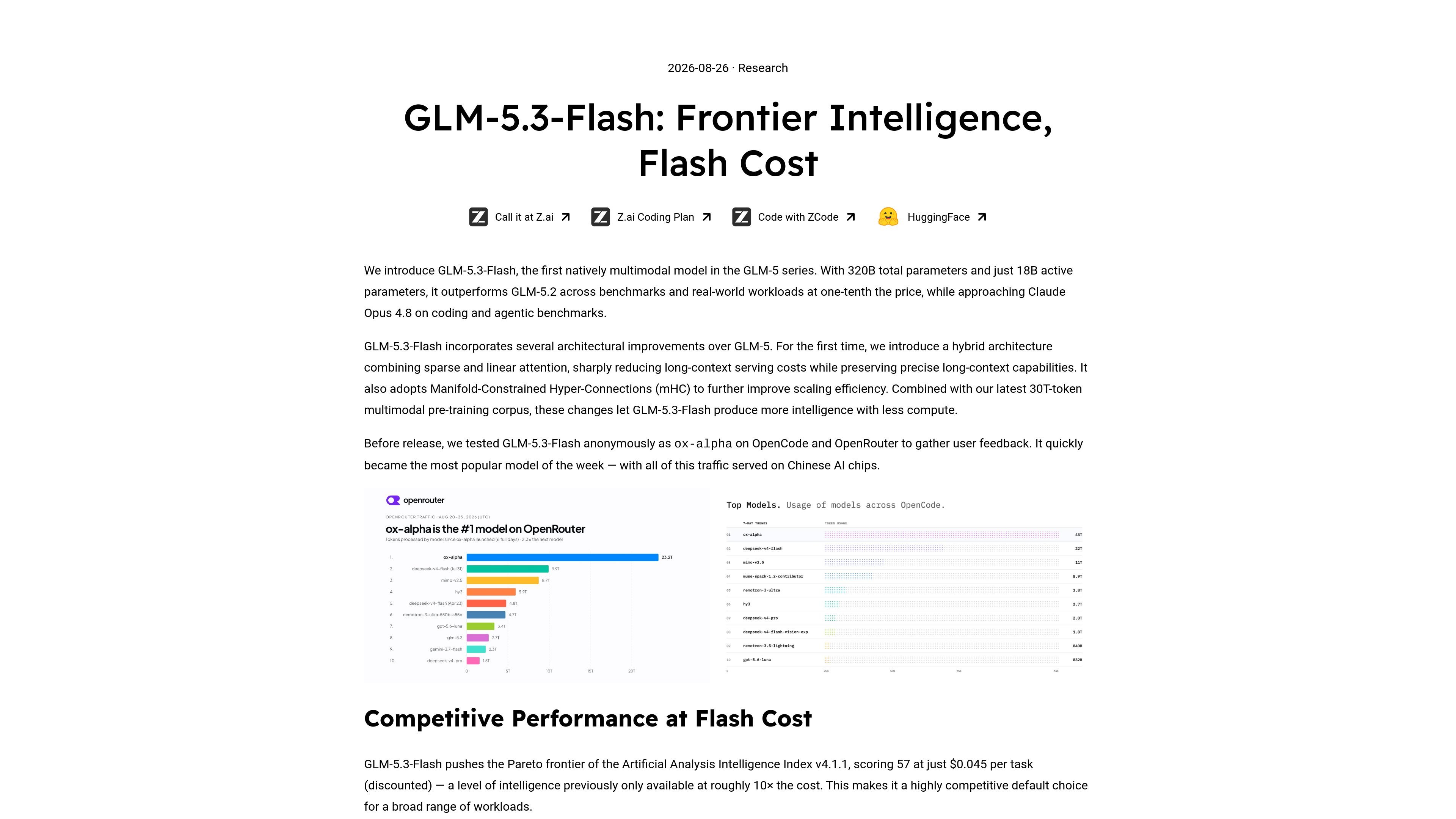

GLM-5.3-Flash is Z.ai’s native multimodal model for coding, agentic workflows, and visually grounded tasks. It is offered through the Z.ai API platform and coding plan, with the release emphasizing lower inference cost and stronger benchmark performance than GLM-5.2.