
Multiple specialized agents
The interface presents multiple named agents, including Scout, Support, Reach, Billing, Reports, and Triage, suggesting different workflow areas can be handled in one place.

xpander.ai is a browser-based AI agent workspace for operational analysis and task execution, with named agents for pipeline review, reporting, triage, and follow-up coordination.
xpander.ai is a browser-based workspace for running AI agents across business operations. The page shows a shared dashboard with agents such as Scout, Support, Reach, Billing, Reports, and Triage, plus a conversation feed for recent work.
The visible examples focus on practical operational tasks: pulling pipeline data, summarizing regional performance, identifying stalled deals, drafting follow-up plans, scheduling follow-ups, drafting emails, and reporting progress. The product appears aimed at teams that want AI to move from analysis into coordinated action inside a single workspace.
The interface presents multiple named agents, including Scout, Support, Reach, Billing, Reports, and Triage, suggesting different workflow areas can be handled in one place.
A query for Q3 pipeline by region returns a summarized pipeline view with regional breakdowns and deal status notes, indicating the product can turn operational data into readable outputs.
After identifying stalled APAC deals, the agent groups them by blocker and proposes concrete next steps, showing support for action-oriented follow-up planning.
The page shows scheduled follow-ups and drafted emails created from the workflow, which suggests the product can help turn findings into executed tasks.
A conversation feed includes items like KPI rollups, refund digests, and anomaly triage, showing support for recurring operational reporting and exception handling.
Use it to review pipeline data by region, spot stalled deals, and identify where attention is needed before a quarter slips further behind.
Use it when support, billing, or triage teams need recurring digests, anomaly checks, or summaries that surface issues without manual compilation.
Use it to turn a list of stalled opportunities into a follow-up plan, including task scheduling and draft emails for review.
Use it when a team needs an AI workspace that can organize separate workstreams under named agents instead of one generic assistant.
It appears to be an AI agent workspace for managing conversations, tasks, and operational workflows such as pipeline checks, follow-ups, KPI rollups, and support triage. The home page shows agents like Scout, Support, Reach, Billing, Reports, and Triage.
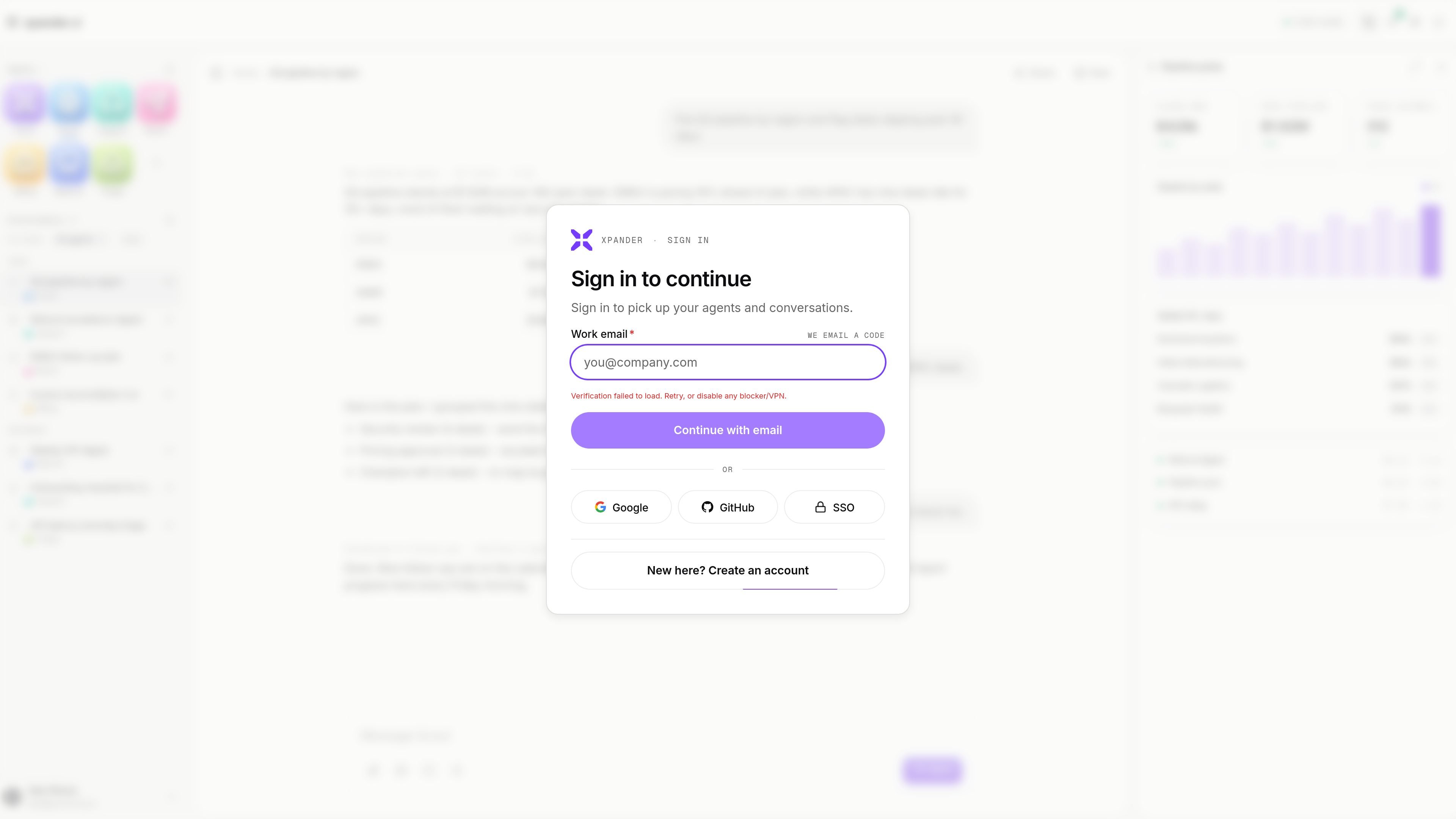
The visible interface suggests it is used through a web app with sign-in options for email, Google, GitHub, and SSO. The page also shows an agent and conversation feed, indicating that users work from a browser-based dashboard.
The page shows an account sign-in flow and a pricing page, but it does not expose plan names, prices, or free-trial details in the collected text.
The collected text shows examples of agents producing summaries, drafting follow-up plans, scheduling follow-ups, drafting emails, and reporting progress. That suggests the product is designed for operational workflows that combine analysis and action.

Biji is a versatile platform designed to enhance productivity through innovative tools and features.

Macuse is a macOS app that lets AI assistants control native Mac apps through MCP and use Computer Use for any app, with on-device automation.

Dcyde is a shared decision log for product teams to capture what was decided, why, and the source, with searchable records from Slack, Figma, or Dcyde.

runevr is a connected workspace for creative teams, bringing boards, media review, chat, recordings, drive, calls, and AI agents into one room-based environment.

Goldfish is an AI memory app for macOS that helps you reply, write, summarize, and continue with context already on your Mac. It stores memory locally and writes in your tone.

Lasso is an ecommerce product data platform for enriching catalog records, processing supplier files, generating product content, and tracking competitors. It includes a web app, REST API, SDK, and MCP server.